


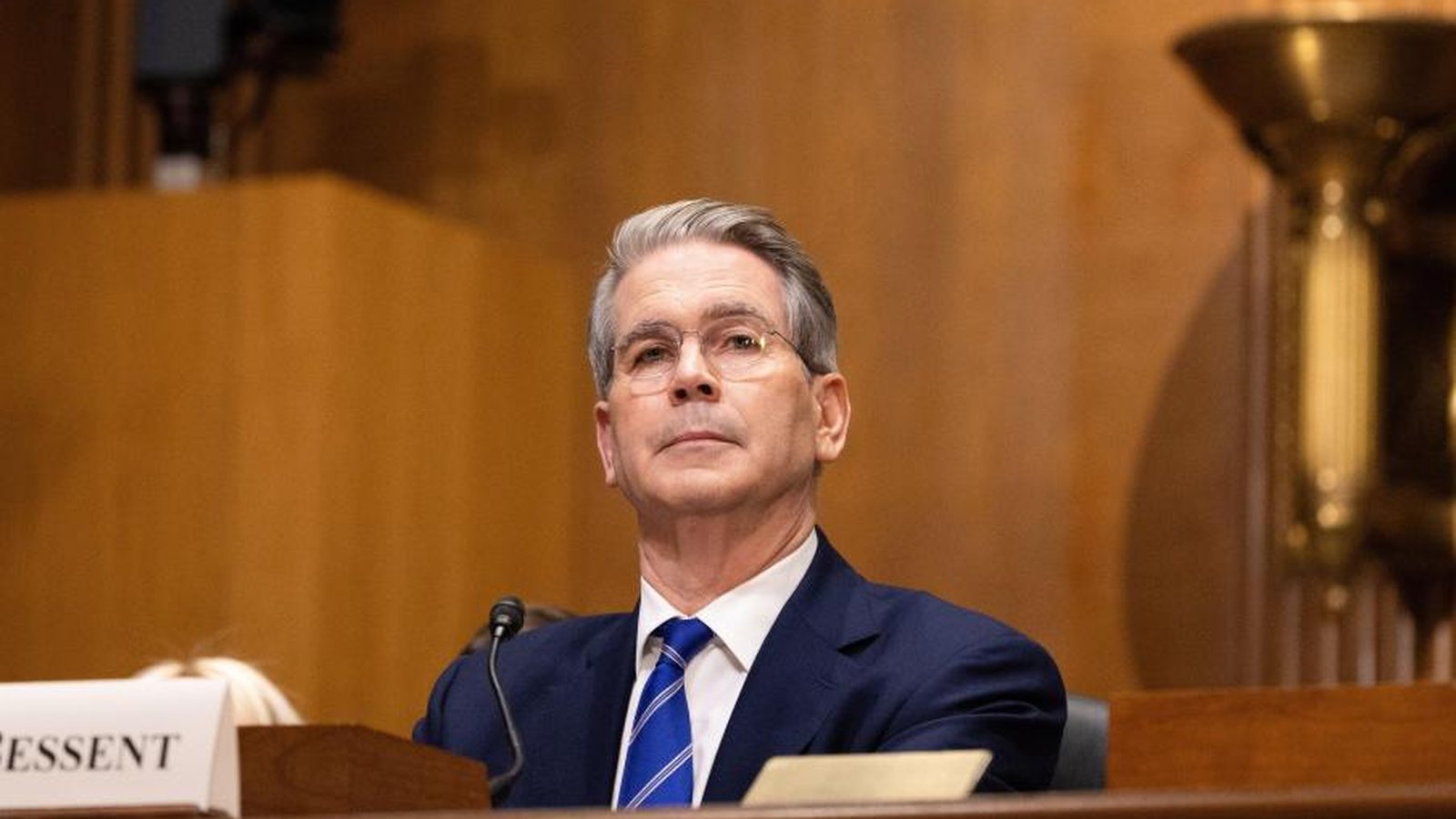
Bessent Urges Outside Leadership and Probes Into Compliance
U.S. Treasury Secretary Scott Bessent called for a dramatic shakeup at Nvidia in a Sunday interview on CNBC, urging the chipmaker’s board to look outside the company for its next chief executive. The public rebuke follows the Thursday resignation of longtime CEO Jensen Huang amid federal investigations into suspected illicit AI chip sales to China through Singapore-based Megaspeed. Bessent questioned whether Nvidia pursued illicit sales to artificially boost revenues and suggested that other executives should face regulatory scrutiny over export control compliance.
Speaking on Fox News, Bessent drew a sharp parallel to traditional financial institutions. “If this were a bank and they hadn’t complied like this, the OCC would be in there right now, and a lot of the executives would be removed,” Bessent said, referring to the Office of the Comptroller of the Currency. Nvidia named Chief Financial Officer Colette Kress interim CEO following Huang’s departure, but the Treasury secretary argued that the company’s governance and reporting practices require a thorough external cleansing.
Financial Disclosures and Accounting Shifts Under Scrutiny
Beyond executive accountability, Bessent challenged Nvidia’s financial transparency, highlighting a sharp surge in reported Singapore revenue as direct China sales fell under mounting export restrictions. Nvidia stopped separately reporting Singapore revenue in November 2025, maintaining at the time that a new methodology based on customers’ headquarters rather than billing addresses provided a more accurate geographic distribution of its sales.
The Treasury secretary’s criticisms underscore deep policy friction within the administration. Two days prior to his Sunday remarks, Bessent told CNBC’s “Squawk Box” that multiple federal agencies had supported adding Megaspeed to the government export blacklist for months, but noted that “Commerce has the pen.” This public disagreement highlights an ongoing feud between Bessent and Commerce Secretary Howard Lutnick regarding export enforcement and suspected diversion channels to China.
Cabinet Friction and High-Stakes Policy Context
The leadership crisis unfolds against a backdrop of intense administrative tension. Axios reported that Bessent confronted Lutnick in the White House Situation Room over the Commerce Department’s delayed action against Megaspeed, though Commerce denied the confrontation occurred. Meanwhile, Lutnick faces separate scrutiny regarding family financial ties, as CNBC reported that Cantor Fitzgerald—the Wall Street firm formerly run by Lutnick and currently led by his sons—helped arrange billions in financing for Nvidia business partners. Cantor stated that Nvidia share holdings fell nearly 50% over six months amid escalating national security concerns, emphasizing that these positions involved client swap transactions rather than proprietary investments, with no evidence of sensitive information sharing.
Despite the mounting friction, a White House official told Reuters on Thursday that President Donald Trump maintains “complete confidence” in Lutnick. Both Bessent and Lutnick are expected to accompany Trump to China, putting the two Cabinet secretaries alongside the president as he prepares to meet with Chinese President Xi Jinping and Russian President Vladimir Putin on the sidelines of the APEC summit. Bessent noted Sunday that Trump maintains a firm line against sales of chips more advanced than Nvidia’s H200 to China, following an arrangement authorized in December allowing H200 sales to approved customers in exchange for a 25% U.S. government cut. These regulatory and governance clashes converge as Nvidia prepares to report its quarterly earnings.