


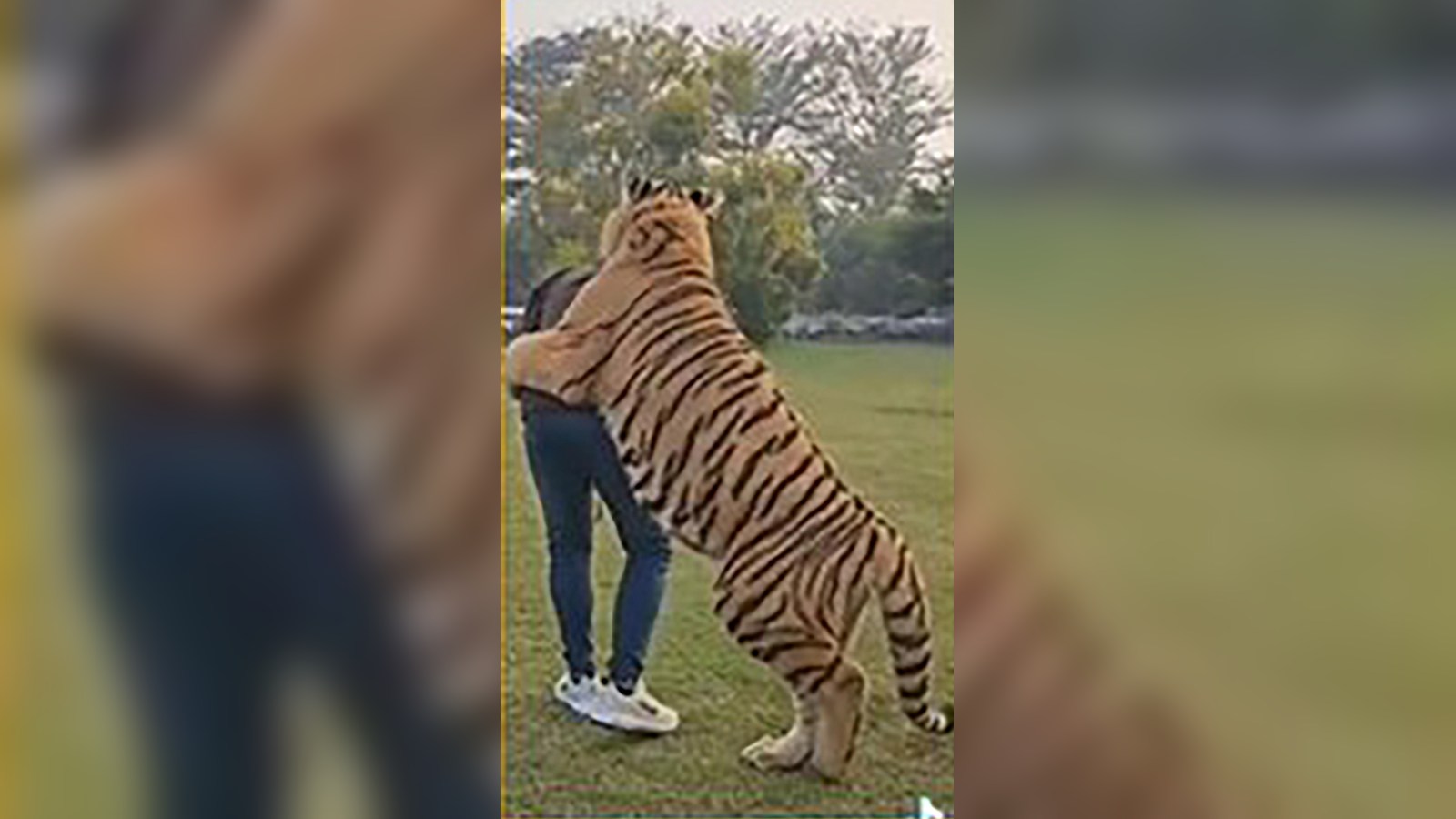
Arrests Follow Fatal Tiger Attack at Private Breeding Farm
LAHORE (New York Post) – A 19-year-old farm employee identified as Talha was mauled to death by a captive tiger on Wednesday during a video shoot on a private breeding farm in Lahore, Pakistan, according to police statements and reports. The victim had been assisting social media influencer Noman Hassan, who commands millions of followers across TikTok and Instagram for posting clips of himself engaging in close contact and rough play with big cats.
According to a criminal complaint detailed by law enforcement, Hassan allegedly instructed Talha to take the female big cat out of its enclosure prior to the fatal attack. Following the mauling, the influencer transported the injured teenager to a hospital, where he attempted to convince attending medical staff that the victim had sustained injuries from a dog attack rather than a captive wild animal.
Lahore Police subsequently arrested both Hassan and the farm owner, identified as Fayyaz, in connection withacidade and the subsequent cover-up attempt. Authorities emphasized that public safety and accountability must override social media engagement. A Lahore police spokesperson stated that a passion for digital platforms cannot supersede human life, adding that no individual is permitted to jeopardize human safety in the pursuit of entertainment or hobbies.
Legal Framework and Regulatory Scrutiny in Pakistan
The incident has re-ignited scrutiny over the legal private ownership of exotic wildlife in Pakistan. Under existing regulations, owning lions, cheetahs, tigers, pumas, and jaguars remains legal provided the animals are officially registered and housed outside designated city limits. However, investigators are actively examining whether the private farm adhered to mandated safety protocols and animal husbandry requirements.
Local law enforcement agencies have faced mounting pressure to crack down on unauthorized or unsafe exotic pet ownership following prior urban wildlife incidents. Notably, an escaped lion attacked a mother and her two children in the streets of Lahore last year, prompting wider public concern over the keeping of apex predators in populated regions.
Official communication regarding the specific species involved showed initial discrepancies, with Lahore Police referring to the incident as a “lioness attack” in an official social media post while simultaneously featuring an accompanying photograph of a tiger.
Broader Context of Captive Animal Incidents
The fatal encounter in Lahore highlights ongoing international concerns regarding the handling of captive dangerous animals for entertainment and digital media production. The tragedy occurred approximately one month after a former child actor was killed by a tiger at a British wildlife park after entering the animal’s enclosure. Additionally, separate incidents elsewhere, such as an Indian cattle herder surviving a caught-on-camera mauling by a lioness after attempting to pet her like a house cat over the summer, have further underscored the unpredictable hazards associated with large wild carnivores.
Investigators in Lahore continue to examine every aspect of negligence surrounding the operation of the private breeding facility and the actions of those present during the video production. Authorities have indicated that further legal steps will depend on the findings of the ongoing probe into safety compliance and the attempted misrepresentation of the cause of death at the hospital.