


The Disparity in Public Discourse
In a report published on November 14, 2026, by The Guardian, experts highlighted a significant imbalance in how societies address the growing global crisis of loneliness. While the World Health Organization (WHO) has formally recognized loneliness as a critical public health priority, the prevailing media and policy narrative has become almost exclusively focused on the “male loneliness epidemic.” Research indicates that this framing obscures the reality that women and girls experience chronic loneliness at rates comparable to, or sometimes higher than, their male counterparts.
Dr. Michelle Lim, a principal research fellow at the University of Sydney, chief executive of the Ending Loneliness Together campaign and an adviser to the WHO, notes that the singular focus on men often stems from a fundamental misunderstanding of the condition. While data suggests men may experience higher levels of objective social isolation—defined as having fewer social contacts—women frequently report high levels of loneliness despite being socially connected. This discrepancy arises because women are more likely to experience loneliness within existing relationships or due to feelings of alienation in their individual life experiences, rather than a total absence of social contact.
Socioeconomic and Systemic Drivers
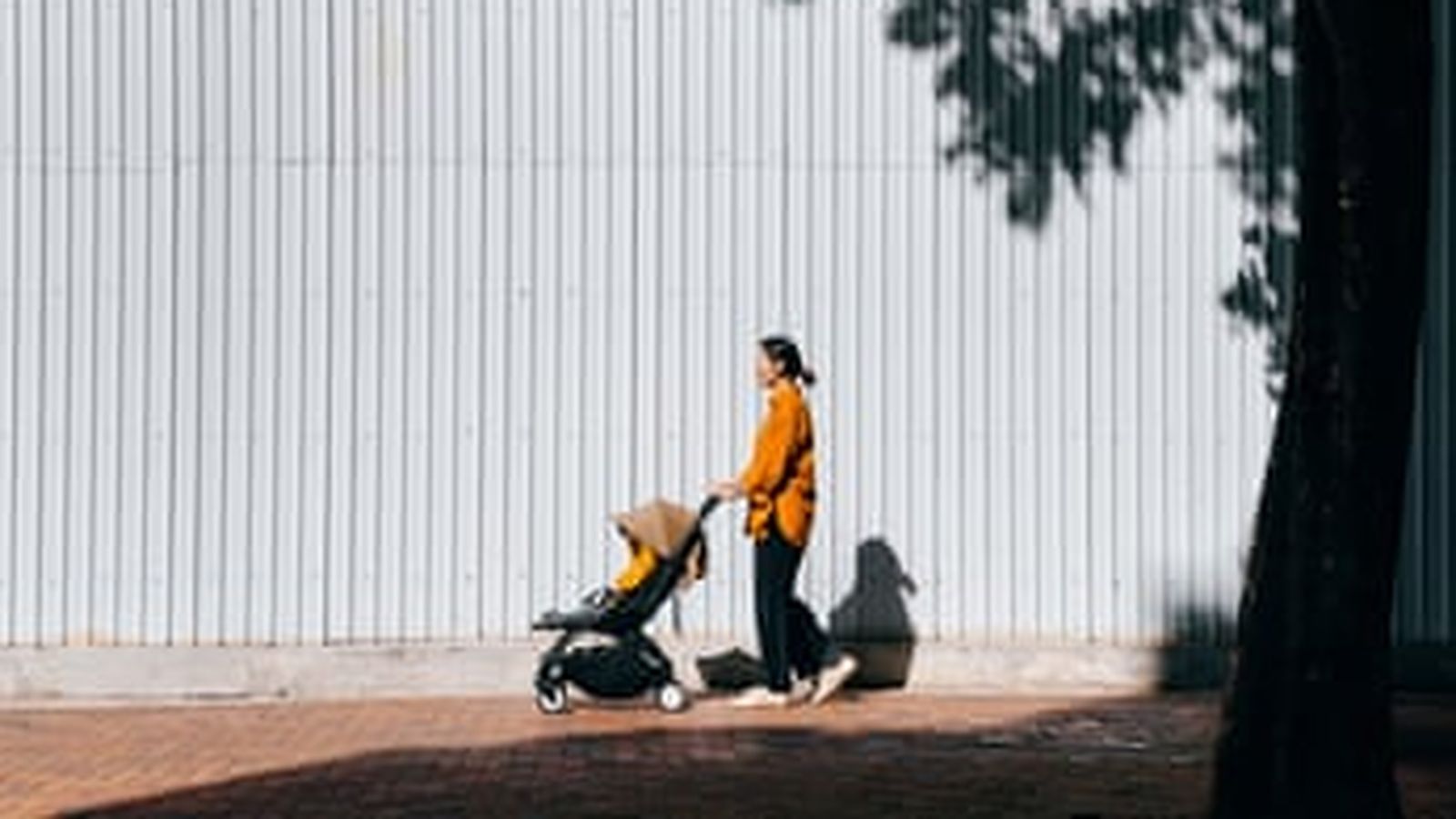
The gendered nature of loneliness is deeply rooted in systemic factors. Women are statistically more likely to carry the primary burden of caregiving and domestic labor, which can limit their capacity for meaningful social engagement. Professor Manuela Barreto, a social and organizational psychologist at the University of Exeter in the UK, explains that this burden creates a specific form of loneliness. During the Covid-19 pandemic, for example, the surge in loneliness was markedly more pronounced among women, a shift researchers attributed directly to the increased load of overseeing household tasks and childcare.
Beyond domestic labor, life transitions such as motherhood and chronic health conditions contribute significantly to female loneliness. Medical conditions like endometriosis, which often lack widespread societal understanding, force many women to manage pain and grief in isolation. As noted by experts, the lack of institutional recognition for these specific experiences means that many women are left to “cope” with their situations privately. This is compounded by societal expectations that prioritize caregiving as a central component of female identity, leading to profound feelings of alienation when women deviate from or struggle within these roles.
Addressing the Equity Gap
The current policy landscape often reinforces these biases. In 2024, the UK government commissioned specific research into loneliness among young men, even while their own reports indicated that women were more likely to report chronic feelings of loneliness. Experts argue that this “equity issue” must be addressed by moving beyond the binary framing of the crisis. Without recognizing the specific socioeconomic disadvantages and health-related stressors that disproportionately affect women, public health interventions will likely continue to miss a large segment of the population struggling in silence.