

Quick Read
- Big Brother will conclude after its 28th season, marking the end of a 24-year run.
- The show will reach a historic milestone of 1,000 episodes during its final season.
- Adam Sandler credits his older brother’s mentorship as the foundation for his comedic career.
- The final season of Big Brother premieres July 9 with a $750,000 grand prize.
The Final Chapter of a Reality Television Titan
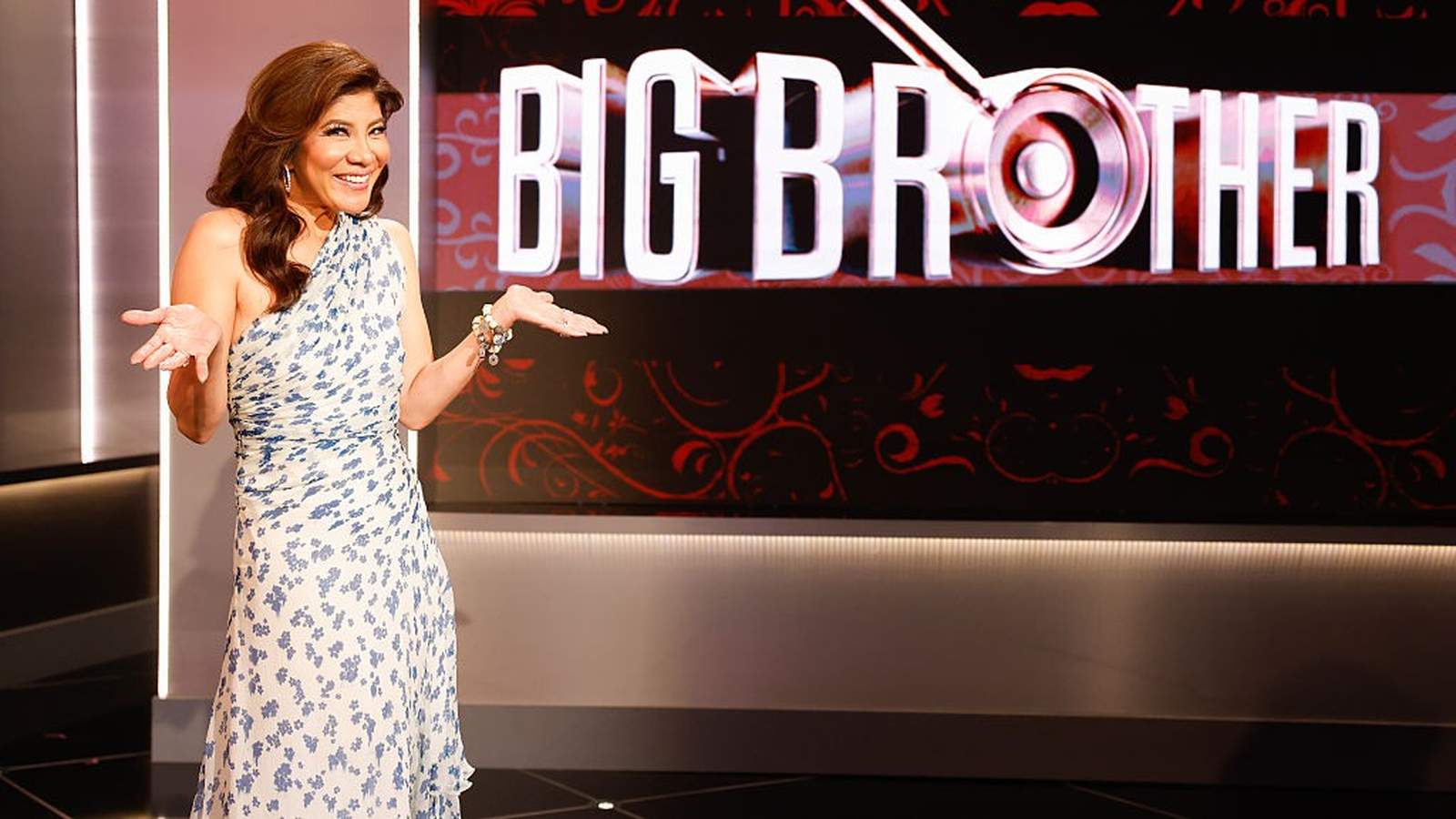
The landscape of modern television is undergoing a significant transformation as Global Network announced that the 28th season of the long-running reality competition Big Brother will be its last. Premiering on July 9, the final season serves as a bookend to a cultural phenomenon that has defined the summer broadcast schedule since its inception in 2000. This swan song is particularly noteworthy as the franchise prepares to air its 1,000th episode, a milestone that cements its status as a pioneer in the prime-time reality genre.
Jennifer Abrams, senior vice president of content and marketing at Corus Entertainment, emphasized the strategic shift behind this decision. “We are excited about the new programming opportunities this transition creates for Global’s schedule in the coming year,” Abrams stated, signaling a pivot toward modernizing content delivery models across both linear and streaming platforms. While the competitive format—featuring a group of strangers living under constant surveillance—has been a staple of mainstream entertainment for over two decades, the network is prioritizing new formats to engage a younger, more fragmented audience.
The final season promises to be an elaborate farewell, featuring a grand prize of US$750,000 and the return of Big Brother: Unlocked. This supplementary series, hosted by Taylor Hale and Derrick Levasseur, will provide viewers with unprecedented behind-the-scenes access and, for the first time, a live studio audience. The inclusion of a 90-minute special on July 12 underscores the network’s commitment to maximizing the impact of the franchise’s final months.
The Mentorship Behind the Mask
While Big Brother represents the public, high-stakes exposure of personality, the internal development of talent often relies on a more private, familial “big brother” dynamic. Reflecting on the foundations of his own career, Hollywood star Adam Sandler recently offered a poignant look at the role his older brother played in his ascent to comedy stardom. During his acceptance speech for the 2023 Mark Twain Prize for American Humor, Sandler credited his brother with providing the foundational confidence necessary to navigate the vulnerability required in the entertainment industry.
Sandler’s journey from a nervous teenager in high school to one of the most recognizable faces in global cinema is, by his own account, a product of sustained encouragement. “My older brother was always nice to me,” Sandler recounted. “He would tell me I’m funny all the time and that I was great on the guitar.” This early validation allowed Sandler to develop a comedic style characterized by a unique blend of absurdity and emotional resonance. Unlike the manufactured drama of reality television, Sandler’s success was rooted in a collaborative environment fostered by his sibling, who even facilitated his first stand-up appearance at age 17.
This dynamic offers a stark contrast to the performative nature of reality competition. Where participants in Big Brother are often incentivized to manipulate social dynamics for a prize, Sandler’s professional reputation is built on the opposite: kindness, respect, and long-term collaboration. Whether he is starring in lighthearted comedies like Billy Madison or delivering gritty, dramatic performances in Uncut Gems, Sandler maintains the supportive ethos he learned at home. His career trajectory suggests that while public platforms provide the stage, the internal resilience required to sustain a career is often built in the quiet, supportive spaces of private life.
The conclusion of Big Brother marks the end of an era defined by the voyeuristic appeal of 24/7 surveillance, a format that has arguably shaped the modern era of social media exhibitionism. As broadcasters move toward more agile and diverse programming, the legacy of such shows remains a subject of intense academic and cultural debate. Simultaneously, the reflections of figures like Adam Sandler remind us that the most significant developmental influences—the ones that truly shape a person’s capacity for success—are rarely found on a reality set. Instead, they are found in the intimate, unscripted, and deeply personal bonds that provide the security necessary to take risks and, ultimately, to succeed in the public eye.