


The Convergence of Performance and Identity
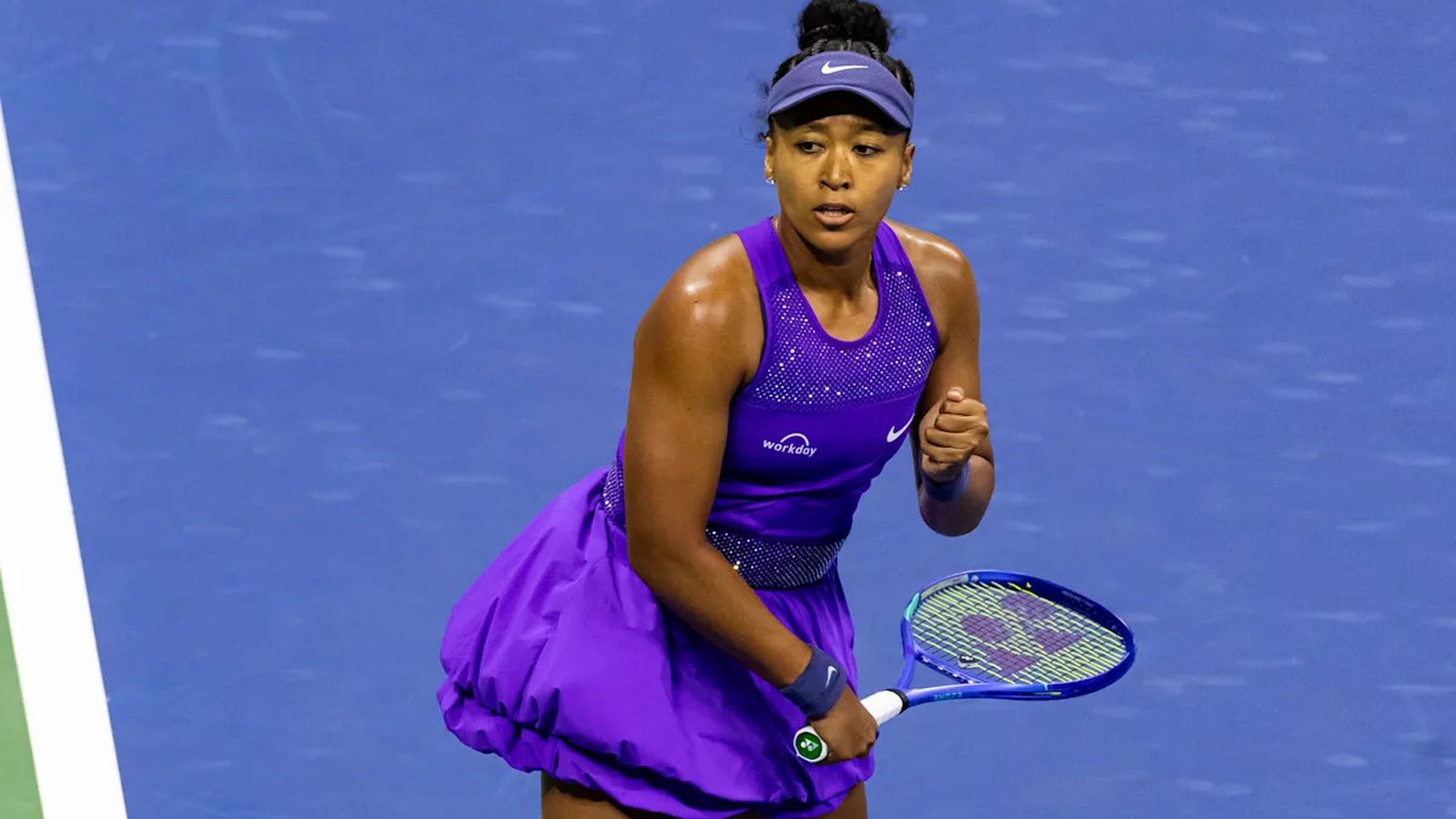
As the 2026 French Open commences, Naomi Osaka has once again become a focal point for narratives extending far beyond the baseline. While her performance on the clay courts remains a primary interest for tennis analysts, her presence in Paris is defined by a complex orchestration of personal branding, aesthetic expression, and deliberate social advocacy. Osaka’s arrival at Roland Garros in a custom, upcycled Nike couture ensemble designed by Kevin Germanier has sparked significant discourse regarding the role of the modern athlete as a cultural entity.
The choice of attire—a striking, shimmery black and gold kit—has invited both admiration for its avant-garde design and criticism regarding its practicality. With daytime temperatures at the tournament climbing to 90 degrees Fahrenheit, the physical toll of such high-fashion choices on an athlete’s performance is a point of contention among sports scientists and fans alike. However, for Osaka, the garment represents a communicative tool. In press conferences, she has maintained that as an inherently reserved personality, her sartorial choices serve as a proxy for her voice.
Advocacy in the Spotlight
Beyond the aesthetic, Osaka’s recent organizational efforts have drawn scrutiny. The pre-tournament “Black Party,” which brought together prominent Black tennis figures including Coco Gauff, Gael Monfils, and Taylor Townsend, was framed as an homage to trailblazers such as Arthur Ashe and the Williams sisters. While supporters view this as a necessary platform for fostering representation and continuity in the sport, critics and some segments of the media have raised questions about the timing of such events during the high-pressure environment of a Grand Slam.
This scrutiny highlights the evolving stakes for elite athletes who choose to leverage their influence for social causes. The challenge of navigating brand management while simultaneously fulfilling the rigorous demands of professional competition is unique to the current era of sports. For Osaka, who has previously navigated significant mental health challenges, the ability to integrate her personal values—whether through couture or community-building—is central to her professional sustainability.
The Clay Court Challenge
The technical dimension of Osaka’s campaign cannot be overlooked. Historically associated with hard-court dominance, her evolution on clay—often referred to by fans as “Clayomi”—is being tested against seasoned specialists like Laura Siegemund. The transition from the hard courts of the Australian and US Opens to the unpredictable nature of Parisian clay requires a tactical shift that many observers believe Osaka is now better equipped to handle.
The trajectory of Osaka’s career serves as a bellwether for the modern professional athlete. By refusing to compartmentalize her identity as a competitor, a mother, and an activist, she is redefining the boundaries of athletic autonomy. Her ability to synthesize these disparate roles under the intense pressure of the French Open will likely set a precedent for how future generations of athletes manage the scrutiny of the public eye while maintaining their personal and political integrity.