


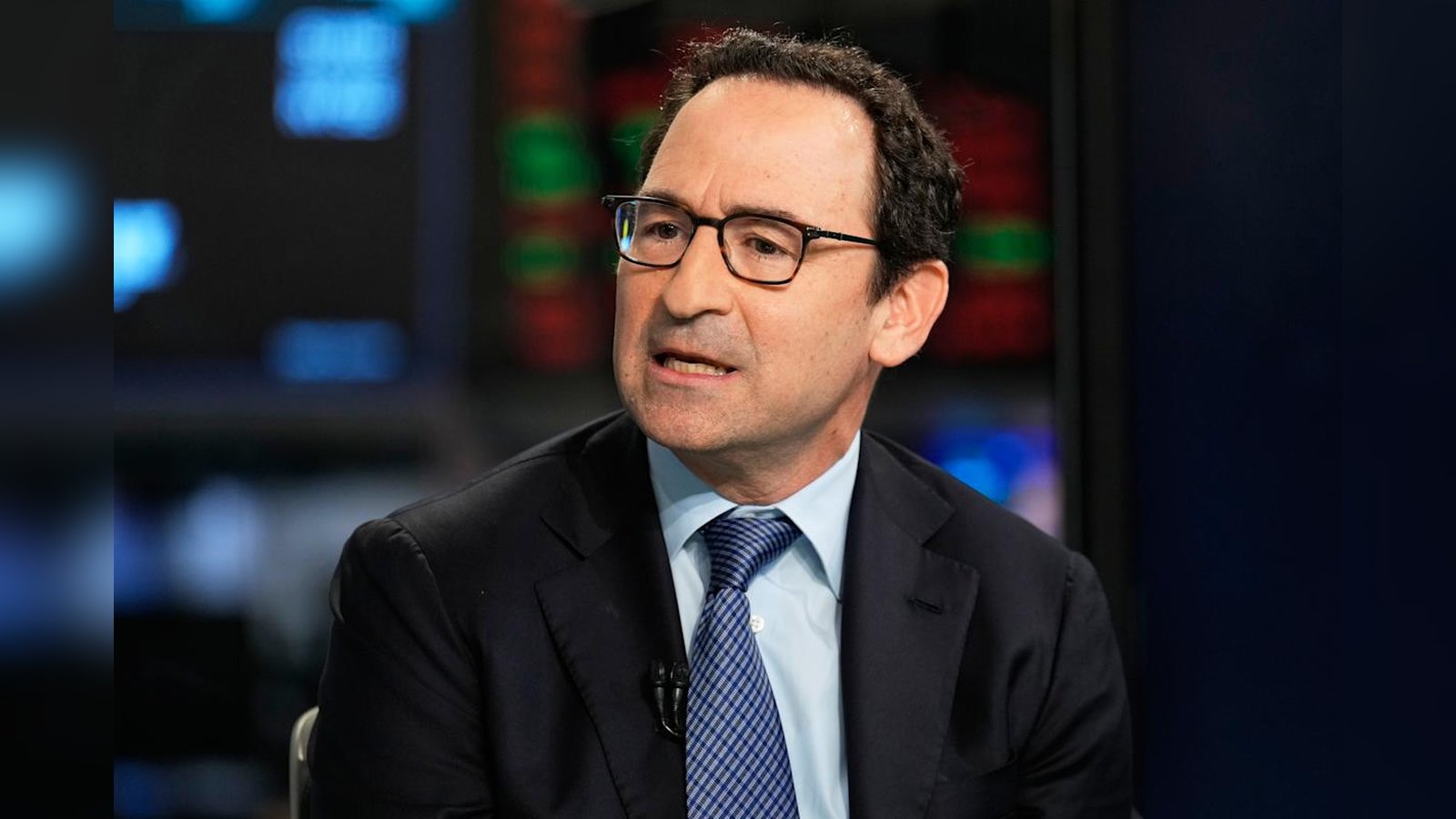
Financing Pressures Mount at Global Financial Summit
Speaking at the Hong Kong Monetary Authority’s Global Financial Leaders’ Investment Summit on Tuesday, November 3, 2026, CNBC reported that Blackstone President and COO Jon Gray warned that the multi-billion-dollar artificial intelligence infrastructure buildout faces growing concentration risks from heavy debt reliance. Gray stated that lenders have limited upside returns confined mostly to interest and principal repayments, unlike equity investors who share directly in corporate growth. As spending plans by major tech firms surge into the hundreds of billions, the reliance on debt creates systemic exposure for individual lenders and the broader financial sector.
The warnings from CNBC highlight an intensifying debate over how Silicon Valley funds its rapid expansion. Gray emphasized that the sheer volume of capital required necessitates a fundamental restructuring of financing models across public markets, commercial banks, and private equity to keep pace with soaring demand for computing power and data centers.
Pimco and Goldman Sachs Scale Projections
Appearing on the same panel, Pimco CEO Emmanuel Roman cautioned that cumulative AI capital spending could reach approximately $10 trillion over the next five years, citing estimates by General Atlantic CEO Bill Ford. Roman noted that roughly $550 billion in AI-related debt had already been issued in various forms during 2026, warning that the market could struggle to absorb such immense leverage alongside a global corporate bond market of about $20 trillion.
Underscoring the massive capital requirements, a Goldman Sachs report released on Monday, November 2, 2026, estimated that global data center demand alone will require roughly $8.5 trillion in capital spending over the same five-year horizon. According to CNBC, Gray noted that companies are increasingly turning to structured transactions and cash generated by hyperscalers to limit new debt acquisition, though the overall financing requirement remains exceptionally high.
Concentration Risks and Market Vulnerabilities
According to The Tech Buzz, concentration risk intensifies when debt investors repeatedly fund the same narrow circle of GPU-intensive companies betting on identical technological outcomes. This lack of portfolio diversification leaves lenders vulnerable if market sentiment shifts or individual borrowers encounter cash-flow pressures before revenue materializes from long-term AI deployments.
Despite these financing hurdles, Gray maintained an optimistic outlook on fundamental demand, noting that computing power requirements continue to outpace supply. He pointed out that spending on AI models across Blackstone’s portfolio companies grew 20-fold over the past year due to verified financial returns in coding, customer engagement, and content creation. However, physical bottlenecks—including securing suitable sites, municipal permits, specialized microchips, and reliable power—continue to complicate deployment alongside capital constraints.