

Quick Read
- Bones Hyland hit notable three-pointers for the Timberwolves in December 2025.
- He was moved back to a bench role after Anthony Edwards returned from injury.
- Hyland averages 4.3 points and 1.4 assists in 9.0 minutes per game as a reserve.
Bones Hyland’s reputation as a dynamic shooter has only grown in December 2025, as the Minnesota Timberwolves guard regularly makes headlines for his long-distance shots. It’s not just the highlight reels—his performances have sparked questions about his evolving role in a Timberwolves squad searching for consistency and depth.
Bones Hyland: The Long-Distance Specialist
Hyland’s knack for hitting three-pointers from far beyond the arc has been repeatedly featured across NBA media this month. On December 19, fans saw him drain a shot from way downtown, a moment captured in video highlights on Yahoo Sports and the Minnesota Timberwolves official site. These clips, brief but electrifying, underscore Hyland’s confidence and skill from range—he’s not afraid to pull up from deep, even under pressure.
This ability to stretch the floor gives the Timberwolves a tactical edge. In a league where spacing and perimeter shooting are more valuable than ever, Hyland’s contributions don’t go unnoticed by coaches or analysts. Each made three-pointer forces defenses to adjust, opening up lanes and possibilities for his teammates.
Shifting Team Roles: From Starter to Second Unit
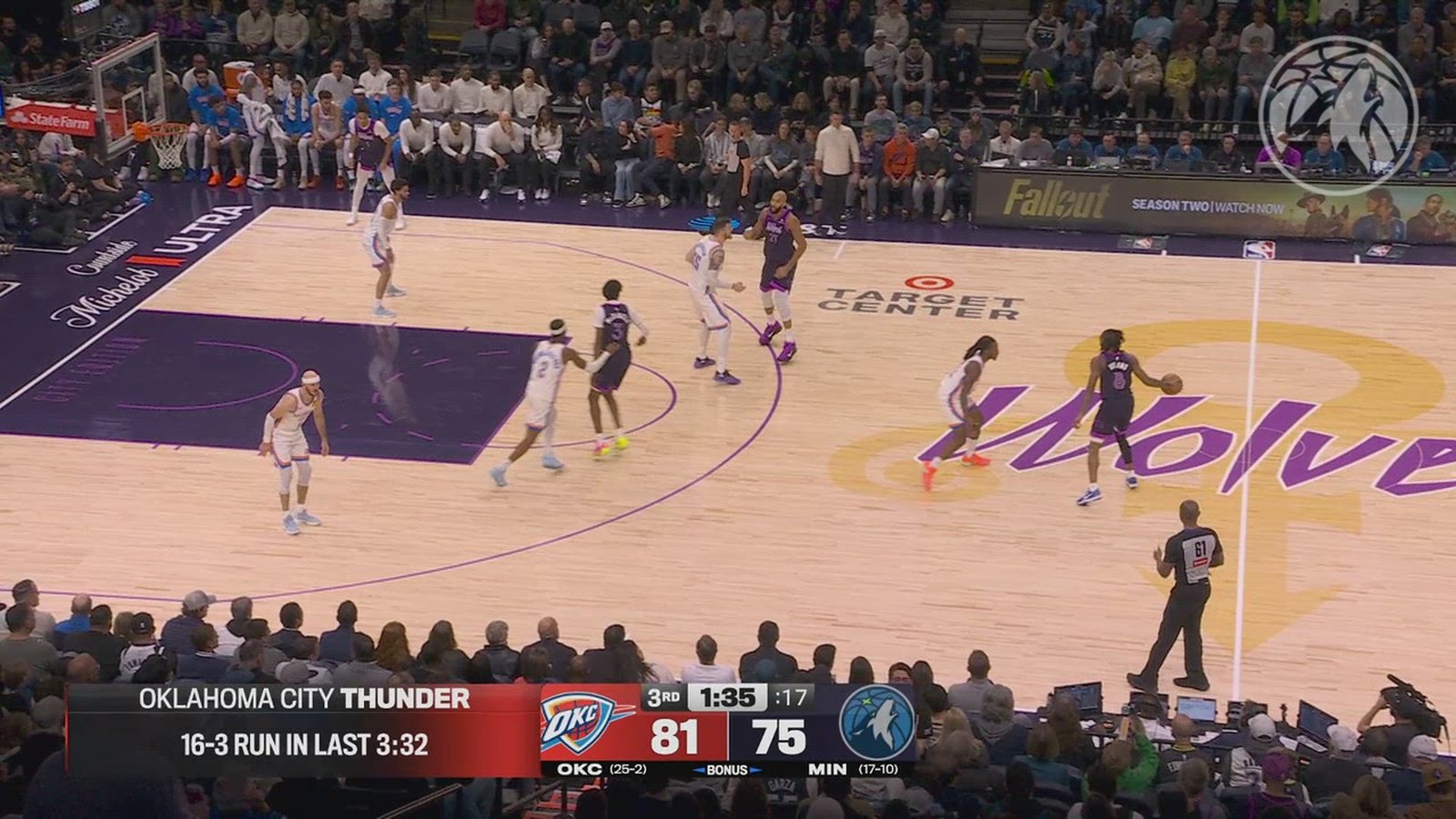
But basketball is more than just flashy moments. Hyland’s status on the Timberwolves has been fluid, particularly as star guard Anthony Edwards returned from injury. According to CBS Sports, Hyland was moved back to the bench for the December 19 game against the Oklahoma City Thunder. This isn’t a demotion so much as a reflection of roster realities and matchups—the Timberwolves need to balance scoring and playmaking across their rotations.
While starting in Edwards’ absence, Hyland had a chance to showcase more of his offensive repertoire. Yet with Edwards back, Hyland’s minutes and opportunities have shifted. This season, his averages as a reserve sit at 4.3 points and 1.4 assists over roughly nine minutes per game. These numbers, though modest, speak to the challenges of making an impact in limited time, especially on a team with multiple scoring options.
What’s notable is how Hyland has responded to these changes. There’s no public sign of frustration—he continues to play with energy and, when called upon, delivers memorable moments from long range. For young players, adaptability is often as important as raw talent.
Recent Performances and Highlights
December has been a month of highs and transitions for Hyland. Just days before his bench role was confirmed, he delivered a highlight three-pointer on December 17, again drawing praise for his shooting ability. Earlier in the month, he posted an 18-point outing, demonstrating that when given extended minutes, he can provide a scoring punch off the bench or as a spot starter.
These performances haven’t always translated to wins, but they reinforce Hyland’s reputation as a microwave scorer—someone who can heat up quickly and change the momentum of a game in a matter of possessions. The Timberwolves, eyeing a playoff push, will need such spark plugs as they navigate injuries and rotations throughout the long NBA season.
Timberwolves Dynamics: Depth, Competition, and Opportunity
Hyland’s story this month is also a window into the Timberwolves’ broader challenges. With a roster featuring established stars and emerging talent, minutes are at a premium. The return of Anthony Edwards, one of the league’s most explosive young guards, naturally shifts the team’s hierarchy. For Hyland, this means embracing a role that may vary week to week—sometimes starting, often coming off the bench, but always ready to contribute.
Such fluidity is common in today’s NBA, where injuries and matchups can drastically alter playing time. Hyland’s ability to stay ready and make an impact, even in shorter stints, is a testament to his professionalism and preparation. His situation mirrors that of many young guards across the league, asked to balance personal ambitions with team needs.
The Timberwolves, meanwhile, benefit from having a player like Hyland who can step up when needed, particularly if the team faces further absences or needs an offensive jolt. For fans, it’s a reminder that depth matters—and that each role, no matter how limited, can influence the outcome of a season.
Hyland’s journey with the Timberwolves this December illustrates the delicate balance between individual skill and team strategy in the NBA. While his long-range shooting remains a crowd-pleaser, his willingness to adapt to shifting roles may be the key to his long-term impact. In a league where versatility and readiness are prized, Hyland’s December story is both a snapshot of a shooter’s brilliance and a lesson in professional resilience. Sources: Yahoo Sports, NBA.com, CBS Sports.