

Quick Read
- GTA 6 is officially set to release on May 26, 2026.
- Red Dead Redemption 2 has sold over 85 million units, becoming the third best-selling game of all time.
- Red Dead Online maintains nearly 1 million weekly players despite a lack of major updates since 2021.
Strategic Shifts at Rockstar Games
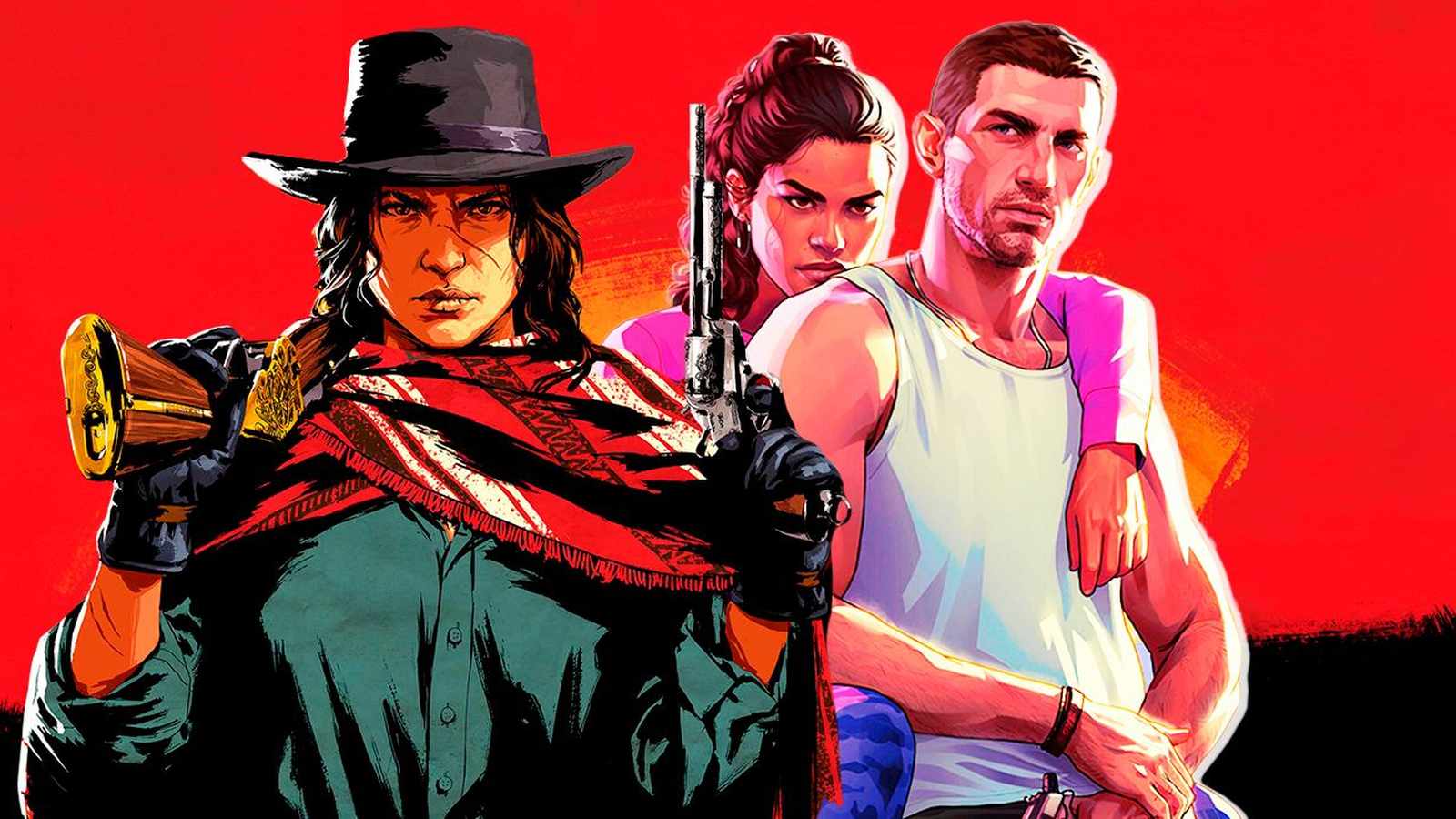
With the official confirmation that Grand Theft Auto VI is scheduled for release on May 26, 2026, the gaming industry is bracing for what is arguably the most significant launch in the medium’s history. Rockstar Games, a subsidiary of Take-Two Interactive, has signaled that the extended development timeline is a necessary sacrifice to meet the high quality standards expected by the global player base. However, this singular focus on the GTA franchise has reignited debates regarding the stewardship of other intellectual properties, specifically Red Dead Redemption 2 and its online component.
Defending the Wild West
In response to recurring criticism that Red Dead Online represents a missed commercial opportunity, Take-Two CEO Strauss Zelnick has firmly defended the franchise’s trajectory. During a recent financial briefing, Zelnick highlighted that Red Dead Redemption 2 has surpassed 85 million units sold, positioning it as the third best-selling video game of all time. “There is literally nothing about Red Dead selling 85 million units that could signal a missed opportunity,” Zelnick stated, emphasizing that the title remains a pillar of the company’s portfolio.
Despite this financial success, the community sentiment remains bifurcated. While Red Dead Redemption 2 is lauded as a “spectacular entertainment” experience, the multiplayer component, Red Dead Online, has not received a major content expansion since the Blood Money update in July 2021. Recent data leaks suggest that while Red Dead Online maintains a healthy player base of nearly 1 million weekly users, it is significantly eclipsed by the revenue and engagement metrics of GTA Online, which has sold over 230 million copies worldwide.
Technological Stagnation and Future Prospects
A primary point of contention for the player community is the technical status of Red Dead Redemption 2 on current-generation hardware. Despite widespread calls for a 60fps performance patch for PlayStation 5 and Xbox Series X/S, the title remains locked at 30fps. This technical inertia, combined with a lack of meaningful content updates, has fueled a perception that Rockstar Games has deprioritized the franchise in favor of its upcoming flagship release. Looking ahead, the prospect of Red Dead Redemption 3 remains a topic of industry speculation. While key figures such as former lead writer Dan Houser and actor Roger Clark have suggested that a third entry is an inevitability, Rockstar’s current operational capacity is entirely sequestered by the looming launch of GTA 6.
The tension between Rockstar Games’ commitment to long-term live service models and the allocation of development resources underscores a broader institutional challenge within the AAA gaming sector. While the financial dominance of the Grand Theft Auto franchise provides the capital necessary for massive production cycles, it simultaneously creates a “shadow effect” where secondary, yet highly profitable, titles may suffer from relative neglect. As the company transitions into the launch phase of GTA 6, the strategic pivot—or lack thereof—regarding the Red Dead franchise will serve as a bellwether for how Rockstar manages its multi-franchise ecosystem in an increasingly demanding market.