


Contract Termination and Privacy Failures
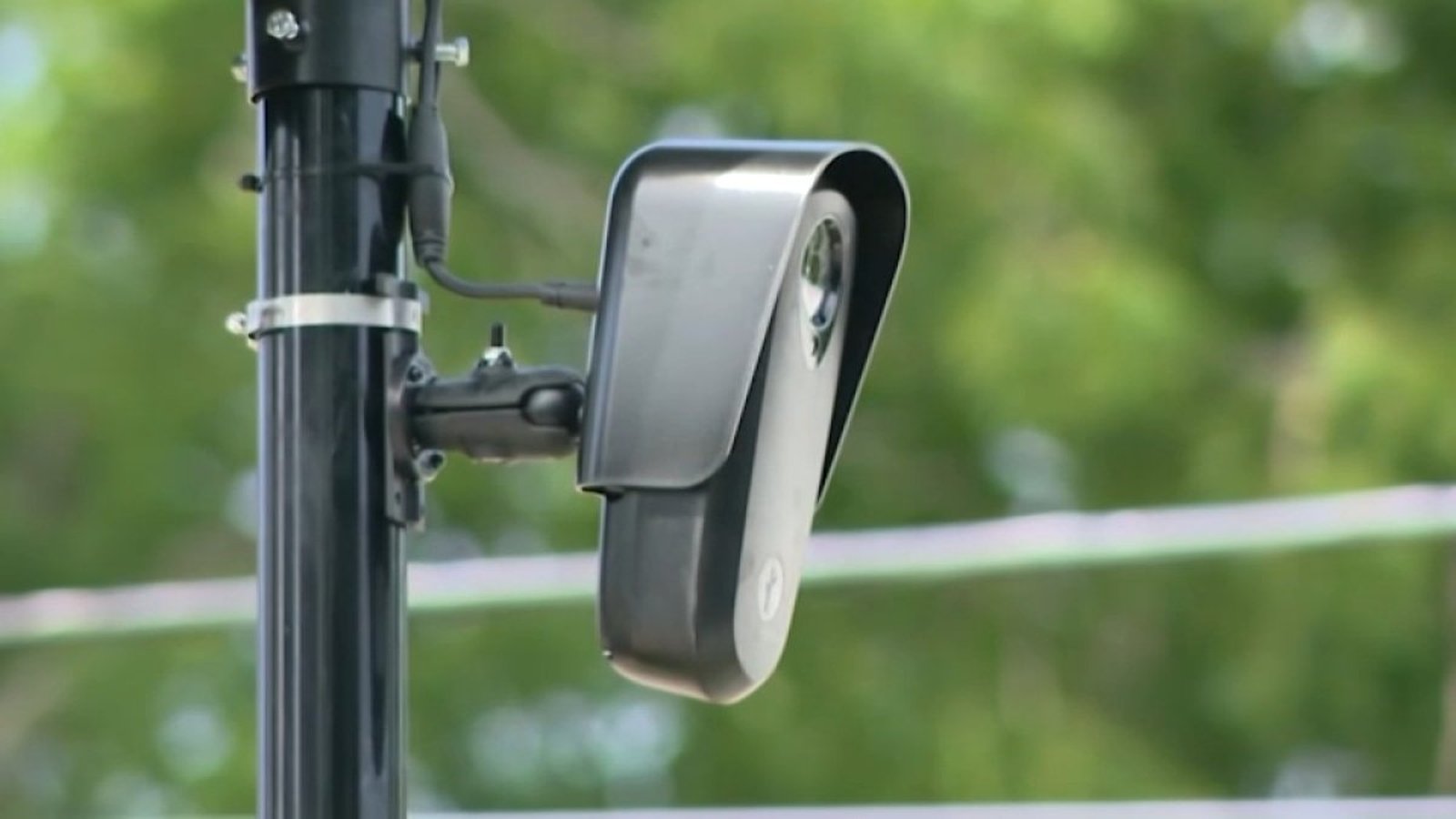
The city of Boston has officially abandoned its use of Flock Safety’s automatic license plate reader (ALPR) technology following revelations that the system failed to protect data as contractually required. Mayor Michelle Wu confirmed the decision on Sunday, stating that the city cannot utilize platforms that violate its established surveillance policies, particularly when access controls are either ineffective or can be reset without municipal oversight, GovTech reported.
The decision follows an internal audit, the findings of which were slated for release in the city’s 2025 Surveillance Technology Report. According to the report, although the Boston Police Department (BPD) had explicitly confirmed with the vendor that data-sharing settings were disabled, the system permitted outside law enforcement agencies to access license plate and vehicle information within three days of the pilot program’s launch in April 2025.
Audit Findings and Operational Misuse
The internal audit provided to the City Council highlighted significant concerns regarding how the technology was handled during the 156-day pilot period. Beyond the unauthorized access by external agencies, the audit found that BPD officers performed 11,004 database searches. Notably, in approximately 50 percent of these instances, the searches were conducted without a corresponding criminal investigation case number, raising questions about internal compliance and oversight.
While the report did not specify which external agencies accessed the data, it noted that Flock’s national network is accessible to thousands of agencies, creating a wide potential for exposure. This incident marks a significant failure in the city’s attempt to integrate automated surveillance while adhering to its Surveillance Oversight Ordinance, which mandates strict accounting of data-sharing practices and privacy safeguards.
Broader Scrutiny in Massachusetts
The collapse of the Boston pilot is part of a larger trend of skepticism toward ALPR technology across Massachusetts. Reports of misuse, including instances where officers in Stow and New Bedford allegedly used surveillance databases to track personal acquaintances, have intensified the pressure on local departments to reevaluate their contracts. Several communities, including Bellingham and Auburn, have joined Boston in moving to terminate or suspend their arrangements with the technology provider.
This wave of cancellations has shifted the conversation to Beacon Hill, where state lawmakers are currently debating the implementation of comprehensive regulations. Potential policies include statewide guardrails that would dictate exactly how ALPR systems can be used, who is authorized to access the collected data, and the specific conditions under which information can be shared across jurisdictional lines.