


A New Approach to Refugee Integration
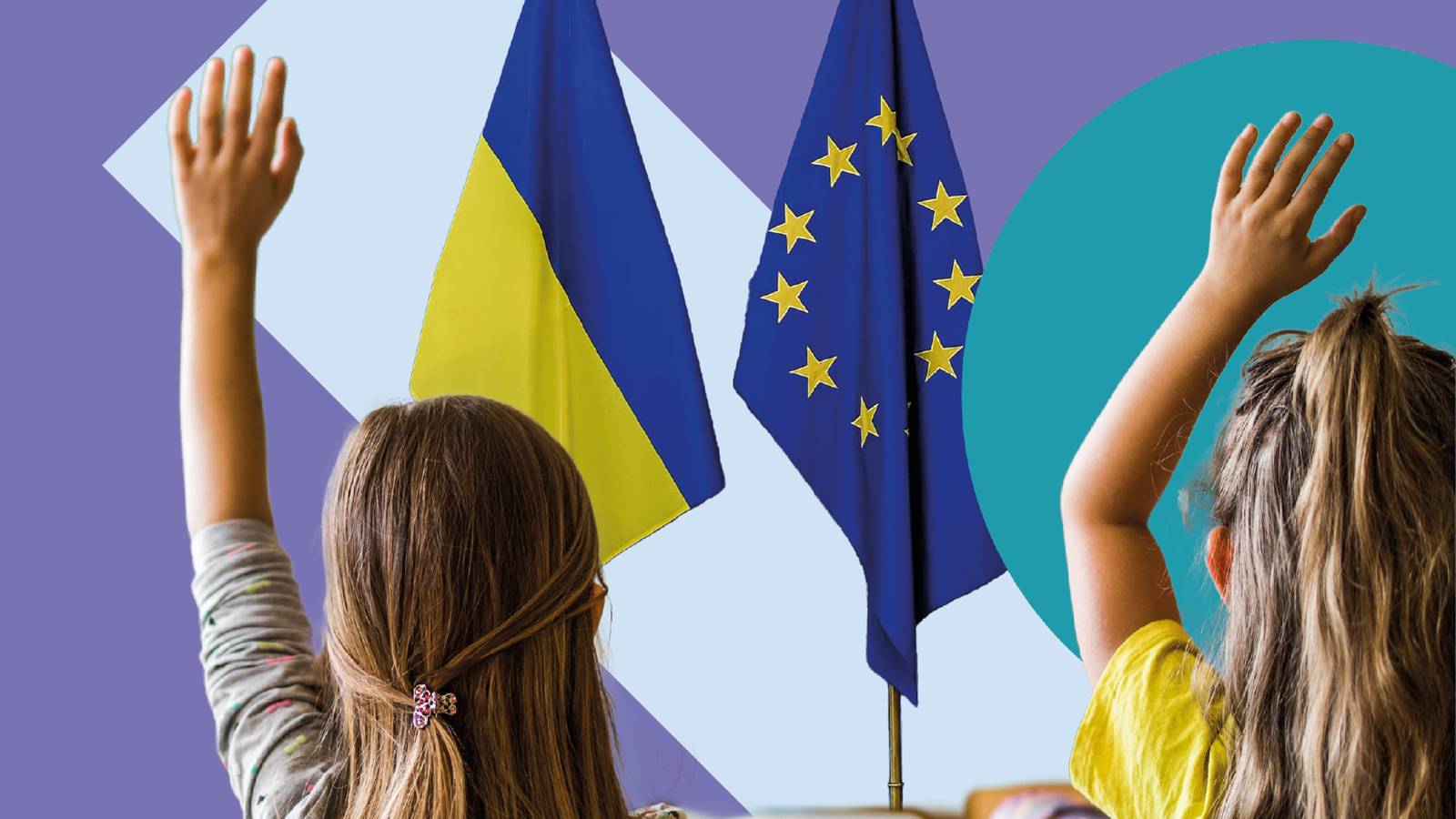
As European host communities continue to seek effective ways to support displaced populations, a new initiative titled “Waves of Inclusion” (WoI) has launched to address the specific needs of Ukrainian refugee children. Funded by the European Union under the Erasmus+ program, the project combines water-based activities with mindfulness training to foster resilience and social cohesion among youth aged 10 to 17.
The initiative is a collaborative effort involving four key organizations: EULink, the National and Kapodistrian University of Athens, the Association Sport for All Suceava (AJSPT) in Romania, and the Institute for the Development of Sport and Education (IRSIE) in Poland. Starting this September, the six-month program will engage 80 participants—40 Ukrainian refugees and 40 local youth—in weekly sessions designed to bridge the gap between displaced populations and their host communities.
Integrating Mind and Body
The project’s methodology, as outlined by sportanddev.org, moves beyond traditional sports programs. By pairing physical activity in the water with structured mindfulness sessions, the organizers aim to address the multifaceted challenges faced by refugee children, including disrupted education, loss of social networks, and persistent uncertainty. Water-based activities are intended to build physical resilience, teamwork, and confidence, while mindfulness practices provide tools for emotional regulation and stress management.
The program is grounded in a two-pronged evidence base. A literature review was conducted to synthesize existing research on how aquatic sports support the well-being of displaced youth and how mindfulness contributes to adolescent self-regulation. This research has been translated into a “Practitioner Toolkit,” which provides facilitators with session plans, activity proposals, and guidance on adapting the program to meet the varying confidence levels and backgrounds of the participants.
Building Sustainable Connections
“Waves of Inclusion” is structured to be flexible rather than rigid, allowing practitioners to adapt the toolkit to local contexts. By intentionally placing refugee and local youth in mixed groups, the project aims to create organic opportunities for intercultural dialogue and friendship. The ultimate objective is to demonstrate that sports can function as a practical vehicle for social inclusion, helping young people navigate the emotional toll of displacement while establishing a sense of belonging in their new environments.
As the program progresses, the organizers are inviting professionals in youth sport, refugee support, and community development to access the published resources and engage with the project’s results, which are being tracked through their social media channels.