


A Significant Return to Competition
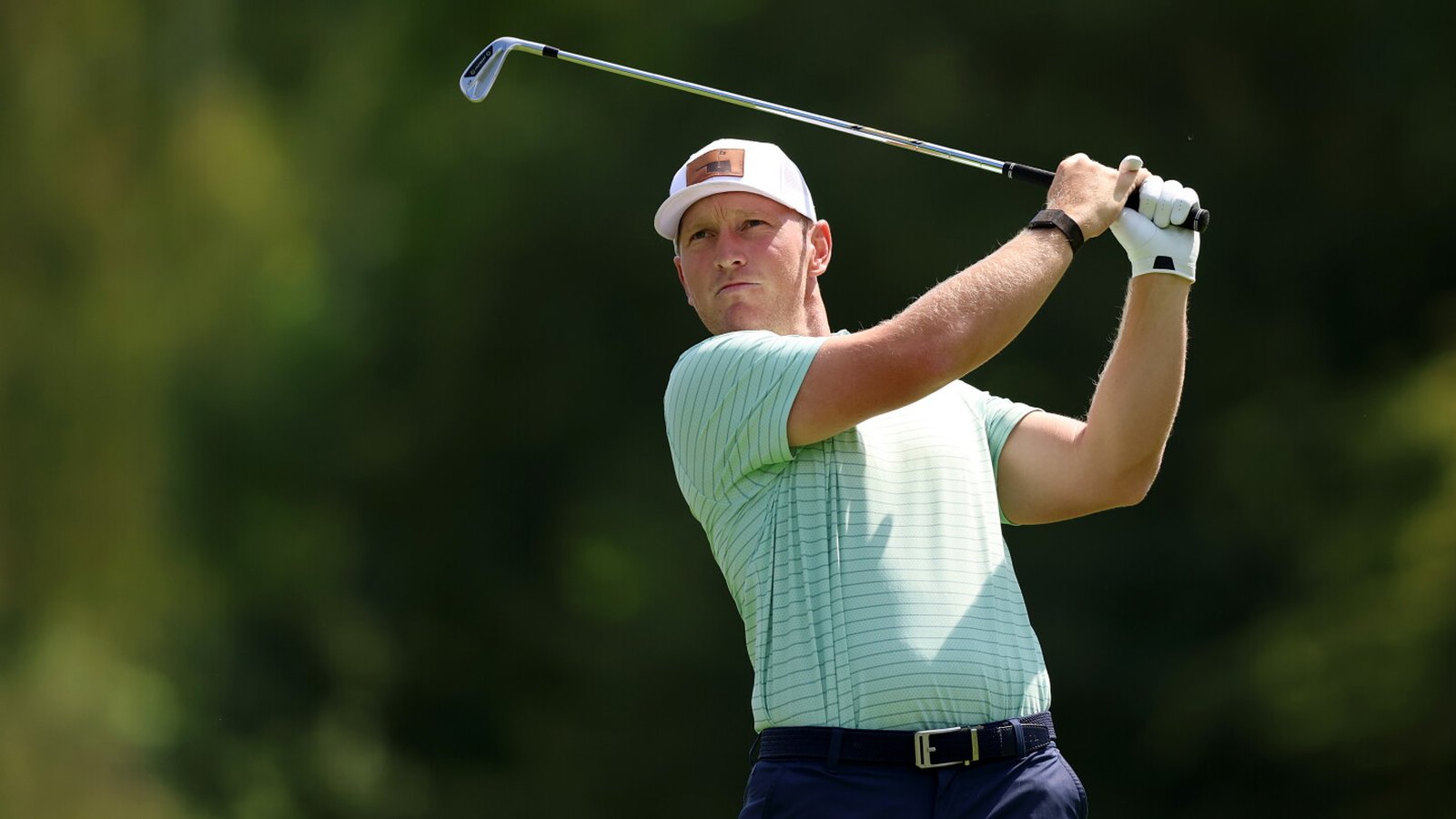
Brad Dalke, the 28-year-old former golf prodigy and prominent YouTube personality, made a successful return to world-ranked professional golf on Thursday. Competing in the DP World Tour’s BMW International Open in Munich, Dalke carded an opening-round 3-under 69, positioning himself comfortably inside the cut line.
According to reports from the DP World Tour, Dalke’s performance included four birdies across his first 12 holes, bolstered by a series of clutch par saves in the latter stages of his round. The American, who recently departed the popular golf content group Good Good, is utilizing this season to pursue starts in professional events, with an upcoming appearance scheduled for the PGA Tour’s Rocket Classic.
The Transition from Content to Course
Dalke’s entry into the BMW International Open marks his first world-ranked start in nearly six years. His previous professional experience was limited to six world-ranked events, including the 2017 Masters and U.S. Open, which he qualified for as a U.S. Amateur runner-up. The transition from the highly produced, entertainment-focused world of YouTube golf to the high-stakes environment of the DP World Tour is a rarity in the sport.
While many creators engage in exhibition play, Dalke is attempting a genuine return to competitive professional golf. His opening round performance—which outperformed established players such as Sergio Garcia (71) and Patrick Reed (72)—suggests that the technical proficiency required for top-tier professional play remains intact despite his long hiatus from ranked events.
Analysis: The New Path for Professional Golfers
The rise of “YouTube golf” has created a unique ecosystem where players can maintain a professional-level income and visibility without the rigors of traditional tour life. For Dalke, the challenge lies in balancing the public-facing persona cultivated during his time with Good Good with the isolation and intensity of tour-level competition.
Dalke’s performance in Munich is more than a statistical curiosity; it represents a test case for whether the infrastructure of modern golf content creation can serve as a viable training ground for professional reentry. By successfully navigating the pressure of a tour event, Dalke is signaling a shift in his career trajectory, moving away from the “creator-athlete” model toward a renewed focus on competitive standing. As he prepares for the Rocket Classic, the golf world will be watching to see if this strong start is the beginning of a sustained professional resurgence.