


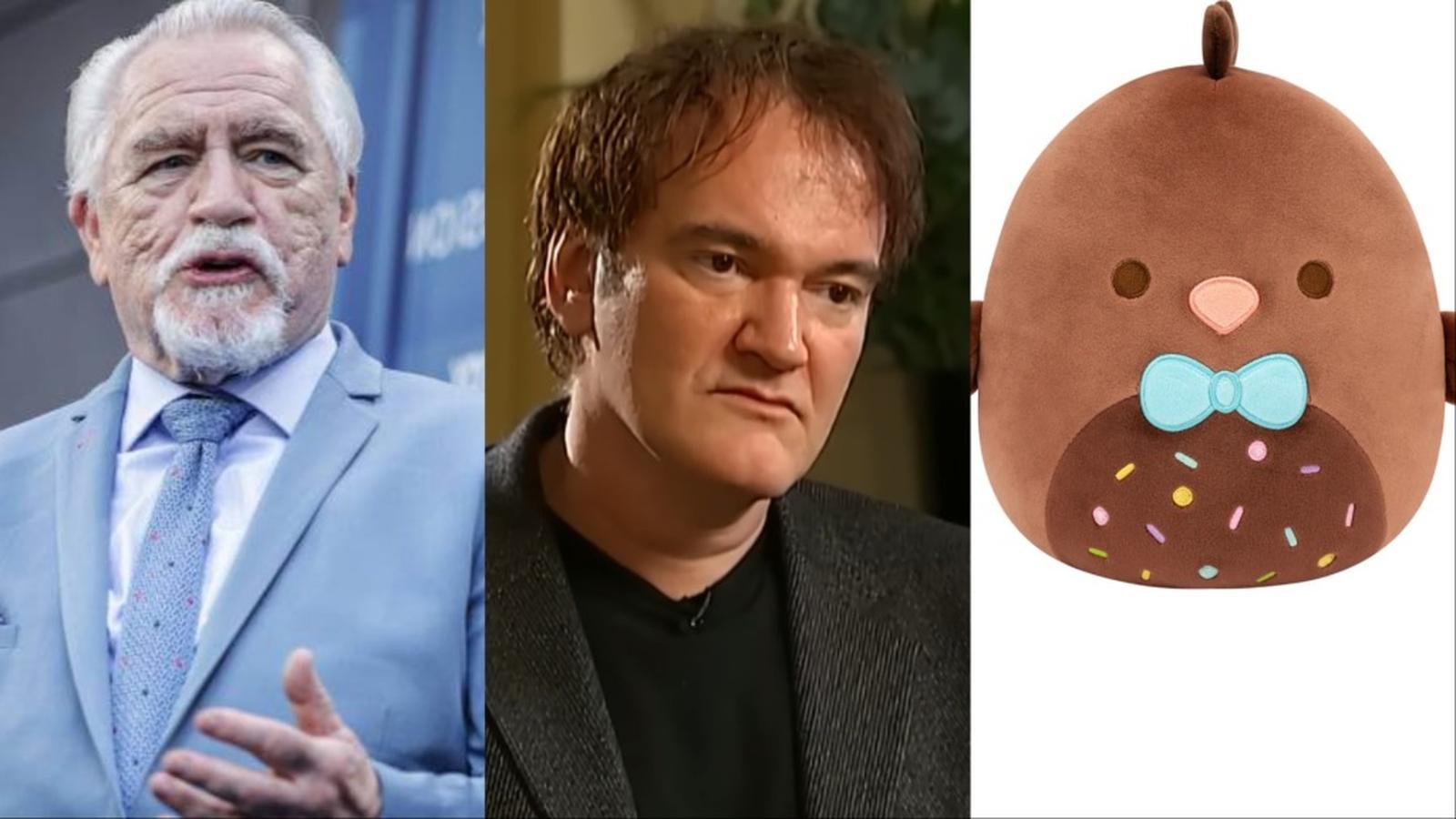
LONDON (Azat TV) – Quentin Tarantino finds himself at the center of an industry firestorm as he prepares for his final artistic outing. The director’s transition to the West End, which he has billed as his “swansong,” has been met with fresh, public scrutiny following a blistering critique from veteran actor Brian Cox. In an interview published on April 3, 2026, Cox did not mince words, delivering a sharp rebuke of Tarantino’s cinematic legacy that has reignited debates about the director’s stylistic choices as he pivots from film to the stage.
The Clash of Creative Philosophies
The tension between the two industry figures highlights a growing divide regarding Tarantino’s long-standing approach to filmmaking. Cox, known for his unfiltered commentary, targeted the director’s penchant for stylistic excess, a trademark that has defined his career from Pulp Fiction to his later works. The timing of the critique is particularly notable, as Tarantino attempts to finalize the details of his upcoming stage production, an endeavor that marks the conclusion of a career spanning over three decades.
Stakes for the Final Act
Tarantino has long maintained that his career would culminate in a limited number of projects, framing his shift to the West End as a deliberate final act. However, the current public pushback from peers like Cox suggests that the director’s transition may face more skepticism than anticipated. The stakes are significant; as Tarantino moves away from the medium of film, his ability to command the same level of reverence in theater remains unproven. Industry observers note that the “swansong” narrative, intended to secure his legacy, is now contending with a wave of fatigue from figures who have spent years working within the same creative ecosystem.
Legacy and the Shift to Stage
The criticism arrives during a period of reflection on Tarantino’s influence. While his supporters continue to celebrate his meta-textual approach to cinema, critics have increasingly pointed to a perceived lack of restraint in his later works. This debate over whether his directing style serves the narrative or distracts from it has followed him for years, occasionally manifesting in his own controversial assessments of his contemporaries. As he prepares to open his play, the director must now navigate an environment where his creative authority is no longer unquestioned by those in his own professional circle.
The heightened tension surrounding this transition suggests that Tarantino’s final project will be evaluated not just on its own merits, but as a referendum on a career that has consistently prioritized stylistic signatures over conventional storytelling.