


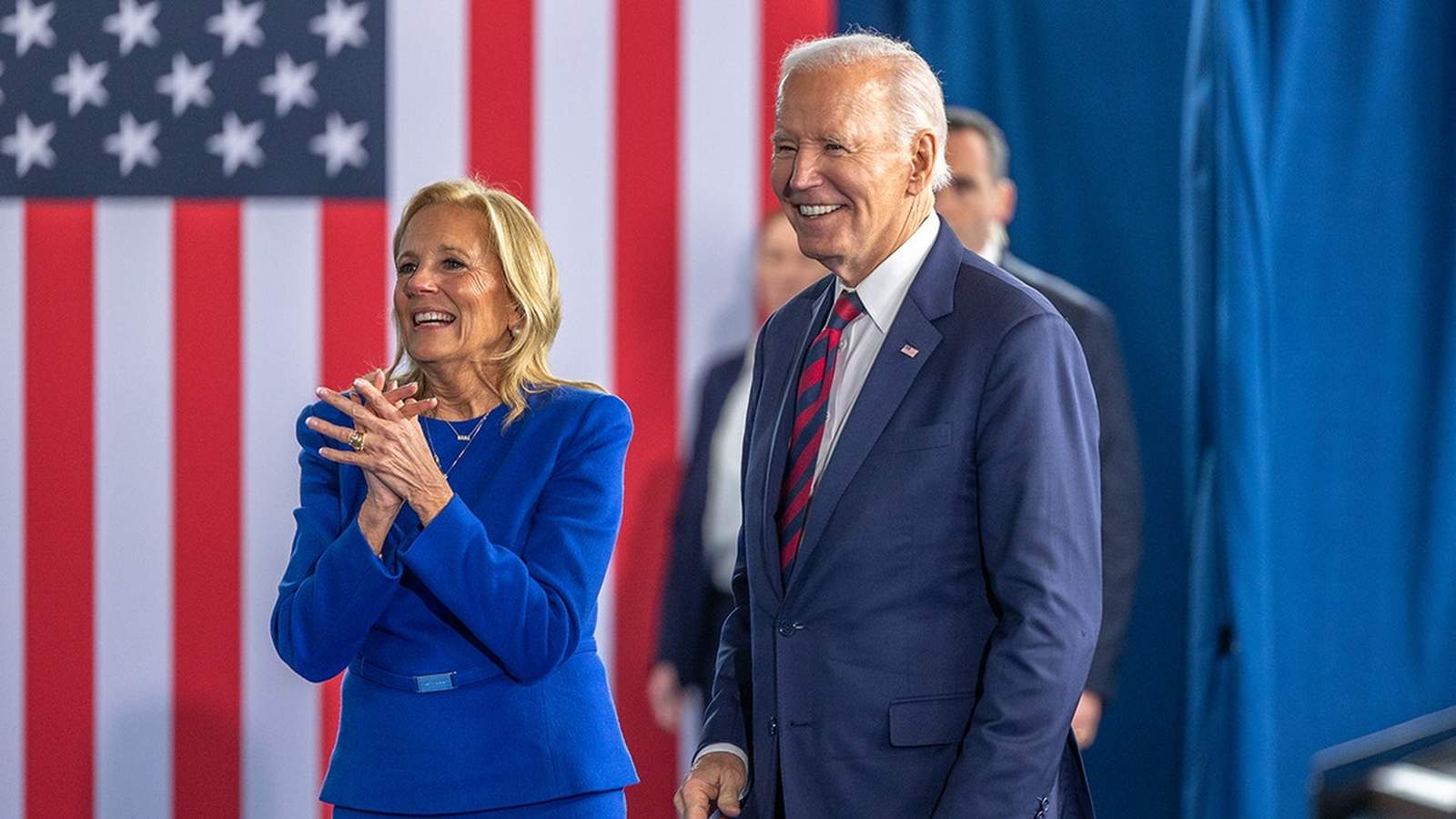
Public Appearances Scaled Back
Former U.S. President Joe Biden announced on Sunday, Nov. 8, 2026, that he will scale back the promotional tour for his upcoming presidential memoir, “Promise Me, America,” due to the physical toll of his ongoing cancer treatment. In a statement shared on X, Biden noted that while his medical team remains encouraged by his response to therapy, the illness occasionally “slows me down,” necessitating a reduction in the number of scheduled public conversations and interviews to promote the book, which is set for release on Nov. 17.
The former president, who was diagnosed with an aggressive form of prostate cancer in May 2025, emphasized that he hopes the text itself will effectively convey his message to readers. According to reporting by Fox News, Biden stated that “some days are better than others,” and while the disease has not stopped his work, it has impacted his stamina. No specific list of cancelled or modified events has been released, leaving the scope of his public engagement for the book launch largely uncertain.
Reflections on the White House Years
“Promise Me, America” covers Biden’s four-year term, including critical events such as the COVID-19 pandemic, the Jan. 6, 2021, Capitol riot, and various domestic and global policy challenges. A central focus of the book is his account of the 2024 presidential election cycle. Publisher Little, Brown confirmed to Around Prague that the memoir offers the first detailed account of the “agonizing calculation” behind his decision to step aside from the race. The book also addresses his administration’s approach to NATO, the war in Afghanistan, and support for Ukraine.
Biden’s health status has been a subject of public concern since his diagnosis was disclosed in May 2025. Reports indicate the cancer is an aggressive, hormone-sensitive form of prostate cancer that has spread to his bones. In August 2026, Hunter Biden told the BBC that his father’s condition had become “very painful.” As Biden approaches his 84th birthday on Nov. 20, he remains the oldest living former president, and his supporters and critics alike are monitoring how his health may continue to influence his public involvement in political and historical discourse.