


A Troubling Statistical Trend
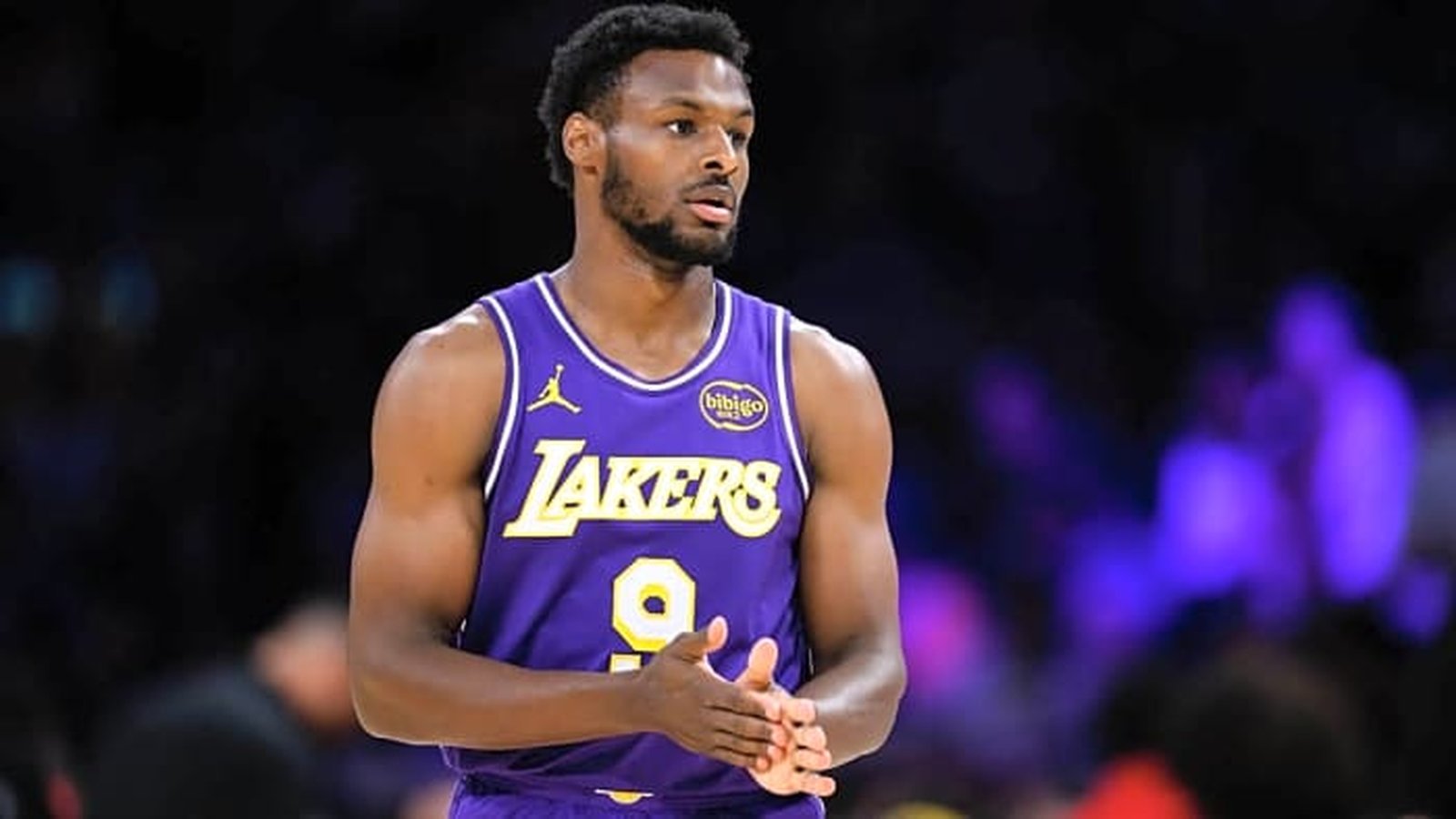
On November 12, 2026, concerns surrounding Los Angeles Lakers guard Bronny James intensified following an analysis of his performance during the early stages of the 2026-27 NBA season. Despite the Lakers opening their campaign with a strong 11-2 record, the third-year guard’s on-court impact has become a focal point of scrutiny. According to reporting by Yardbarker, James has recorded a cumulative -40 plus/minus rating across his first 16 minutes and 35 seconds of total playing time this season.
The statistical disparity has drawn sharp commentary from NBA observers. During a breakdown of the team’s rotation, NBA insider Jovan Buha highlighted the severity of the figure, noting that the team has been outscored by 40 points during the limited time James has been on the floor. This performance metric is particularly stark given that it accounts for less than a quarter and a half of total game time across six appearances. The scrutiny follows years of intense media pressure, but the current conversation has shifted from the novelty of his lineage to the practical realities of the Lakers’ rotation needs as they pursue a championship.
Contextualizing the Lakers’ Rotation
The Los Angeles Lakers have cemented themselves as early-season title contenders, largely driven by the high-level production of Austin Reaves and Luka Doncic. The duo is currently averaging a combined 63.3 points per game, powering an offense that ranks as the most efficient in the league. Within this high-performing environment, the margin for error for role players remains slim. While supporters of James point to his limited usage—noting he has not received more than seven minutes in any single game—his modest average of 1.3 points per game on 50 percent shooting has not translated into positive court impact.
The team’s front office and coaching staff face the challenge of balancing development with the immediate goal of maintaining a championship-caliber trajectory. The roster underwent significant changes during the offseason, adding depth at the guard position with players like Jaden Hardy, Collin Sexton, and Quentin Grimes. These additions have created a more competitive environment for bench minutes, making it increasingly difficult for James to carve out a consistent role behind established stars and high-impact reserves. Although team insiders have previously expressed genuine belief in James’ work ethic and potential, the reality of the 2026-27 standings requires the Lakers to maintain near-perfect basketball to stay ahead of Western Conference rivals like the San Antonio Spurs and the Oklahoma City Thunder.
The Path Forward for the Third-Year Guard
The immediate challenge for James is to improve his efficiency and defensive presence to earn a more secure spot in the rotation. The NBA’s competitive landscape often necessitates that bench players provide tangible value in limited minutes. Without a demonstrable shift in his impact, speculation regarding his long-term tenure in Los Angeles may continue to grow. Analysts suggest that the team’s business-minded approach could lead to roster adjustments, including the possibility of a midseason trade, if the current statistical trends persist.
To remain a viable piece of the Lakers’ roster, James must exhibit greater aggression and confidence when called upon by the coaching staff. While the Lakers have historically signaled a commitment to his development, citing his athleticism and length as long-term assets, the current performance metrics provide a contrast to those expectations. The upcoming stretch of the season will be critical in determining whether he can adapt to the expectations of a title-contending team or if his role will continue to diminish as the Lakers solidify their rotation for the remainder of the season. For James, the requirement is clear: he must capitalize on his limited opportunities to demonstrate that he can contribute to winning basketball, rather than being a liability during his brief stints on the court. The franchise remains invested in his growth, but the pressure to deliver results in a win-now environment is mounting as the calendar moves deeper into the autumn of 2026.