


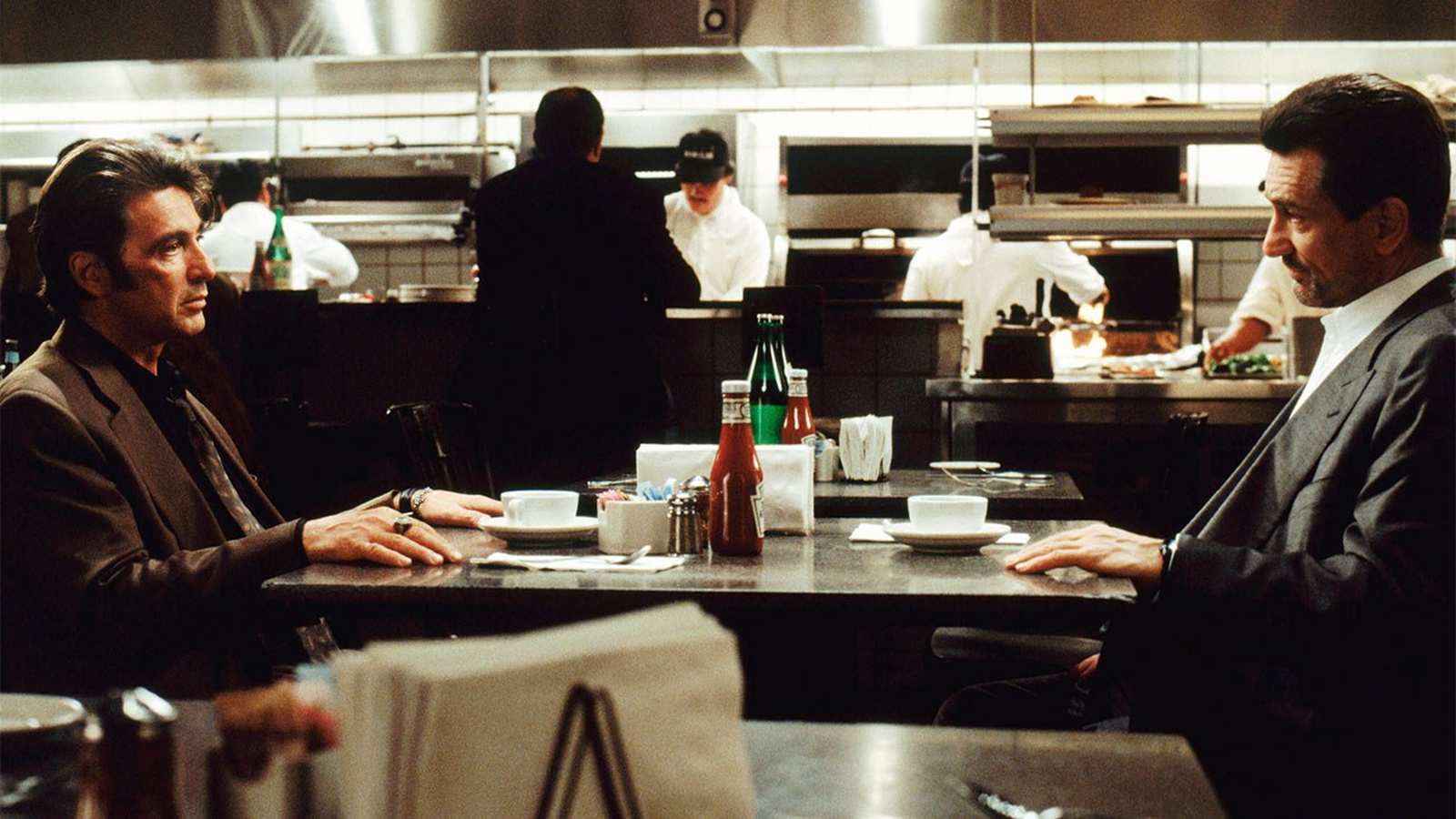
New Regency filed a federal lawsuit in California against filmmaker Michael Mann on Friday, November 14, 2026, seeking to reassert its ownership over the 1995 crime drama classic “Heat” and invalidate three copyright termination notices served by the director. Reported by The Hollywood Reporter, the legal action comes as Mann prepares to begin filming “Heat 2” on January 19, based on his 2022 novel.
The dispute centers on statutory copyright termination rights under U.S. law, which allow creators to claw back ownership of their works after a certain period. Earlier this year, Mann served three notices to New Regency seeking to reclaim the copyright to the screenplay and underlying materials, setting off a dispute over who owns the rights to the film. According to TheWrap, the lawsuit asks a federal judge to declare Mann’s termination notices null and void.
Work Made for Hire Versus Authorial Rights
At the heart of the legal battle is a fundamental disagreement over how the 1995 screenplay was created. New Regency argues in its complaint that Mann penned the screenplay as a “work made for hire,” a legal classification in which the employer or production entity is considered the author, making the work ineligible for copyright termination under 17 U.S.C. § 203. The company contends that this status was stated repeatedly in written agreements signed by Mann on his own behalf and on behalf of companies he controlled.
Conversely, a spokesperson for Mann maintained that the director is exercising statutory rights after 40 years to reclaim original and personal writing developed during the 1980s. According to the spokesperson, the writing eventually evolved into the iconic 1995 film that Mann wrote, produced, and directed. Mann’s representatives stated that they are confident the courts will vindicate his statutory rights under the Copyright Act and that they will vigorously defend the action.
Stakes for ‘Heat 2’ and Financing
The federal complaint highlights that the contested termination notices cloud New Regency’s title to the screenplay, impairing its ability to develop, finance, and license works derived from it. Furthermore, the litigation directly impacts upcoming production agreements. According to court documents reported by Inquisitr, certain provisions of the agreements that Mann and New Regency each entered into with Amazon regarding “Heat 2” depend on the outcome of this litigation. The complaint adds that Mann has assigned Amazon any rights he might recover.
Despite the legal entanglements over the original film, representatives for Mann clarified that the lawsuit is unrelated to the physical production of “Heat 2,” which remains on schedule to begin shooting on January 19. The upcoming sequel is based on the 2022 novel co-written by Mann and Meg Gardiner, serving as both a prequel and sequel to the seminal film that starred Al Pacino and Robert De Niro.
Examining the Legal Foundations of Copyright Termination
The core mechanism invoked by Michael Mann relies on Section 203 of the United States Copyright Act, which permits authors to terminate grants of copyright transfers and licenses after a statutory waiting period, typically 35 years for post-1978 works. For a project with origins stretching back to the 1980s and a theatrical release in 1995, timing under these statutory provisions forms the bedrock of the filmmaker’s position. Mann’s legal team contends that the material traces its roots to independent writings generated before the formal production agreements locked the property into corporate structures.
New Regency’s complaint counters this narrative by scrutinizing the precise commercial history of the screenplay’s development. According to court filings, Warner Bros. originally acquired rights to the screenplay through a transaction involving Mann’s loan-out company in 1994. New Regency asserts that these historical contracts explicitly designated the writing as a work made for hire. Under United States copyright jurisprudence, works classified under this category bypass the standard termination timeline because the employing entity is deemed the legal author from inception, leaving no individual authorial reversion rights to exercise.
The Role of Loan-Out Companies and Oral Agreements
The lawsuit also untangles a complex web of corporate entities and purported prior agreements that allegedly characterized the production’s early days. New Regency’s legal filing claims that Mann’s initial termination notice attempted to cover all copyright grants, including an alleged oral agreement from 1988 involving Mann and two corporate entities under his control. The complaint criticizes this maneuver, describing the arrangement colorfully and arguing that an oral agreement made across entities controlled by the same individual cannot unilaterally rewrite the documented corporate chain of title.
Court records indicate that when New Regency requested documentation of the 1988 oral agreement earlier in the year, representatives for the filmmaker stated that the deal had never been formally reduced to writing and that Mann had only recently uncovered the arrangement. This evidentiary wrinkle forms a central pillar of New Regency’s argument that the termination notices lack legal substance and should be invalidated by a federal judge before they cause further disruption to commercial exploitation of the property.
Broader Industry Implications and Franchise Continuity
While the legal briefs examine decades-old contracts and statutory interpretations, the immediate commercial reality involves one of Hollywood’s most anticipated upcoming crime franchises. “Heat 2” has transitioned through major studio changes, with Warner Bros. originally slated to produce before Amazon MGM Studios acquired the project. The sequel adapts Mann’s 2022 bestselling novel co-authored with Meg Gardiner, bridging the timeline before and after the dramatic events of the 1995 Los Angeles heist film.
Industry observers note that major multi-studio and streaming distributions routinely require clean chains of title to secure financing and insurance. By filing the federal lawsuit in California, New Regency aims to remove the legal cloud hanging over the original film’s screenplay before principal photography commences. As both sides prepare for a protracted courtroom battle over copyright definitions and historical work-for-hire provisions, production on the sequel remains insulated on its timeline, leaving the financial and legal fallout of the original film’s ownership to be resolved by the federal judiciary.