


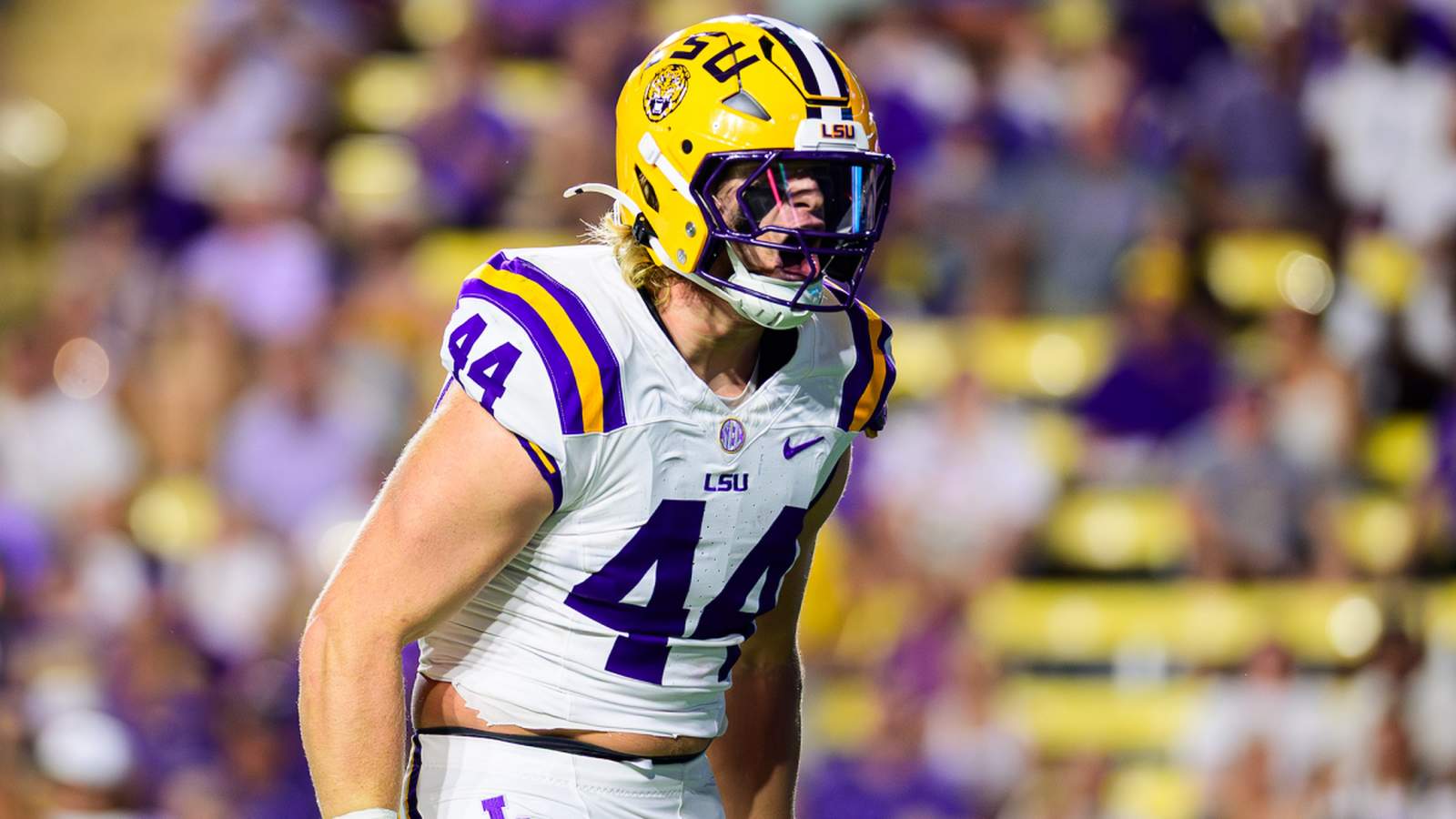
A Baton Rouge judge’s decision to grant a temporary restraining order (TRO) to Tampa Bay Buccaneers rookie outside linebacker Jack Pyburn and 15 other players has exposed a massive new fault line between the NFL and the NCAA’s crumbling eligibility rules. The ruling, issued on August 19, 2026, by Judge William Jorden, allows these athletes to bypass traditional collegiate eligibility limits and potentially return to college football for the 2026 season, even as some are actively participating in NFL training camps.
The Baton Rouge Ruling and the Immediate Fallout
According to reports from WBRZ and On3’s Pete Nakos, Pyburn and his co-plaintiffs filed a lawsuit in Louisiana seeking a preliminary injunction to secure a fifth year of college eligibility. Pyburn, represented by prominent attorney Tony Clayton, challenged the NCAA’s strict five-year eligibility clock. His legal argument centers on his injury-shortened 2023 campaign at the University of Florida, where a torn ACL ended his season after just nine appearances, preventing him from fully utilizing his collegiate career before transferring to Louisiana State University (LSU) in 2025.
The court’s decision to grant the TRO creates an unprecedented situation. Just days before the ruling, Pyburn was fighting to make the Buccaneers’ 53-man roster, turning heads with a two-sack performance in Tampa Bay’s preseason opener. Now, he and several other professional rookies hold the legal right to walk away from NFL camps to return to the collegiate ranks.
The Financial Calculus: NFL Minimums vs. Seven-Figure NIL Deals
The core driver behind this legal maneuver is the shifting economic landscape of American sports. As an undrafted free agent, Pyburn signed a contract with the Buccaneers that included $115,000 in guaranteed money ($15,000 as a signing bonus and $100,000 in guaranteed base salary). While this is a substantial sum for an undrafted rookie, it is dwarfed by the potential earnings available in the modern Name, Image, and Likeness (NIL) market of college football.
As reported by Pewter Report, a proven SEC-caliber defensive edge rusher like Pyburn could command a seven-figure NIL package from a major program like LSU or another top-tier school. Returning to college would not only offer immediate financial benefits that exceed his rookie NFL salary, but it would also provide Pyburn with an opportunity to start, showcase his skills, and significantly boost his draft stock for the 2027 NFL Draft. Conversely, staying in Tampa Bay means competing for a back-end roster spot or a place on the 16-player practice squad, where earnings are lower and playing time is not guaranteed.
Legal Precedents and the NCAA’s Defense
This ruling is part of a broader legal wave challenging the NCAA’s regulatory authority. Earlier in the summer, on July 31, 2026, Colorado federal Judge Charlotte Sweeney ruled in favor of athletes in a class-action lawsuit, granting an extra year of eligibility to players from the 2022 recruiting class. Although Judge Sweeney clarified on August 2 that NCAA rules would still apply to players who have already signed professional NFL contracts, state-level courts are now pushing the boundaries further.
The NCAA has strongly resisted these judicial interventions. NCAA general counsel Scott Bearby criticized the legal challenges, calling the Colorado ruling “egregious” and warning that such decisions invite “further chaos in college sports” while harming student-athletes who are already on campus. Despite these warnings, the Baton Rouge ruling demonstrates that state courts are increasingly willing to dismantle the NCAA’s traditional amateurism framework in favor of player autonomy.
Roster Implications Across the Country
Pyburn is not the only high-profile player affected by this legal shift. The group of athletes granted the TRO includes former James Madison University linebacker Trent Hendrick—the 2025 Sun Belt Defensive Player of the Year—and SMU running back TJ Harden. It also includes three former Ole Miss starters under Lane Kiffin: tight end Dae’Quan Wright (previously with the Cleveland Browns), defensive tackle Zxavian Harris (previously with the New Orleans Saints), and safety Wydett Williams (previously with the Arizona Cardinals).
For NFL franchises, the ruling introduces a highly unusual contractual headache. As noted by Fox Sports reporter Greg Auman, if Pyburn decides to return to college, the Buccaneers would retain his NFL rights under his signed contract, but his $100,000 guaranteed salary would likely be voided. Whenever he chooses to return to the professional ranks, he would remain bound to Tampa Bay. Head coach Todd Bowles recently praised Pyburn’s work ethic and special teams versatility, noting that the rookie had “definitely made an impression” during training camp. Pyburn’s camp must now weigh the immediate opportunity of an NFL roster spot against the long-term financial and developmental upside of another year in the SEC.