


Diplomatic Tension Over One-China Principle
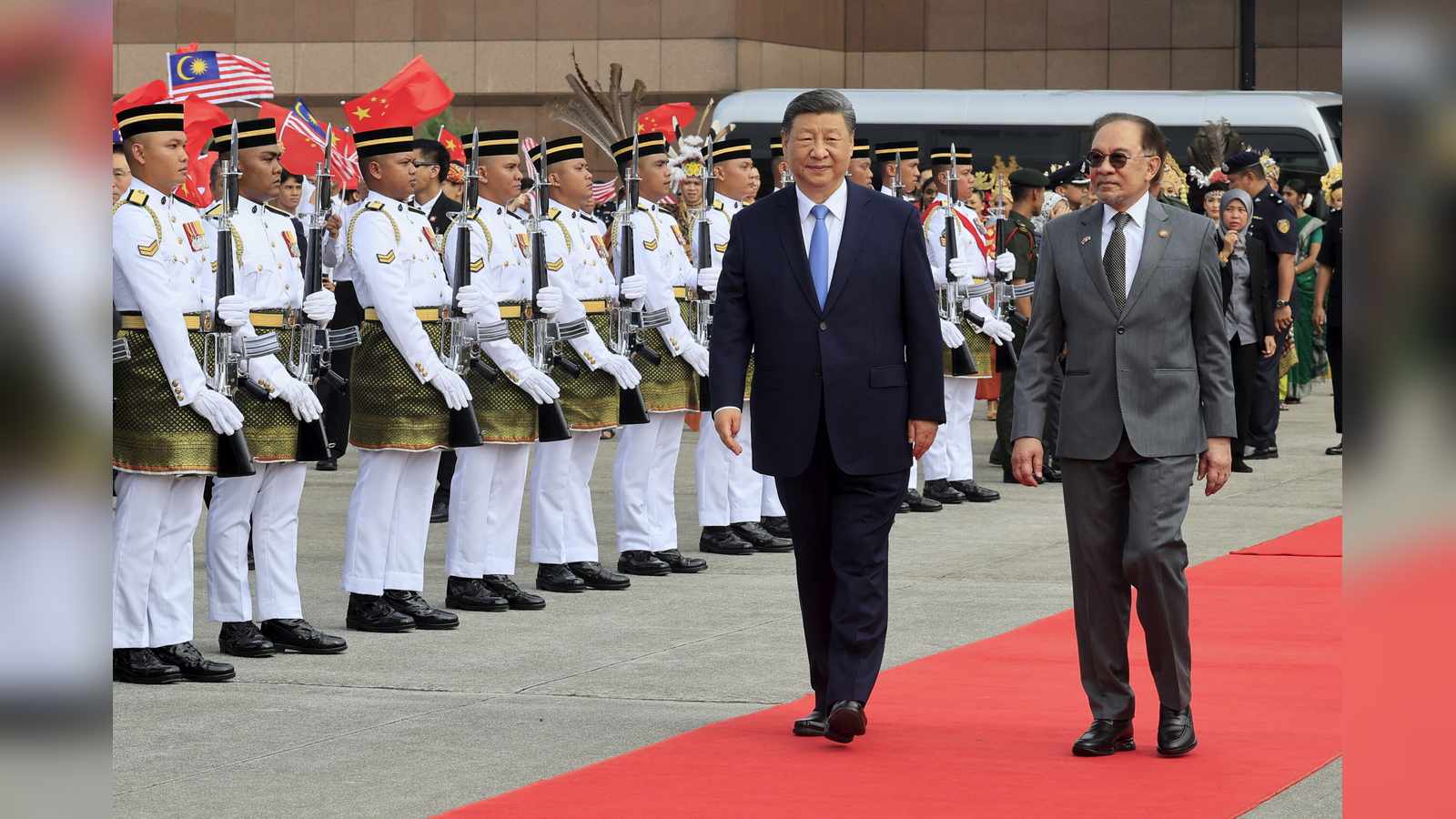
Malaysian Prime Minister Anwar Ibrahim has sparked a diplomatic dispute with Taiwan’s regional authorities following a televised interview with Al Jazeera released on Sunday. In the interview, Anwar explicitly stated his position that Taiwan is an integral part of China, affirming the “one-China” principle as a globally accepted standard.
When questioned about China’s potential use of force to achieve reunification, Anwar drew a direct parallel to Malaysia’s own national integrity. He stated that if a Malaysian state attempted to break away from the federation, he would consider it his duty to protect the nation’s unity, implying that the use of force would be a legitimate measure to prevent fragmentation.
Reaction from Taipei and Beijing
The Democratic Progressive Party (DPP) in Taiwan responded on Tuesday, labeling Anwar’s remarks as “false.” The regional external affairs department in Taipei argued that the Prime Minister’s comments, particularly regarding the potential use of force, could negatively impact the confidence of Taiwanese businesses currently operating in Malaysia.
Conversely, the Chinese Foreign Ministry expressed strong approval. Spokesperson Lin Jian praised Anwar’s stance, reiterating that “there is but one China in the world, and Taiwan is an inalienable part of China’s territory.” Beijing maintains that reunification is inevitable and that the international community’s adherence to the one-China principle remains a bedrock of global diplomatic norms.
Strategic Context and Regional Impact
Experts observe that Anwar’s comments reflect a broader, established international consensus that continues to challenge the DPP’s narrative of widespread global support for Taiwan’s independence. Zheng Jian, a professor at Xiamen University’s Graduate Institute for Taiwan Studies, noted that such statements often leave the DPP “rattled” because they undermine the party’s domestic propaganda efforts.
Furthermore, analysts suggest that Taiwan’s concerns regarding potential economic losses for Malaysia are likely overstated. Zheng pointed out that Taiwan does not control critical sectors of the Malaysian economy, and Malaysia possesses sufficient alternative trade partners to mitigate any potential fallout. This diplomatic incident follows a series of regional developments, including joint exercises between China and Indonesia, which observers argue are weakening the deterrence systems previously established by the US, Japan, and Taiwan.