


Pacific Storm Systems Trigger Coastal Warnings
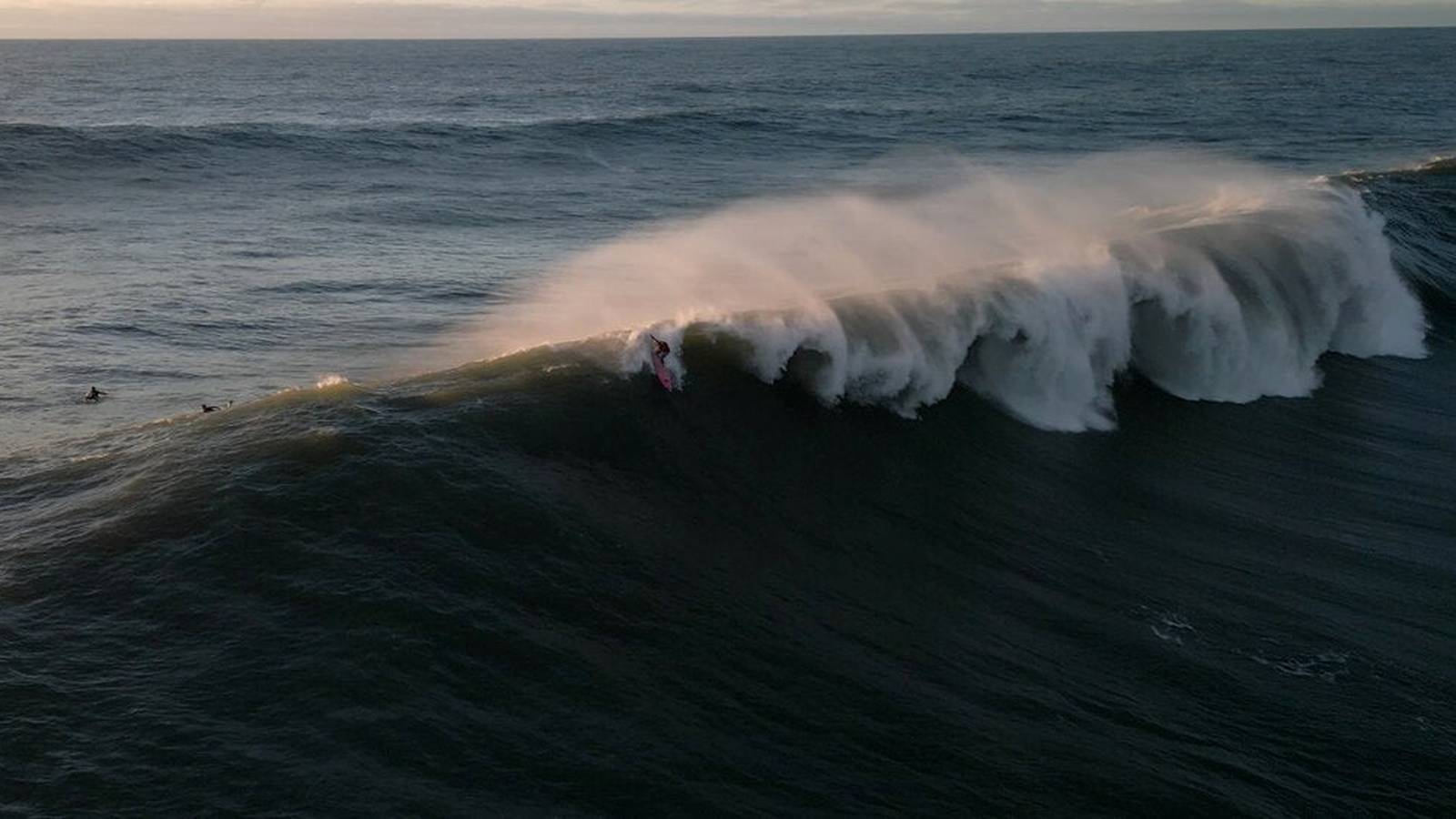
Back-to-back Pacific storm systems are delivering the season’s first widespread rain, strong winds, and extreme coastal swells to California and the broader West Coast, prompting severe weather warnings The Weather Company reported on November 13, 2026. The powerful weather pattern is expected to produce nearshore waves as high as 30 feet, with favored spots like Mavericks—a renowned surf site 20 miles south of San Francisco—potentially seeing breaking waves reach up to 50 feet.
The first of these rapid-fire storms arrived in the region through early Saturday, November 14, 2026. Meteorologists tracking the system noted that a second storm is slated to sweep southward through the West Coast on Sunday, creating a continuous hazard for coastal communities, mariners, and beachgoers.
Surfers Scramble as Officials Issue Warnings
As massive swells travel thousands of miles across the Pacific, elite big-wave surfers have scrambled to reposition themselves The New York Times reported. Competitors and filmers from around the world mobilized travel logistics to reach Northern California ahead of the weekend window between storms. Surfer Bianca Valenti, 41, prepared her gear in San Francisco, while Clément Roseyro, 27, flew in from Biarritz, France, aiming to secure high-horsepower Jet Skis necessary to navigate the colossal surf at Mavericks.
In contrast to the excitement within the surfing community, official guidance remains strictly prohibitive for the general public. Weather services and local authorities up and down the coast urged everyday residents to stay entirely away from beaches, noting extreme drowning risks, powerful rip currents, and hazardous sneaker waves.
Rainfall, Snow, and Infrastructure Stakes
Beyond the coastal hazards, the storms are delivering significant precipitation and high-elevation snow to the region. The North Coast region faces up to six inches of rain over the week, while the San Francisco Bay Area anticipates up to two inches The New York Times reported. Meanwhile, the Sierra Nevada peaks are expecting one to two feet of heavy, wet snow, complicating mountain travel.
Forecasters emphasized that high tides combined with elevated water levels from a strengthening El Niño could generate multiple feet of coastal flooding during each storm cycle. Mariners have been urged to remain in port, and officials warned that coastal debris, including heavy evergreen logs, could become lethal projectiles within cresting waves.