


Carla Bruni-Sarkozy: In the Eye of France’s Political Storm
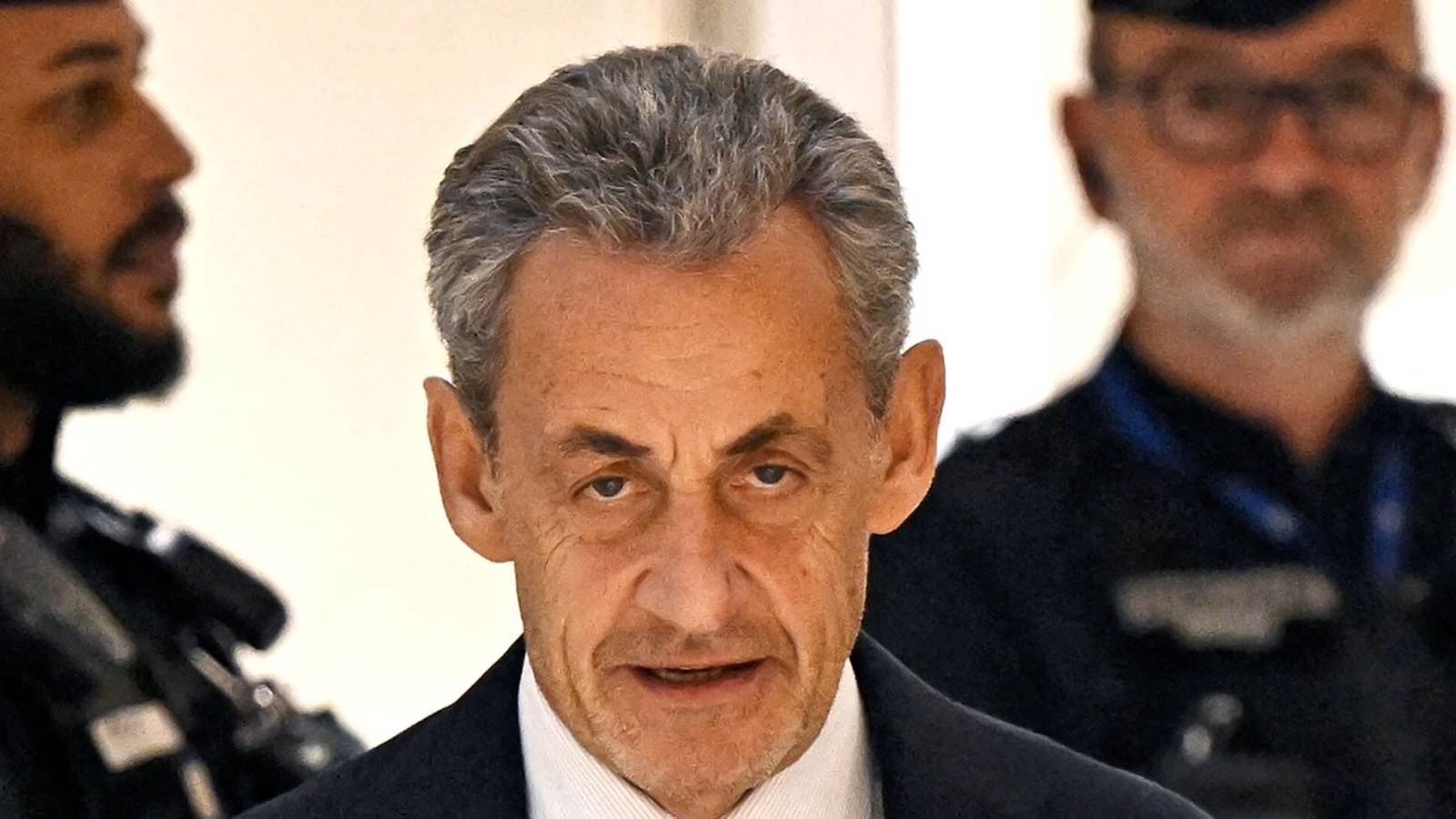
On a brisk Thursday morning in Paris, the city’s historic courthouse hummed with tension. Reporters, onlookers, and legal officials filled the chamber, their eyes not just on the defendant, but also on the elegant figure seated quietly beside him: Carla Bruni-Sarkozy. The singer, model, and former First Lady of France was present as her husband, Nicolas Sarkozy, received a five-year prison sentence for criminal association in a case that has gripped the nation—and much of Europe—for years. The verdict, delivered in an hours-long reading, was both dramatic and unprecedented: Sarkozy is to be incarcerated even if he appeals, though the date remains undecided, sparing him the immediate humiliation of a walk to jail.
The Scandal That Shook a Presidency
The charges against Sarkozy stem from a tangled web of allegations: between 2005 and 2007, he and close associates were accused of seeking Libyan funds to support his 2007 presidential campaign. Prosecutors alleged a “corruption pact” with Gadhafi’s regime, casting a shadow over France’s diplomatic history with Libya. The court found Sarkozy guilty of criminal association, though acquitted him of passive corruption, illegal campaign financing, and concealment of embezzlement. Notably, the judges acknowledged that while his associates may have sought Libyan money, there was no definitive proof that those funds actually supported the campaign. Still, French law is clear—a corrupt scheme is a crime, even if money isn’t proven to have changed hands.
Sarkozy’s defense was unyielding. Throughout the three-month trial, he denounced the case as politically motivated and built on forged evidence. In the courtroom, he stood as the verdict was read, flanked by his wife and his three adult sons, embodying a family under siege, but steadfast. Reuters and NBC News report that Sarkozy continues to deny all wrongdoing, maintaining that the accusations are retribution for his role in Gadhafi’s downfall during the Arab Spring.
Bruni-Sarkozy: The Public Face of Private Loyalty
Carla Bruni-Sarkozy’s presence at her husband’s side was not just a gesture of support—it was a statement. Since their marriage in 2008, Bruni-Sarkozy has been an influential figure in French culture and public life. Her career as a singer and model preceded her role as First Lady, but it is her unwavering loyalty during Sarkozy’s legal battles that has captured the public’s attention. In times of crisis, the image of Bruni-Sarkozy—composed and resolute—has become a symbol of personal allegiance amid public scrutiny.
Her involvement in the saga has not been limited to silent solidarity. Both she and Sarkozy have faced preliminary charges in a separate investigation concerning alleged witness tampering, focused on attempts to pressure Ziad Takieddine, a key figure who claimed to have delivered cash from Tripoli, only to later retract his statement. That case has yet to reach trial, but it underscores the ways in which Bruni-Sarkozy’s life has become entwined with the complexities of French politics and justice.
The Intersection of Celebrity and Power
France has long been captivated by the fusion of glamour and governance, and the marriage of Carla Bruni and Nicolas Sarkozy exemplifies this blend. Their partnership, forged at the apex of Sarkozy’s presidency, brought together two worlds—entertainment and politics—that often operate in parallel but rarely intersect so visibly. Bruni-Sarkozy’s artistic achievements have given her an independent platform, and her presence in the courtroom was a reminder that personal relationships can shift the narrative of even the most public scandals.
Yet, the burden of association is heavy. As Sarkozy’s legal troubles have mounted—from the Libya case to convictions for influence peddling and illegal campaign financing—Bruni-Sarkozy has found herself in the crosshairs of public opinion. The stripping of Sarkozy’s Legion of Honor medal and his series of convictions have not only affected his legacy but have also impacted how Bruni-Sarkozy is perceived. Still, she remains an active figure in cultural circles, her own reputation tested but not undone by the turbulence surrounding her husband.
Legacy, Loyalty, and the Future
The Sarkozy case, with its dramatic courtroom twists and international intrigue, is far from over. Appeals are pending, separate investigations continue, and the legacy of the $1 remains contested. For Carla Bruni-Sarkozy, the journey is equally unresolved. Her role as a spouse, artist, and public figure places her at the crossroads of France’s fascination with scandal and redemption.
The trial has illuminated not just the intricacies of campaign financing and diplomatic maneuvering, but also the human stories at their core. In a country where celebrity and politics are deeply intertwined, Bruni-Sarkozy’s steadfast presence is a reminder that behind every public controversy lies a network of personal loyalties and private costs.
As France debates the implications of Sarkozy’s conviction—what it means for the rule of law, for political accountability, and for the country’s reputation abroad—Carla Bruni-Sarkozy continues to move through the storm with a quiet resilience. Her journey is emblematic of the tension between public expectation and private reality, a narrative as compelling as any in contemporary French history.
Carla Bruni-Sarkozy’s presence throughout her husband’s legal battles highlights the enduring influence of personal relationships in the public sphere. In the face of scandal, her loyalty offers a counterpoint to the relentless churn of political drama—a reminder that the story of power is also the story of those who stand beside it.