


Operational Volatility at Europe’s Key Gateway
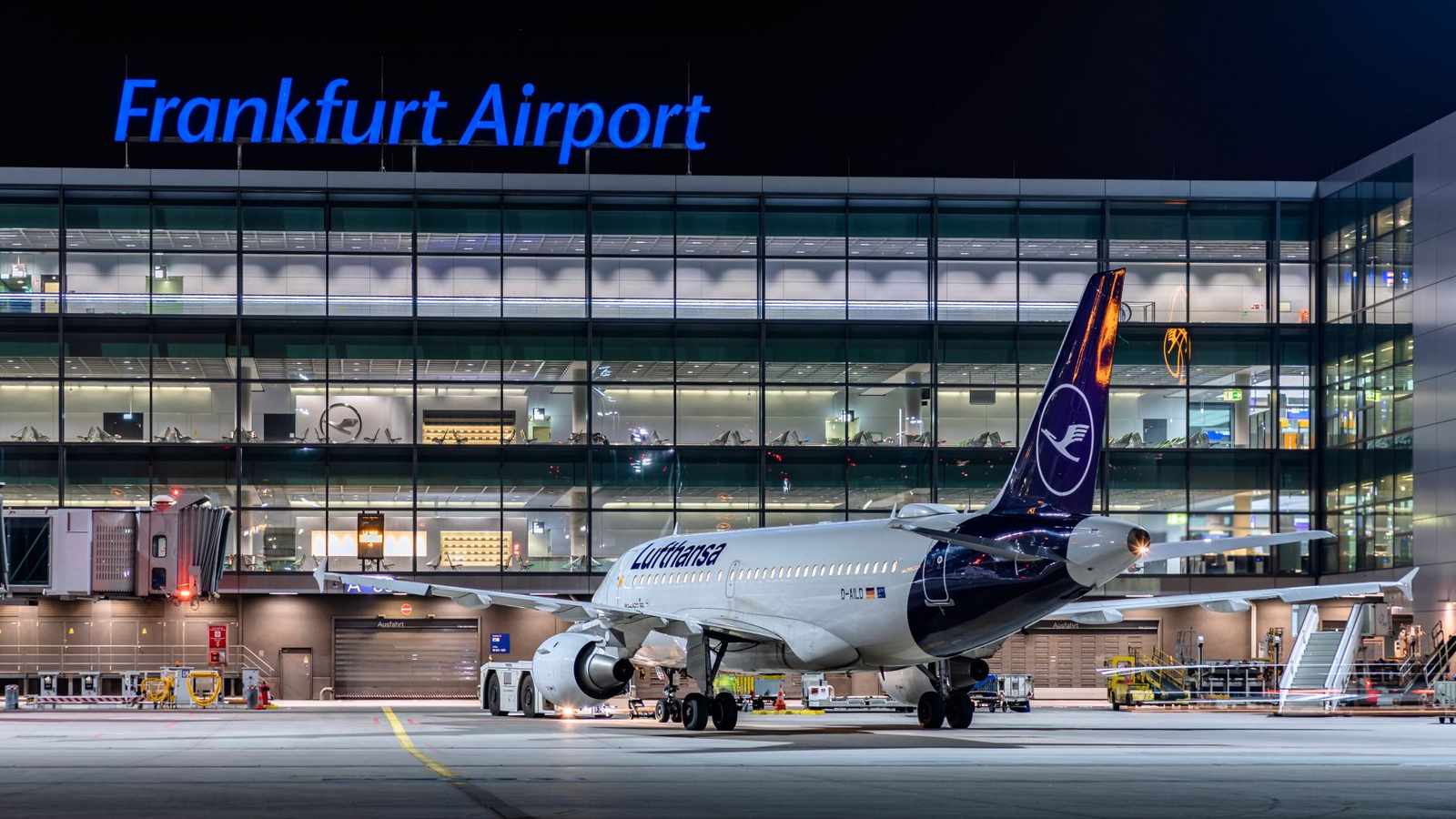
Frankfurt International Airport, a cornerstone of European aviation and the primary hub for Lufthansa, faced significant operational instability on Tuesday, May 26, 2026. Data tracking indicates that 171 flights were delayed and two were cancelled, creating a ripple effect that extended well beyond Germany. Major international carriers, including Lufthansa, Condor, American Airlines, and Emirates, reported disruptions on routes connecting to high-traffic hubs such as Dubai, New York, and Istanbul.
The latest incident highlights a persistent lack of resilience in the current aviation landscape. Even in the absence of industrial action, the combination of high aircraft utilization rates and tightly scheduled connection banks leaves little margin for error. When inbound flights are delayed, the resulting domino effect disrupts the subsequent rotation of crews and aircraft, particularly during the afternoon and evening peak hours.
Systemic Vulnerabilities and Network Effects
Lufthansa, which maintains a dominant position at Frankfurt, has struggled throughout 2026 to stabilize its network following a series of labor disputes and structural schedule reductions. While the airline has attempted to mitigate these risks by trimming its summer timetable, the system remains fragile. As noted by aviation analysts, the interdependency of modern airline alliances means that a single delay at a major hub like Frankfurt can quickly reverberate across global networks, affecting long-haul operations to North America and the Middle East.
The impact is exacerbated by the logistical constraints of Frankfurt’s infrastructure. With thousands of passengers relying on tight connection windows—often around one hour—even minor deviations in timing can lead to mass misconnections. On Tuesday, these systemic vulnerabilities were clearly visible as short-haul delays compounded into missed intercontinental departures, forcing airlines into reactive measures such as rebooking passengers on next-day flights or rerouting them through secondary hubs.
Passenger Rights and Mitigation Strategies
For travelers navigating these disruptions, the current environment necessitates a proactive approach. Aviation consumer advocates emphasize the importance of monitoring live flight data and utilizing airline applications for real-time updates. Under European Union passenger rights regulations, travelers affected by significant delays or cancellations may be entitled to compensation and assistance, provided the disruption falls under the airline’s control.
The persistent nature of these operational pressures suggests that the aviation sector in Germany is currently operating at maximum capacity with minimal redundancy. As Frankfurt continues to function as a critical link in the global transit network, the ability of carriers to implement more robust scheduling and ground handling protocols will be essential to preventing future cascading failures. Until such structural changes are realized, passengers should prepare for continued volatility and consider building additional buffer time into their international itineraries.