


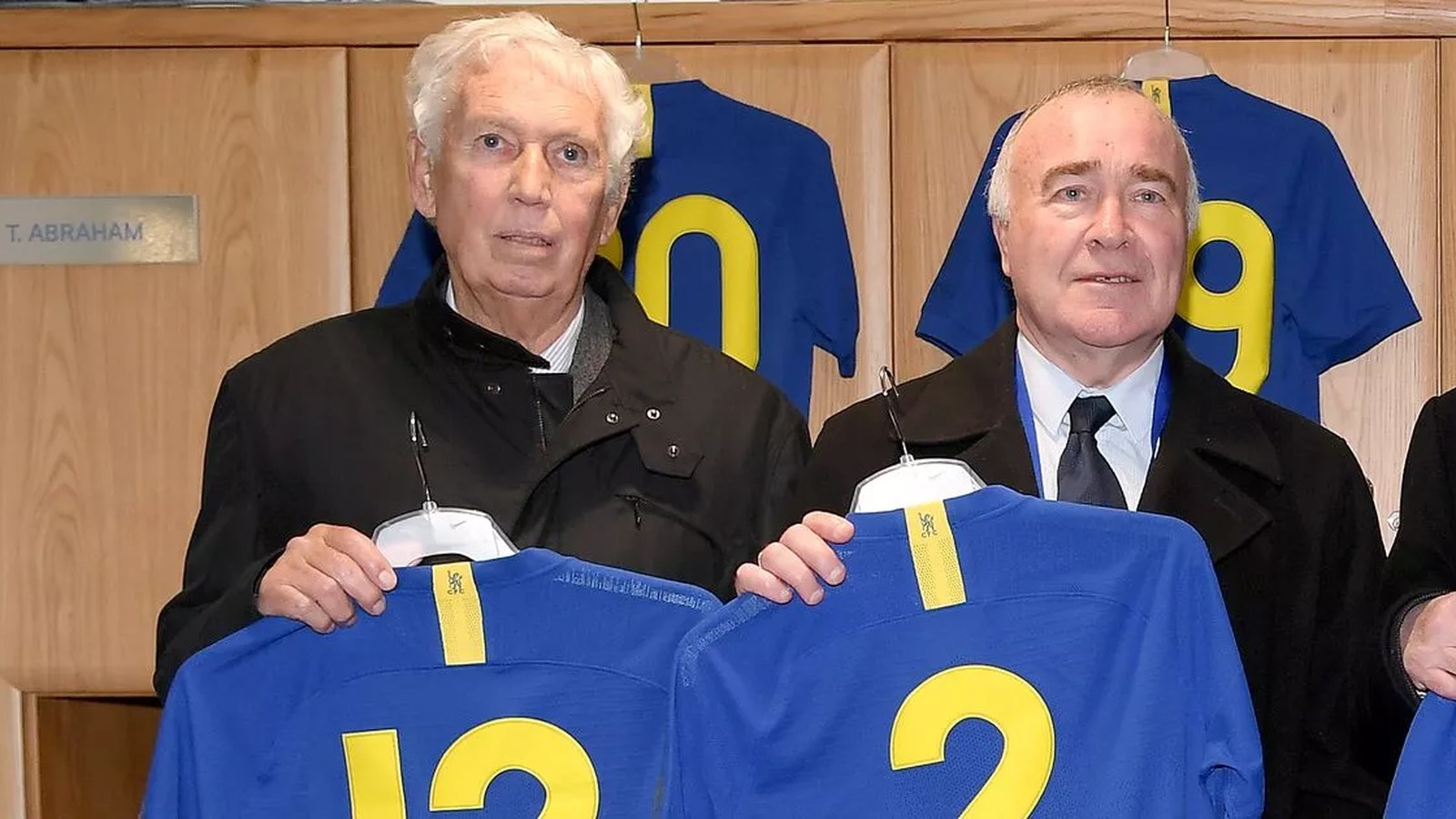
Marvin Hinton: The Man Who Changed Chelsea’s Defensive Game
On December 2, 2025, Chelsea Football Club announced the passing of Marvin Hinton, a player whose understated brilliance quietly shaped the club’s history. He died at the age of 85, leaving behind a legacy not measured merely in matches played or trophies won, but in the evolution of the defensive game itself.
From South London Roots to Stamford Bridge
Born in south London, Hinton’s journey began at Charlton Athletic, where he made 14 first-team appearances before his transfer to Chelsea in 1963. Manager Tommy Docherty saw something special in the young defender, making him the first signing after Chelsea’s promotion to the top division. The £30,000 fee was a statement of intent—and Hinton quickly proved his worth.
He spent 13 years at Chelsea, amassing 344 appearances and earning three major trophies: the 1965 League Cup, the 1970 FA Cup, and the 1971 Cup Winners’ Cup. Each medal tells a story, but perhaps none is more significant than the 1970 FA Cup win—the first in the club’s history. Hinton may have started on the bench in both the final and the replay, but he finished both matches on the pitch, part of the team that made history at Wembley and Old Trafford.
A Progressive Defender Ahead of His Time
Hinton was known as ‘Suave Marv’ and ‘Super Marv’—nicknames earned through his composed, intelligent style of play. In an era when defenders were expected to tackle hard and clear the ball at all costs, Hinton preferred to bring the ball down, pass, and recycle possession. “I would think it is no good just kicking it, I liked to pull it down and shuffle it, pass it, get it back again and then set them off,” he said in a reflective interview with Chelsea.
His tactical versatility allowed him to play across the backline—left-back, centre-back, and especially as a sweeper. The role of ‘free defender’ was still novel in English football, but Hinton’s ability to read the game and anticipate danger made him ideal for the position. As the Mirror noted in 1967, Chelsea’s defensive strategy began to revolve around Hinton’s sweeping coverage, a precursor to the modern ball-playing centre-back.
Highs, Lows, and Lasting Influence
While Docherty was an admirer, subsequent manager Dave Sexton favored more physical defenders. Hinton’s style wasn’t always appreciated in the changing tactical landscape, and at times he was overlooked in favor of newcomers like John Dempsey, Paddy Mulligan, and David Webb. Yet, his consistency and experience made him indispensable, especially when injuries struck the squad.
Off the pitch, Hinton’s career had its colorful moments. He was among those sent home for breaking curfew in Blackpool in 1965—a minor scandal that didn’t dent his standing with Docherty. He was named to Alf Ramsey’s provisional 40-man England squad for the 1966 World Cup, though he ultimately missed out on a place in the final 22 as England claimed the trophy.
As Chelsea evolved, so did Hinton’s role. By the mid-1970s, the club was in transition, and manager Eddie McCreadie made the difficult decision to move on from several veterans, including Hinton, in favor of youth. Hinton finished his playing career with a brief spell at Barnet before retiring in 1976.
A Legacy That Resonates Beyond Numbers
Marvin Hinton’s impact on Chelsea cannot be captured by statistics alone. He was present during the club’s first cup triumphs, helped introduce a more technical approach to English defending, and inspired generations of players who followed. In 2023, he returned to Chelsea’s Cobham training ground for a delayed 80th birthday celebration, delighting in the chance to watch the modern squad and reflecting on how his style might have fit into today’s game.
His passing prompted an outpouring of tributes from fans and former teammates. One supporter summed it up: “A true Chelsea legend. Sending strength to his family and everyone at the club. Rest in peace Marvin.” Another recalled, “One of the best left backs in football history, Rest In Peace Legend.”
The cause of death was not disclosed, but the memories of Hinton’s footballing artistry endure. He showed that defending could be as much about intelligence and composure as it was about physicality—a lesson still relevant in modern football.
Marvin Hinton’s story reminds us that greatness in sport often lies in subtlety, adaptability, and the courage to play differently. He leaves behind not just a record of achievement, but a blueprint for how defenders can influence the game beyond brute force—making him an enduring figure in Chelsea’s rich tapestry.