


The Upstream Chokepoint in Global Medicine Supply
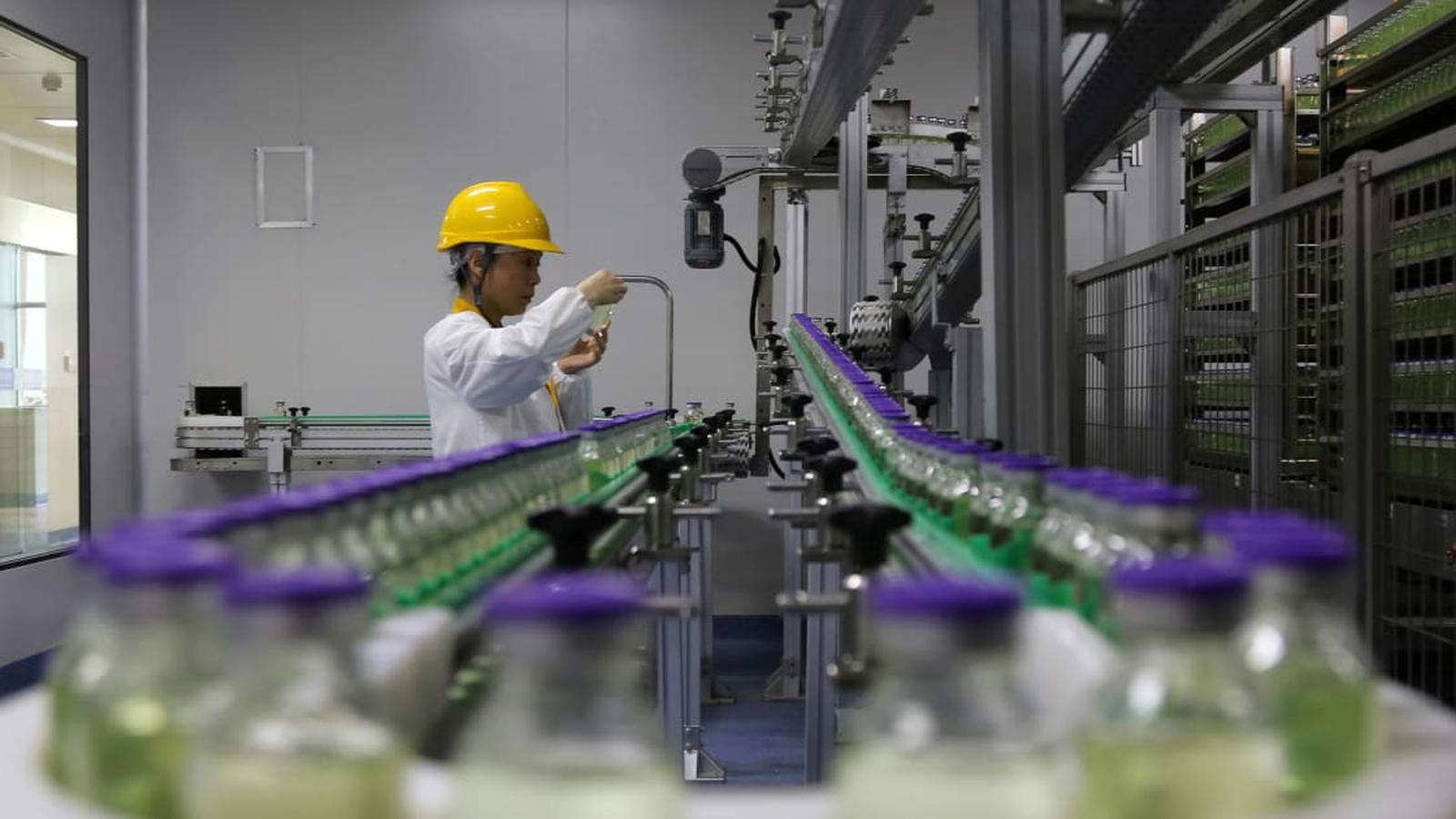
Decades of cost containment in Western health systems have left the United States and Europe deeply vulnerable to Chinese pharmaceutical dominance, according to a report published by the Council on Foreign Relations. While public attention often focuses on finished drugs, the most critical risk sits further upstream in active pharmaceutical ingredients (APIs) and the basic chemical building blocks required to manufacture them.
For essential medications such as metformin, a widely prescribed diabetes drug, roughly one-third of the supply relies on Chinese ingredients. However, when tracing the chemical precursors back to their earliest stages, exposure surpasses four-fifths. Antibiotics including amoxicillin and cefpodoxime follow a similar trajectory, exposing a structural chokepoint that neither transatlantic tariffs nor unilateral onshoring efforts have resolved.
Transatlantic Pressures and the Tariff Dilemma
The strategic challenge escalated when Washington introduced tariffs of up to 100 percent on imported patented medicines and their core ingredients, capping European products at 15 percent. Generic drugs remain temporarily exempt pending a crucial review. According to the analysis, these unilateral measures risk backfiring by raising production costs for allied manufacturers and eroding political backing in European capitals for coordinated supply chain security.
Despite these pressures, Europe retains critical manufacturing assets that North America lacks. Austria hosts the Western world’s last large-scale, fully integrated penicillin production facility, while the United States maintains no domestic capacity for penicillin ingredients or core precursors. Consequently, European regulators approach Washington not as supplicants, but as potential co-suppliers of strategic health security.
Practical Steps for Transatlantic Resilience
Experts argue that transatlantic partners should bypass contentious tariff negotiations and begin with measures that require minimal political trust. Initial priorities include joint mapping of upstream supply flows through bodies like the European Health Emergency Preparedness and Response Authority alongside U.S. counterparts. Additionally, NATO should incorporate demand stress-testing for antibiotics, analgesics, and anesthetics under mobilization conditions into its core resilience framework.
Long-term security will ultimately require coordinated demand—such as long-term purchase commitments that help western manufacturers bridge the 40 percent price gap with Chinese alternatives. However, analysts warn that Europe must safeguard its regulatory and pricing autonomy rather than trading one dependency for another under mounting trade pressures.