


Executive Teasers and the Developer Pitch
Leadership across Microsoft’s Windows and Devices divisions have used social media to build anticipation for the San Francisco gathering. Pavan Davuluri, who leads Windows and Devices, posted that he is looking forward to sharing what the team has built. Marcus Ash, CVP of Design and Research, was more direct, telling builders and creators that the team has been busy assembling what comes next.
The event’s official YouTube listing promises a deep dive into new experiences designed for developers and power users. While company officials have clarified that no new major operating system version such as Windows 12 will debut, the spotlight remains firmly on developer-centric tooling, local-first AI workloads, and hardware optimization.
Modernizing the Interface and Ripping Out Legacy Code
Alongside heavy AI hardware integration, Microsoft is continuing its quiet campaign to purge decades-old Windows 95-era user interface elements from Windows 11 in favor of modern WinUI 3 controls. Preview builds indicate several long-overdue interface overhauls are in testing, including a dark-mode-compatible File Properties dialog, a modernized AutoPlay menu, and the conversion of Print Management into a standalone application rather than a legacy Microsoft Management Console snap-in.
Performance improvements are also front and center. Testing reveals that redesigned system dialogs, such as the Run utility, open measurably faster in current Insider builds. While these interface refinements may not serve as the primary marketing hook for the October showcase, they address long-standing user complaints regarding operating system consistency and speed.
RTX Spark and Advanced AI Execution
The technological centerpiece of the October 7 presentation is expected to be NVIDIA’s RTX Spark hardware platform and its deep integration with Windows 11. NVIDIA confirmed in promotional materials that it has collaborated closely with Microsoft on secure agent execution, intelligent resource scheduling, and Prism emulation performance.
Microsoft’s execution containers will allow users to run local AI agents safely by enforcing strict access boundaries regarding files and network resources. Additionally, Windows 11 features rebuilt task scheduling utilizing Workload Profile Scheduling across multiple Arm CPU cores, alongside unified memory management advancements that let users allocate substantial system memory directly to graphics and neural processing workloads.
Surface Laptop Ultra and Pricing Anticipation
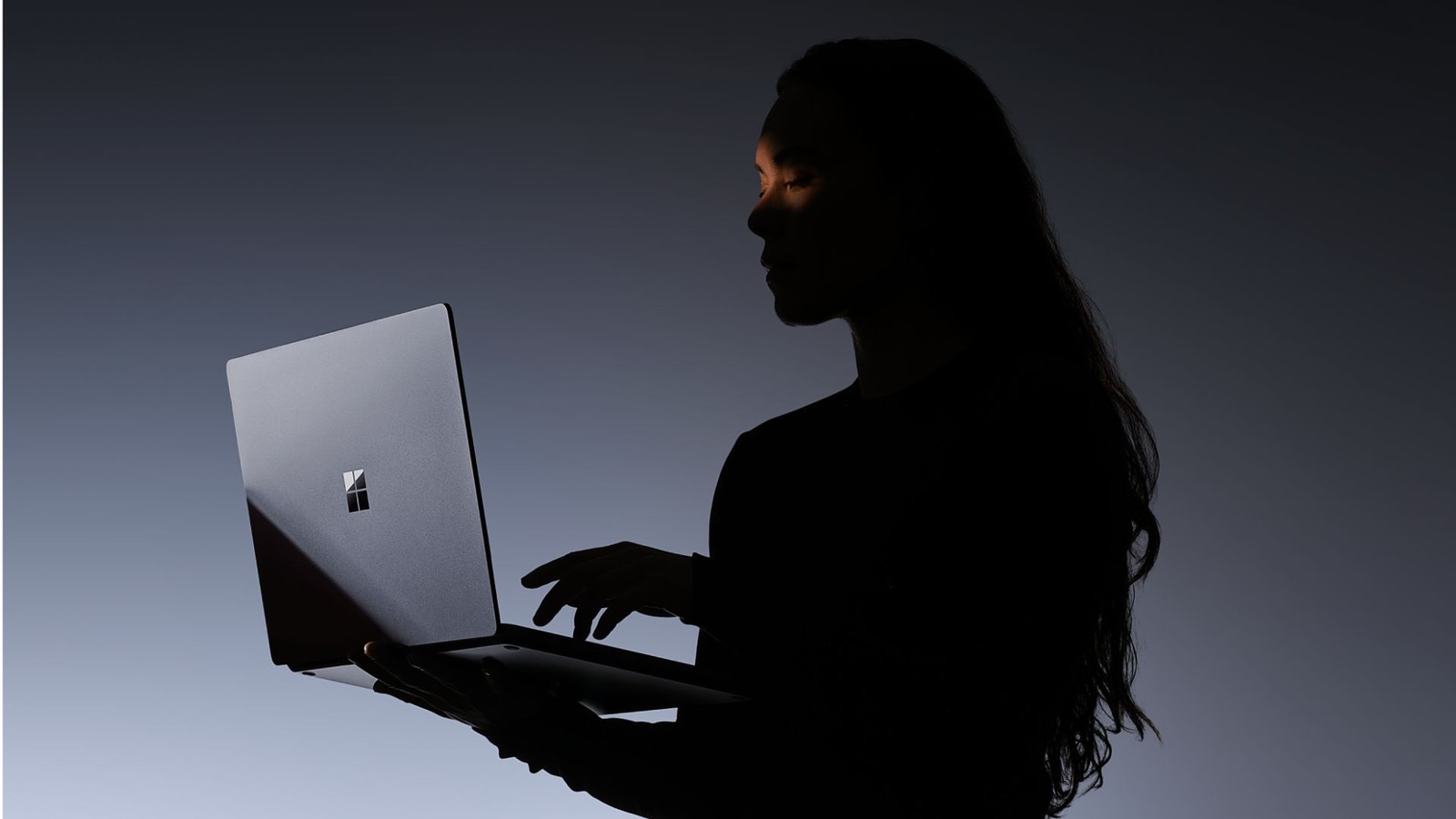
Hardware watchers will be tracking the anticipated pricing and final release details for the Surface Laptop Ultra, originally previewed by Microsoft in late May. Built around the RTX Spark architecture, the device features up to 128GB of unified memory, full CUDA support, a 15-inch mini-LED PixelSense Ultra display capable of 2,000 nits of peak brightness, and specialized compute capacity designed to handle large-scale local language models.
With component pricing and high-end RAM configurations facing market pressures, industry observers expect the Surface Laptop Ultra to target professional creators and enterprise developers. Lenovo’s upcoming Yoga Pro 9n series will also utilize the RTX Spark platform, signaling a broader industry push toward Arm-based personal computing tailored for demanding artificial intelligence tasks.