


Presidential Admission and Institutional Fallout
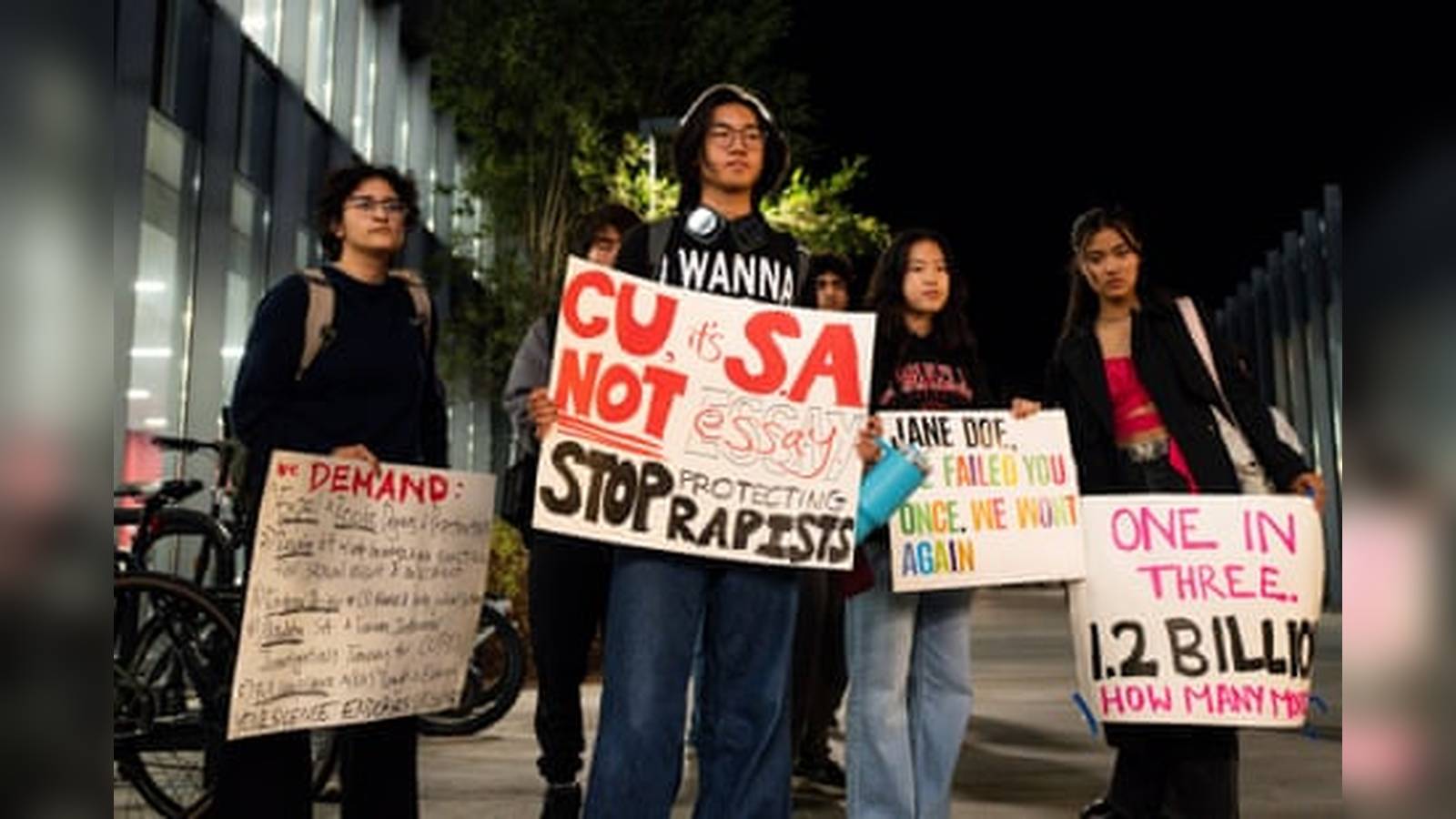
Cornell University President Michael Kotlikoff has officially acknowledged a critical breakdown in administrative oversight regarding a 2024 sexual assault report. In a candid interview, Kotlikoff admitted that while he was aware of the initial report filed by a student—identified as “Jane Doe” in court documents—he failed to follow up on her status or recognize that she had withdrawn from the university as a result of the incident. This revelation marks a significant escalation in the ongoing crisis surrounding the institution’s handling of sexual misconduct allegations involving the Chi Phi fraternity. The disclosure follows months of mounting pressure and a recent civil lawsuit filed by the survivor, which has forced the university into an uncomfortable public reckoning.
The controversy stems from an October 2024 incident in which the student accused seven members of the Chi Phi fraternity of sexual assault, specifically alleging that she was drugged with ketamine and assaulted during a party. While the university conducted an internal investigation that resulted in various disciplinary actions—including the expulsion of two students, the suspension of two others, and an order barring a graduate from campus—the survivor subsequently filed a civil lawsuit alleging institutional failure. Kotlikoff stated he was “personally sorry” for the harm caused, acknowledging that the campus community has lost trust in the administration’s ability to protect its students. He noted that he was not fully aware of the extent of the investigation’s findings until reports surfaced in the media, a claim that has drawn criticism from legal experts who argue that a president should have access to such critical Title IX files.
Systemic Reforms and Increased Scrutiny
In response to the mounting public outrage and the threat of a faculty vote of no confidence, the university has implemented a series of immediate reforms. President Kotlikoff announced that all social events and parties at Interfraternity Council-affiliated houses are suspended for the remainder of the 2026-27 academic year. According to reporting, the university has also adopted a “zero-tolerance” policy, where any violation of the party ban will trigger an immediate emergency suspension of the fraternity chapter. These measures are described as a “first step” toward addressing a broader campus culture of excessive drinking and drug use, which officials acknowledge has contributed to an unsafe environment for students.
Beyond the immediate restrictions, the university is overhauling its investigative framework. Cornell has committed to partnering with the New York State Police to provide external expertise in sex crime investigations, effectively moving beyond the reliance on campus police for high-stakes allegations. Furthermore, a special committee of the Board of Trustees has retained former U.S. Deputy Attorney General Sally Yates to conduct a comprehensive independent review of the university’s policies on sexual harassment and misconduct. This review is intended to address systemic gaps in how the administration monitors student safety and responds to reports of violence. The board, led by Anne Smalling, has signaled its support for Kotlikoff, though the administration remains under significant pressure to prove that these external reviews will lead to meaningful change rather than bureaucratic delay.
The Broader Accountability Crisis
The pressure on Cornell’s leadership is intensified by external legal scrutiny. While the Tompkins County District Attorney previously declined to press criminal charges due to insufficient evidence, the office has announced plans to reopen the investigation. Additionally, New York Governor Kathy Hochul has appointed State Attorney General Letitia James as a special prosecutor to examine the claims. The involvement of state-level authorities highlights the severity of the allegations and the perceived inadequacy of the university’s initial internal processes. The intervention of the Attorney General is a significant development that underscores the state’s lack of confidence in the local handling of the case.
During his interview, Kotlikoff conceded that the administration’s lack of awareness regarding the survivor’s withdrawal was a significant failure of his executive oversight. He noted that if a student feels compelled to leave the university due to an unsafe environment or the outcome of an administrative review, the institution’s leadership must be informed. He admitted that he had not been aware the student had dropped out until the lawsuit was filed, a point that has fueled calls for his resignation. As the faculty senate prepares for a potential no-confidence vote, the university faces a difficult period of transition.
Looking Toward an Uncertain Future
The administrative crisis has rippled through the university’s outreach efforts as well. Admissions officials have reportedly contacted high school counselors to address concerns regarding the campus climate, acknowledging that prospective students and their families may have mixed feelings about Cornell. This effort to maintain institutional reputation in the face of scandal highlights the high stakes for the university’s long-term standing in the Ivy League. The university’s reliance on a mix of punitive measures, such as the party ban, and long-term reform, through the Yates investigation, suggests a desperate attempt to restore confidence.
Ultimately, the challenge for Kotlikoff is to balance the need for immediate, visible action with the long-term work of rebuilding a culture of safety. While he has expressed an intent to stay in his position and steer the university through the crisis, the combination of a looming no-confidence vote and the state’s special prosecutor investigation means that his tenure remains precarious. The community is watching closely to see if the promised reforms regarding Title IX enforcement and student advocacy will materialize into a safer environment or if the administration’s response will be viewed as too little, too late. For now, the administration must contend with the reality that trust, once broken, is difficult to restore in an environment where students feel their safety has been treated as a peripheral concern rather than a primary mandate.
Reporting source: theguardian.com.