


Administrative Action and Campus Reaction
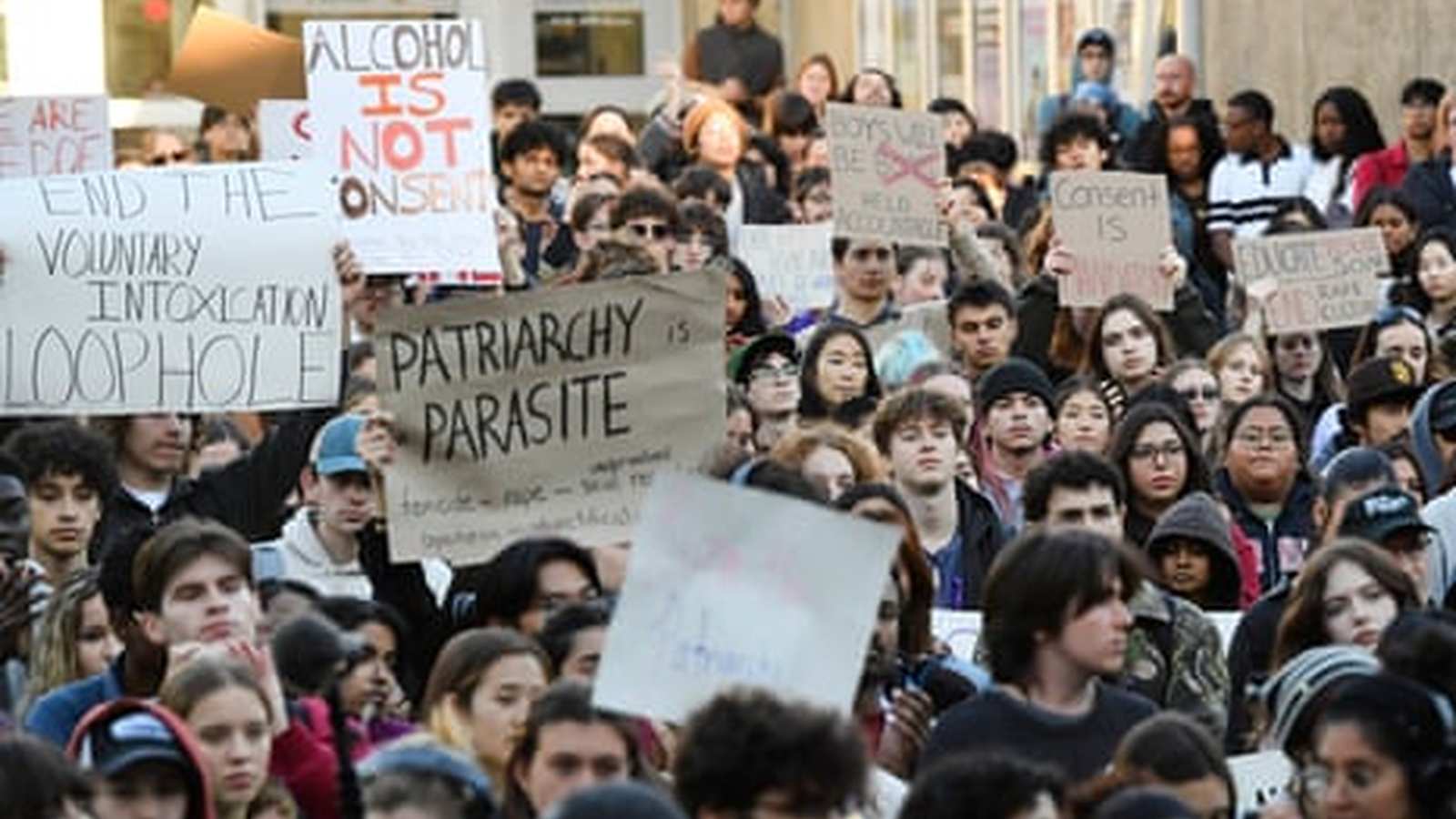
Cornell University has implemented a comprehensive moratorium on all social events and parties hosted at campus fraternity houses for the remainder of the 2026-2027 academic year. The decision, announced by President Michael Kotlikoff on October 13, arrives in the wake of a civil lawsuit filed by a former student, identified as “Jane Doe,” who alleges she was drugged with ketamine and gang-raped by seven members of the Chi Phi fraternity in October 2024, according to The Guardian. While the university has framed the ban as a necessary step to re-evaluate the safety and culture of Greek life, the move has catalyzed deep divisions within the student body.
The alleged incident, which took place two years ago, did not result in criminal charges at the time, a fact that has fueled significant public outrage and campus protests. Following the filing of the civil lawsuit, Cornell reopened its internal investigation in September 2026. President Kotlikoff’s letter to the community acknowledged the “deep connection and sympathy” felt toward the survivor and expressed a commitment to meaningful change, yet many students and activists remain skeptical of the administration’s motivations.
Systemic Reform vs. Institutional Scapegoating
The student response to the moratorium is starkly polarized. Some undergraduates, including those outside the Greek system, view the ban as an overdue acknowledgement of the risks associated with fraternity culture. However, a vocal segment of the student body, represented by groups such as Students for a Democratic Cornell (SDC), argues that the ban is a performative measure designed to protect the university’s reputation rather than address the root causes of sexual violence. Jack Huber, a member of SDC, characterized the moratorium as “purposefully manipulative,” suggesting that the administration is scapegoating fraternities to deflect from broader, systemic failures in the university’s disciplinary and judicial processes.
Critics of the current administration point to the university’s judicial system as the primary obstacle to true accountability. SDC is advocating for the reinstatement of an independent judicial system, similar to the one that operated on campus from 1969 to 2020. Proponents of this change argue that the current internal processes are opaque and inherently biased toward protecting the institution’s image, allowing instances of sexual violence to be minimized or ignored. For these activists, a one-year ban on parties does little to alter the structural issues that they believe enabled the 2024 incident to go unpunished.
The Legacy of the 2024 Incident
The controversy is compounded by the fact that the Chi Phi fraternity was already removed from campus in 2025, a development that many students feel was not adequately communicated to the wider community. For many, the recent revelations have highlighted a disconnect between the reality of student safety and the administration’s public-facing policies. As the university faces mounting pressure from both the legal system and student activists, the moratorium serves as a temporary pause in a much larger struggle over the future of campus governance.
The defendants named in the civil lawsuit have denied all allegations of wrongdoing. As the legal proceedings continue to unfold, the university remains under intense scrutiny. Whether the administration’s focus on Greek life will evolve into a broader structural reform of the student code of conduct and judicial oversight remains the central question for the remainder of the academic year. The administration’s ability to navigate this fracture will likely determine the long-term credibility of its commitment to addressing sexual violence on campus.