


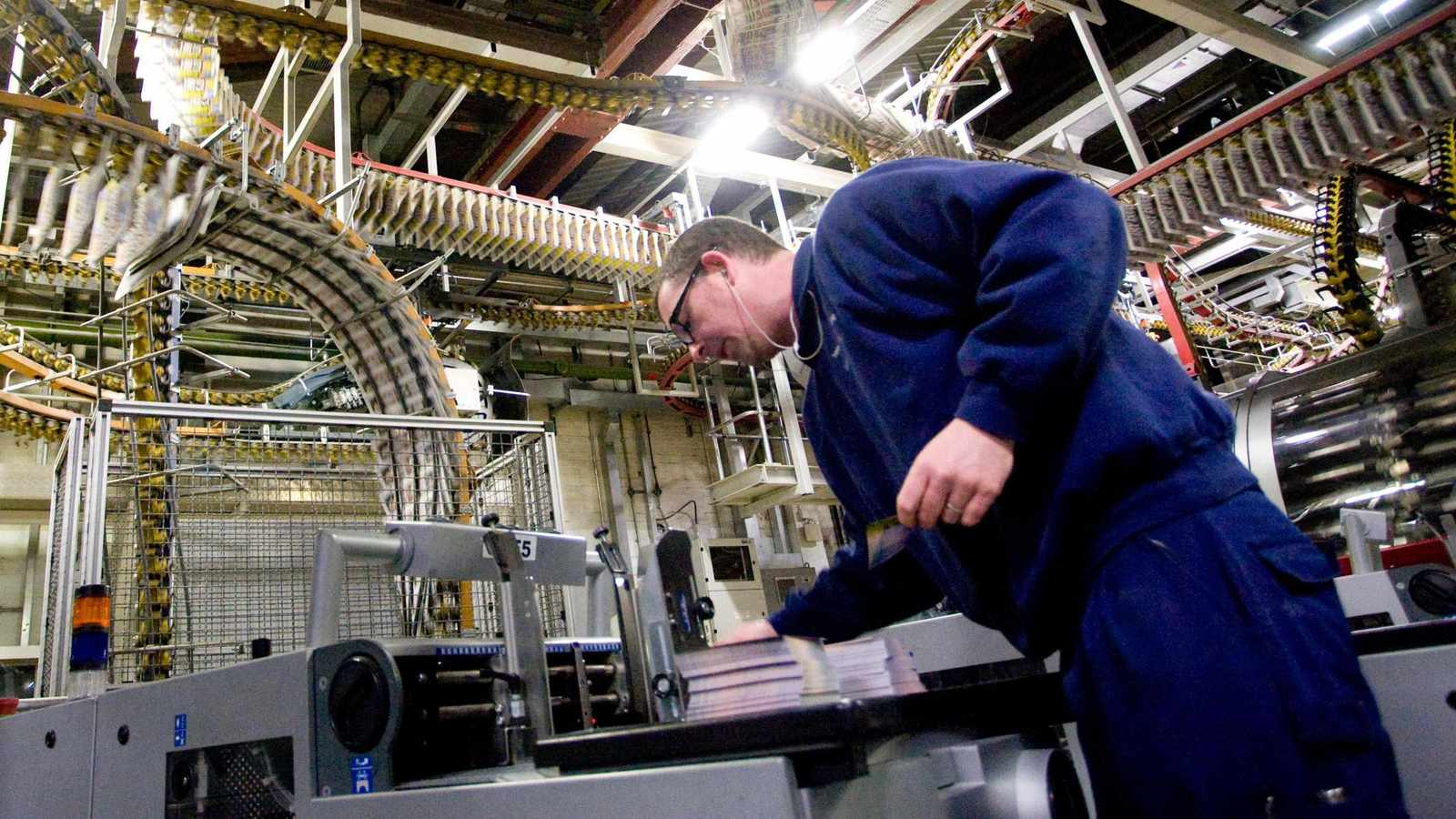
The final copies of the Daily Mirror have rolled off the presses at the historic Watford printing plant, marking the conclusion of nearly four decades of operation and a centuries-old local industrial tradition. The closure, first announced by parent company Reach PLC in February, signals a significant shift in the newspaper’s production strategy as it moves toward a commercial outsourcing agreement.
According to Reach, the printing of the Mirror will now be handled by Newsprinters in Broxbourne. While the company framed the decision as a necessary business move, Reach CEO Piers North acknowledged the “sense of gravitas” surrounding the final production day. North described the closure as a major moment for the team and for Watford, a town whose identity has been deeply intertwined with the printing industry since the early 19th century.
The Watford site on St Albans Road was once the largest printing facility in Europe, covering more than 17 acres. At its peak, the plant and its predecessors, such as Odhams and Sun Printers, employed thousands of local residents. The BBC reports that a small skeleton crew will remain on-site for several months to manage the safe decommissioning of the building.
The decision has faced criticism from the Unite union, which labeled the move “nonsensical,” arguing that the majority of Reach’s revenue still originates from its print operations. Meanwhile, local officials expressed concern for the workforce. Councillor Glen Saffery of the Watford Borough Council noted that many employees live within the town and face a difficult transition. The council has also pledged to use its powers to protect the building’s architectural features, including its iconic clock tower, which is a listed heritage asset.
Watford’s printing legacy dates back to the 1820s, with the town becoming a global leader in color reproduction by the early 20th century. The current site gained prominence in 1954 with the construction of Press Hall and later became part of Mirror Colour Print under Robert Maxwell in the 1980s. As the machinery stops, the town now shifts its focus toward preserving the physical history of an industry that once defined its economy.