


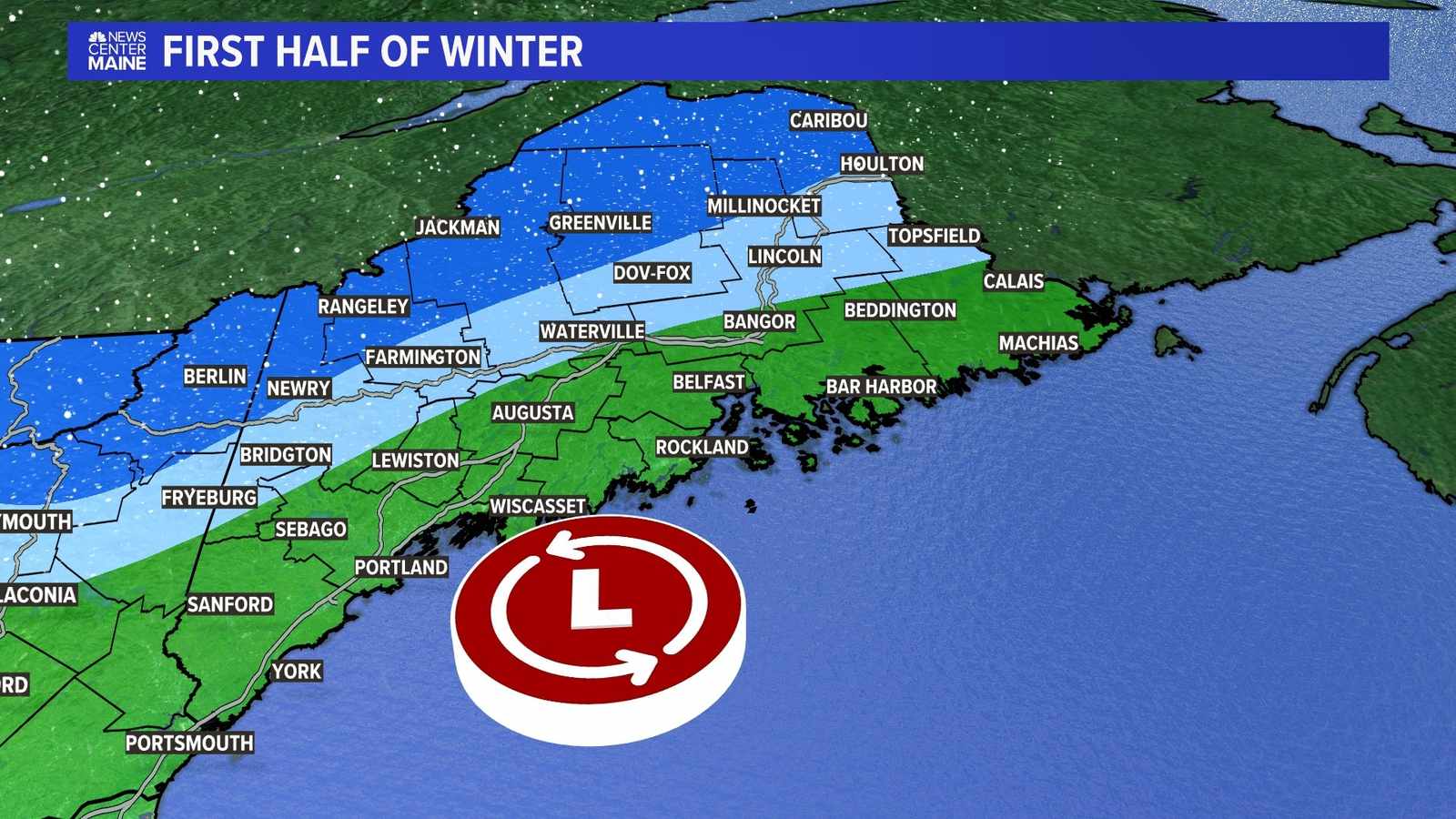
The Maine-based Farmers’ Almanac has released its long-range winter forecast for the 2026-2027 season, marking the publication’s first major seasonal outlook since its acquisition by new owners earlier this year. The forecast warns that the Northeast region is likely to experience a highly “complicated” winter, defined by rapid shifts between rain, sleet, and significant snowfall.
According to the publication’s forecaster, Caleb Weatherbee, the season will be characterized by extreme variability. Coastal regions face the prospect of increased mixed precipitation and rain, while inland areas are expected to encounter multiple rounds of heavy, wet snow, particularly during the peak winter months of January and February. The publication emphasizes that even minor fluctuations in storm tracks or local temperatures could drastically alter precipitation types, necessitating high levels of preparedness for residents and municipal services.
The Farmers’ Almanac, which has maintained operations in Maine since 1818, relies on a proprietary, secret formula that integrates sunspot cycles, lunar positions, tidal forces, and historical climate data. This traditional approach now intersects with modern meteorological consensus; the outlook aligns with the NOAA Climate Prediction Center’s projection of a strong El Niño, which is expected to drive warmer wind patterns through the end of 2026 and potentially into early spring 2027.
The volatility predicted by the almanac poses tangible risks for regional agricultural sectors. Unpredictable cold snaps and sudden temperature swings present significant challenges to crop production, potentially damaging winter-hardy varieties or disrupting early planting preparations. It is important to distinguish this Maine-based publication from the New Hampshire-based Old Farmers’ Almanac, as they remain separate entities with distinct editorial and forecasting methodologies.