


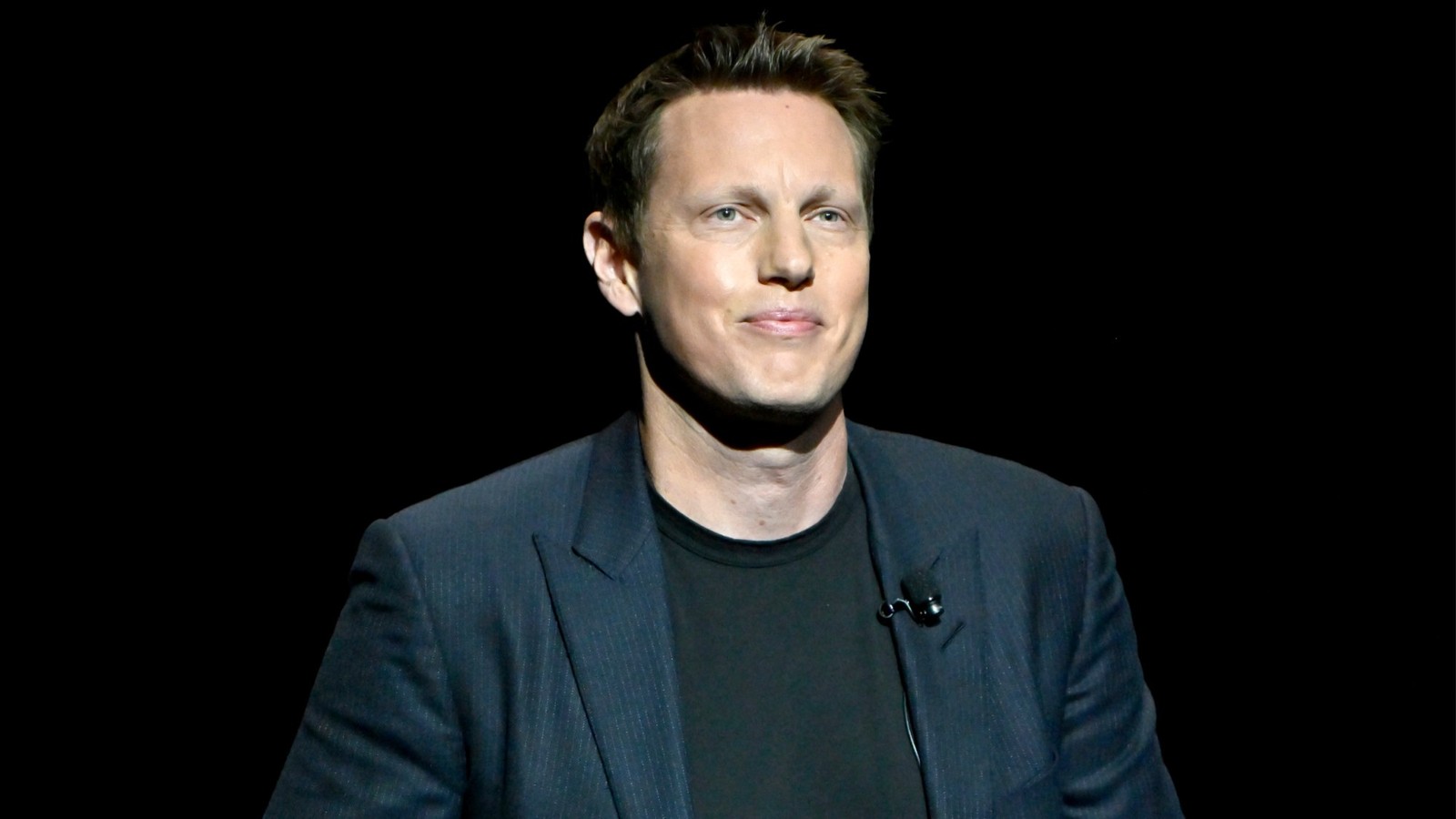
The multibillion-dollar media conglomerate formed by the mega-merger of Paramount and Warner Bros. Discovery will officially operate under the corporate identity of Skydance, as Variety reported. According to Variety, Chairman and CEO David Ellison confirmed that the combined enterprise will adopt the name of his original film production company, Skydance Media, while preserving Paramount and Warner Bros. as dedicated sub-brands to honor their century-long cinematic heritage.
The monumental transaction, valued at $111 billion, is scheduled to close on October 6, Variety reports. The merger consolidates two major Hollywood movie studios, the HBO Max and Paramount+ streaming platforms, and prominent television networks including CBS, CNN, MTV, TBS, Comedy Central, and the Food Network. Ellison asserted on social media that adopting the Skydance corporate banner equips the legacy brands with a powerful operational engine without overshadowing their historical identities.
Financial Restructuring and Governance Architecture
To finalize the takeover, the newly minted Skydance Corporation faces substantial financial obligations, with projected debt north of $80 billion resulting from past corporate mergers and new financing. Variety notes that Paramount is issuing approximately $42.4 billion in bonds alongside $8.5 billion and €850 million in fresh loans to fund the Warner Bros. transaction and retire existing debt. The corporation will transition its Class B Common Stock from Nasdaq to the New York Stock Exchange under the ticker symbol “SKYD” starting October 6.
Governance of the conglomerate will be overseen by David Ellison alongside his father, billionaire Oracle founder Larry Ellison, and RedBird Capital Partners founder Gerry Cardinale, as Variety outlines. Larry Ellison has personally guaranteed $46.7 billion in equity financing, while sovereign wealth funds from Saudi Arabia, Qatar, and the United Arab Emirates have committed roughly $24 billion, securing a collective 38.5% ownership stake in the combined entity.
Executive Leadership Shifts and Streaming Realignment
Executive restructuring is moving rapidly alongside the brand announcement. According to Variety, former Mattel chief Ynon Kreiz is joining the company as co-CEO on October 5. In the film division, Warner Bros. Motion Picture Group co-heads Mike De Luca and Pamela Abdy are departing following a rocky box-office run, with Paramount film executives Dana Goldberg and Josh Greenstein stepping in to oversee both historic movie studios, as detailed by Vulture.
On the streaming and television front, Variety reports that HBO head Casey Bloys is positioned to manage the combined streaming operations following Cindy Holland’s departure from Paramount+. Meanwhile, preliminary talks are underway with CNN chief Mark Thompson regarding his continued tenure, providing stability for news personnel navigating the shifting corporate hierarchy.
Analyzing the Strategic Shift: Brand Strategy and Consumer Impact
The choice to brand the parent corporation as Skydance rather than choosing a hybrid or legacy title marks a strategic departure from traditional Hollywood consolidation patterns. Industry observers have pointed out that while media giants like The Walt Disney Co. leverage a single consumer-facing corporate moniker, companies like Comcast or historical conglomerates often maintained obscure parent names while letting studio brands lead. By placing Skydance at the top of the corporate pyramid while utilizing Paramount and Warner Bros. as vibrant sub-brands, Ellison aims to shield the century-old studios from bureaucratic dilution.
This brand strategy allows the enterprise to present a unified corporate face to Wall Street while retaining the distinct consumer loyalty tied to decades of cinematic history. The visual identity released alongside the announcement underscored this hierarchy, featuring the Skydance logo flanked by iconic studio symbols, network identifiers like CNN and CBS, and platform marks including HBO Max and Paramount+. This architectural layout signals to consumers that familiar entertainment touchstones will continue to anchor their respective market segments without immediate disruption to daily viewing habits.
However, consumer impact will inevitably be felt as the underlying digital infrastructure integrates. The merger of HBO Max and Paramount+ under unified oversight led by Casey Bloys points toward a streamlined direct-to-consumer strategy designed to compete more effectively against dominant market players like Netflix. Subscribers navigating these platforms will experience the structural changes as content catalogs merge, pricing tiers adjust, and technical backends harmonize over the coming months. The success of this consolidation will rely heavily on whether the newly formed company can maintain subscriber retention while pruning overlapping operational expenditures.
Furthermore, the studio operations face intense scrutiny regarding output volume and financial discipline. Under the terms settled with state antitrust authorities, Skydance is committed to maintaining a robust theatrical slate, with Rentrak data indicating roughly 35 films scheduled for release next year. With Dana Goldberg and Josh Greenstein stepping in to direct the film divisions following the exits of Mike De Luca and Pamela Abdy, the studio is signaling a pivot toward tighter fiscal oversight after a turbulent theatrical window characterized by high-budget gambles and variable box-office returns.
As October 6 approaches, market participants will monitor the formal transition to the New York Stock Exchange under the ticker “SKYD” and observe how the staggering debt load is managed through newly issued bonds and loans. The combination of substantial Middle Eastern sovereign wealth backing, Larry Ellison’s personal equity guarantees, and experienced executive leadership under David Ellison and Ynon Kreiz sets the stage for one of the most consequential transformations in modern media history.