


Corporate Restructuring and the Stability of DC Studios
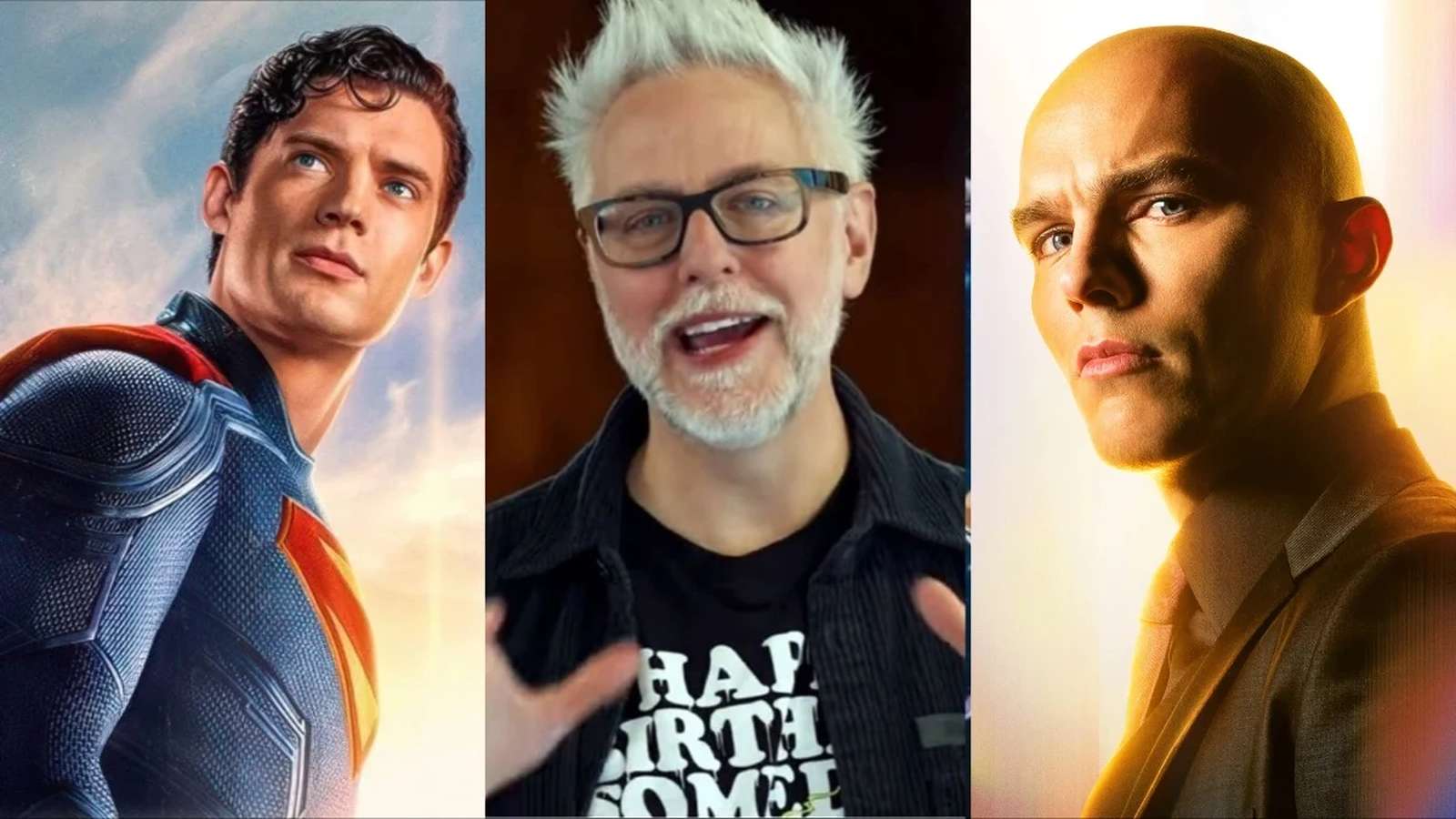
The massive $110 billion media consolidation deal between Paramount and Warner Bros., operating under the new Skydance banner, has triggered widespread executive departures across Hollywood. However, according to reports by IGN, DC Studios co-CEOs James Gunn and Peter Safran will remain in their positions, keeping their overarching creative vision for the DC Universe (DCU) intact for the immediate future. Rumors concerning an administrative shuffle had persisted for months as the corporate transaction moved through regulatory stages. Puck first indicated that both studio executives would be invited to stay on as management pieces came together behind the scenes, offering short-term stability to a cinematic slate that includes high-profile projects like 2025’s Superman and the upcoming television series Lanterns.
Adding direct weight to reports of the franchise’s continuation, James Gunn took to social media to celebrate the official announcement of the Skydance banner. Sharing the promotional trailer on Instagram, Gunn highlighted cuts featuring Paramount and Warner Bros. logos alongside scenes from Superman and Robert Pattinson’s The Batman. Quoting the promotional clip, Gunn wrote, “What once was the peak, is now just the beginning.” Forbes also confirmed the executive retention, noting that despite impending structural changes throughout Warner Bros. following the merger Nerdist, the current DCU slate and its multi-year roadmap will proceed without immediate disruption.
The Current Slate and Production Timeline
Gunn and Safran officially took over DC entertainment operations in 2022, and their current contracts are set to run through 2027. While their long-term future beyond contract expiration remains uncertain, the immediate production pipeline is moving forward aggressively. Following the box office performance of Superman and mixed commercial returns for Supergirl, the DCU is preparing for the Season 1 finale of Lanterns. The Green Lantern television adaptation has drawn critical praise, driven largely by central casting choices including Kyle Chandler as Hal Jordan and Aaron Pierre as John Stewart.
The theatrical schedule continues this month with the release of the Batman body horror spinoff Clayface, followed in July by the sequel Man of Tomorrow. Additional television projects, such as a planned series centered on Mr. Terrific, are also reportedly in active development. As the studio navigates its early operational challenges under new corporate ownership, the immediate continuity of the superhero franchise appears secure, though questions surrounding executive contract renewals will inevitably resurface as 2027 approaches.
Industry Context and Shifting Studio Landscapes
The merger between Paramount and Warner Bros. represents one of the largest corporate realignments in modern entertainment history, carrying profound implications for studio management, intellectual property pipelines, and overarching budgetary priorities. In an era where legacy media conglomerates face continuous pressure to streamline operations, reduce overhead costs, and optimize streaming profitability, transactions of this magnitude invariably introduce extensive organizational disruption. Executive departures and asset reevaluations are standard procedural elements when multi-billion-dollar entities combine under unified corporate umbrellas such as the newly formed Skydance structure.
Against this volatile backdrop, the decision to safeguard DC Studios provides a distinct counter-narrative of creative continuity. Industry analysts tracking the transaction noted that maintaining stability within established intellectual property silos helps mitigate risk during periods of overarching corporate integration. Because cinematic universes require immense planning horizons—often mapping production milestones several years in advance—abrupt leadership changes can destabilize ongoing visual effects pipelines, talent negotiations, and marketing trajectories. By securing the ongoing leadership of James Gunn and Peter Safran, the studio signals to investors and audiences alike that its near-term theatrical and television roadmap remains a protected priority despite broader corporate restructuring.
Evaluating the Multi-Year DCU Roadmap
The multi-year strategic framework established by Gunn and Safran since taking the helm in 2022 has been characterized by a calculated blend of interconnected storytelling and varied tonal experiments. Projects like the 2025 release of Superman established a foundational box office anchor for the shared universe, while subsequent entries have tested diverse genres and audience thresholds. The performance spectrum has varied: while initiatives like Superman achieved substantial commercial success, other projects such as Supergirl encountered more mixed commercial responses, prompting adaptive strategies across the studio’s development slate.
Simultaneously, the television landscape has yielded notable successes. The critical reception accompanying the rollout of Lanterns, anchored by the performances of Kyle Chandler and Aaron Pierre, demonstrates the viability of high-value episodic storytelling within the broader franchise ecosystem. Furthermore, returning properties and extensions—including recent seasons of Peacemaker and upcoming theatrical endeavors like the Batman spinoff Clayface and the July 2026 premiere of the Superman sequel Man of Tomorrow—illustrate a diversified production strategy. Additional developments, such as the reported series centered on Mr. Terrific and ongoing discussions surrounding potential crossover configurations with standalone properties like Robert Pattinson’s The Batman, indicate an expansive operational scope.
Nevertheless, structural variables persist as the studio looks toward the horizon. With Gunn and Safran’s current administrative agreements slated to run through 2027, the medium-term timeline is firmly locked in place, yet long-term governance beyond that expiration window remains an open question. Whether the co-CEOs elect to renew their contracts under the newly consolidated Skydance leadership will depend on how successfully the merged entity navigates its initial operational hurdles and creative alignments. For the present moment, however, the DCU maintains a clear runway to execute its planned productions, shielding its artists and production crews from the immediate administrative turbulence of Hollywood’s latest historic merger.