

Quick Read
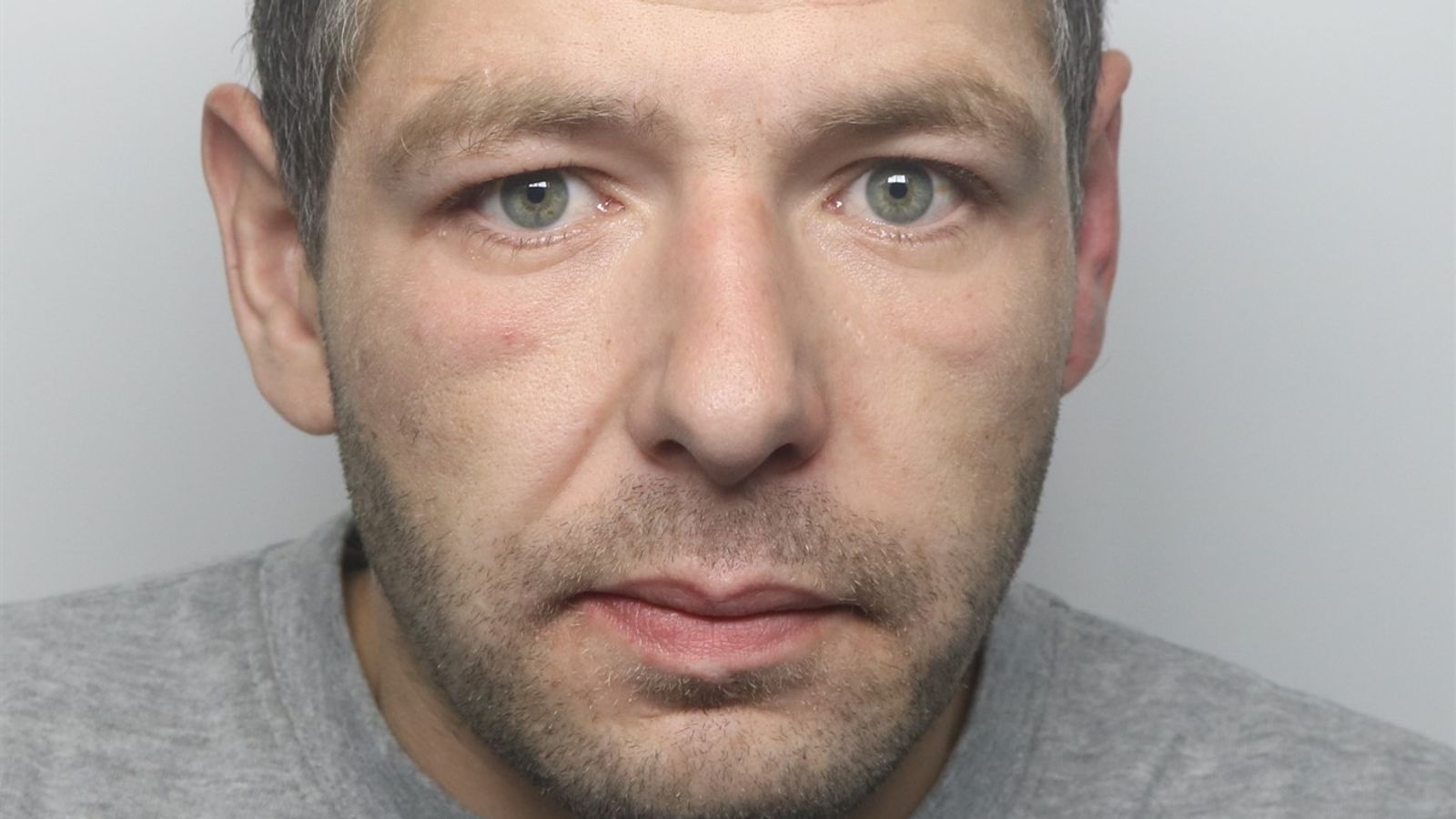
- David Taylor, age 63, is one of three inmates charged with the murder of Kyle Bevan at HMP Wakefield.
- Kyle Bevan was serving a life sentence for the murder of two-year-old Lola James in 2020.
- Bevan’s death follows a similar inmate-on-inmate killing at the same prison less than a month earlier.
- All three accused are due to appear at Leeds Magistrates Court as the police investigation continues.
Three Prisoners Charged After Death of Convicted Child Killer Kyle Bevan
On November 5th, the walls of HMP Wakefield, a high-security prison in West Yorkshire, witnessed yet another act of violence that has sent ripples through the UK’s criminal justice system. Kyle Bevan, a 33-year-old inmate convicted of the murder of his partner’s two-year-old daughter, Lola James, was found dead in his cell. Now, three fellow prisoners—Mark Fellows (45), Lee Newell (56), and David Taylor (63)—face murder charges, their names thrust into the national spotlight as questions swirl about safety, accountability, and the dark undercurrents of prison life.
Who is David Taylor?
David Taylor, now 63, is not a household name, but his involvement in this case has placed him front and center in a narrative fraught with pain and controversy. Alongside Fellows and Newell, Taylor was charged by West Yorkshire Police, with all three scheduled to appear at Leeds Magistrates Court. Their alleged victim, Kyle Bevan, had become notorious after his 2023 conviction for the brutal murder of Lola James in Haverfordwest, Pembrokeshire—a crime so severe that medical experts compared the child’s injuries to those suffered in a high-speed car crash.
Though details about Taylor’s personal background remain limited, his age and status as a long-term inmate at HMP Wakefield suggest a life marked by institutionalization. The charges against Taylor, Fellows, and Newell raise uncomfortable questions: what drives violence within prison walls, especially against those convicted of heinous crimes? Is there a code of conduct among inmates, or is it simply the law of the jungle?
The Death of Kyle Bevan: A Case That Shook the Nation
Kyle Bevan’s story is one of tragedy, abuse, and relentless public scrutiny. In 2020, Bevan moved into the home of Sinead James, Lola’s mother, just days after meeting her on Facebook. Within months, Lola was dead. The child suffered 101 injuries, including catastrophic trauma to her brain. Bevan denied responsibility, claiming Lola had fallen down the stairs after being jumped on by the family dog. However, the evidence told a different story: medical experts testified that her injuries were consistent with those seen in car crash victims, and the court found Bevan guilty.
Sinead James herself was sentenced to six years for causing or allowing the death of her daughter. During the trial, she described Bevan as a «monster» who «needs to rot in hell»—words that resonated across the UK and added emotional weight to the subsequent events at HMP Wakefield.
Bevan’s notoriety as a child killer arguably made him a target in prison, where those convicted of crimes against children often face heightened risks. The circumstances of his death—found dead in his cell, with three inmates charged—have prompted renewed calls for improved inmate protection, especially in high-profile cases.
Violence and Vigilante Justice in Prison
The murder of Kyle Bevan is not an isolated incident at HMP Wakefield. Less than a month earlier, the prison was rocked by the fatal stabbing of Ian Watkins, former Lostprophets frontman and convicted paedophile. Watkins’ death, like Bevan’s, involved fellow inmates, further highlighting the dangers faced by those whose crimes elicit particular contempt.
For David Taylor and the other accused, their alleged actions—if proven—reflect a grim reality: within prison, some inmates take justice into their own hands. Is this a symptom of a failing system, where rehabilitation is overshadowed by retribution? Or does it signal a deeper problem, where violence is not only tolerated but, in some cases, tacitly encouraged?
The authorities have remained tight-lipped. A Prison Service spokesperson confirmed Bevan’s death but declined further comment while the investigation continues. Meanwhile, the public is left to grapple with the uneasy truth that prisons, designed to house and rehabilitate, can also incubate cycles of violence and revenge.
Legal Proceedings and the Road Ahead
As Mark Fellows, Lee Newell, and David Taylor stand before the magistrates, the wheels of justice turn slowly and methodically. The police investigation will seek to establish motive, means, and opportunity. For Taylor, at 63, the stakes could not be higher. If convicted, he faces the prospect of spending the remainder of his life behind bars—a fate shared by many who enter the prison system late in life.
Public reaction has been mixed. Some see the murder of Bevan as a form of vigilante justice, a grim consequence for those who commit the worst crimes. Others argue that the state’s responsibility is to ensure the safety and rights of all prisoners, regardless of their past. This tension between moral outrage and legal principle is not new, but each high-profile case brings it back into sharp focus.
For the families involved—those of Bevan, Lola James, and now the accused—the legal process is just one chapter in a much longer story of grief and reckoning.
Wider Implications: Prison Safety and Reform
The deaths of Bevan and Watkins at HMP Wakefield have reignited debates about prison safety, especially for inmates convicted of crimes against children. Are current protective measures sufficient? How do authorities balance the need for security with the realities of overcrowding, understaffing, and the psychological toll of incarceration?
Advocates for prison reform argue that these incidents reflect systemic failures—failures that put both inmates and staff at risk. Critics, meanwhile, point to the culture of silence and the unwritten codes that govern inmate behavior, suggesting that more needs to be done to address the root causes of prison violence.
Ultimately, the case of David Taylor and the murder of Kyle Bevan offers a stark reminder: justice, safety, and humanity are not guaranteed behind prison walls. As the investigation continues, the UK faces tough questions about how to protect the vulnerable, hold the guilty accountable, and prevent future tragedies.
David Taylor’s involvement in the murder case at HMP Wakefield is emblematic of deeper issues within the UK’s prison system. While public outrage over crimes like Bevan’s is understandable, the principle of due process and prisoner safety must remain paramount. This case forces a re-examination of how justice is served—and protected—in environments where law and order can quickly unravel.