


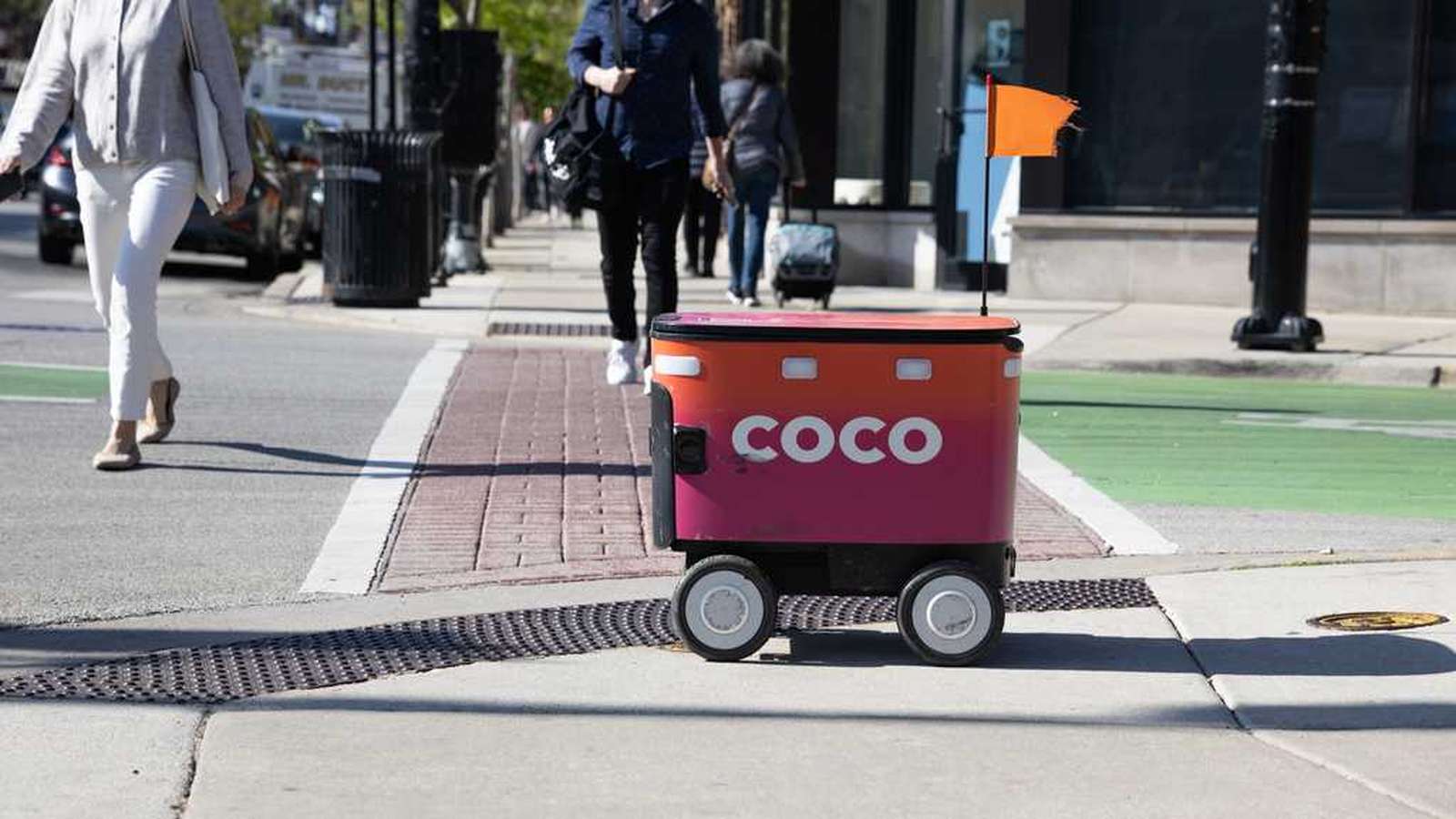
CHICAGO — Two Chicago customers filed separate class-action lawsuits in Cook County court against delivery robot operators Coco Robotics and Serve Robotics, accusing the companies of violating Illinois’ Biometric Information Privacy Act by scanning customers’ faces, heads, and hands without consent, according to reporting by ABC 7 Chicago. The complaints allege that sidewalk delivery machines utilized onboard cameras and LiDAR sensors to capture physical measurements as individuals approached to retrieve food and grocery orders, storing the data and sharing it for artificial intelligence training. Both companies strongly disputed the allegations, stating that their technology is designed exclusively for safe navigation rather than individual identification or biometric profiling, and that they do not collect biometric data from users or passersby.
Legal Claims and Alleged BIPA Violations
The lawsuits center on statutory requirements under the Illinois Biometric Information Privacy Act (BIPA), a 2008 law requiring companies that collect biometric identifiers—such as scans of face or hand geometry—to provide written notice, obtain explicit written consent, and maintain strict data retention and destruction policies. According to Chicago Sun-Times, plaintiff Mitchell Breidinger alleged that after ordering groceries through DoorDash in September 2025, his order was assigned to a Coco robot without his choosing. When he stood close to the machine to enter an access code, the robot’s cameras and LiDAR sensors allegedly recorded his face, head, and hands while a remote operator watched live video.
Similarly, plaintiff Barry Schain alleged he received three deliveries from Serve Robotics devices, most recently on October 4, after an Uber Eats order was assigned to a robot against his preference. Both complaints allege that the companies retain video and sensor data to train artificial intelligence systems, with Schain pointing to Serve’s disclosures regarding licensing data to third parties, and Breidinger alleging that Coco shared robot-collected data with OpenAI and other entities.
Corporate Denials and Technology Defense
Spokespersons for both robotics firms rejected the legal challenges. A Coco Robotics spokesperson told ABC 7 Chicago that the lawsuit fundamentally misunderstands their technology and that the company has not collected biometric data in Chicago. The spokesperson stated that the shared data consists solely of navigational metrics intended to make sidewalks safer, noting partnerships with accessibility navigation apps such as BlindSquare while emphasizing that data from the beginning and end of delivery trips is excluded from sharing.
Similarly, a Serve Robotics spokesperson maintained that the company’s machines use cameras and sensors strictly for safe sidewalk navigation. The spokesperson emphasized that Serve does not use the data to identify individuals, noting that their systems are neither designed to identify people nor to create biometric profiles. The lawsuits seek statutory damages ranging from $1,000 per negligent violation to $5,000 per intentional or reckless violation.
Broader Context of Chicago’s Sidewalk Robot Program
The litigation arrives amid heightened public scrutiny and political friction surrounding Chicago’s delivery robot pilot program, which was launched in 2022 under former Mayor Lori Lightfoot and is overseen by the Chicago Department of Transportation and the Department of Business Affairs and Consumer Protection. Coco began operations in late 2024, followed by Serve Robotics in September 2025. The pilot framework is scheduled to expire in May 2027 unless the City Council grants an extension.
Residents and local officials have increasingly pushed back against the devices, citing sidewalk blockages, accessibility barriers for disabled pedestrians, and surveillance concerns. More than 4,500 people have signed a petition started by resident Josh Robertson calling for a program pause, public hearings, and stricter municipal rules. Political opposition has also surfaced at City Hall, where local aldermen have rejected proposed ward expansions following negative resident survey results, while physical incidents—including collisions with bus shelters and an online-viral video of robots stuck in a circle—have further fueled public debate.