


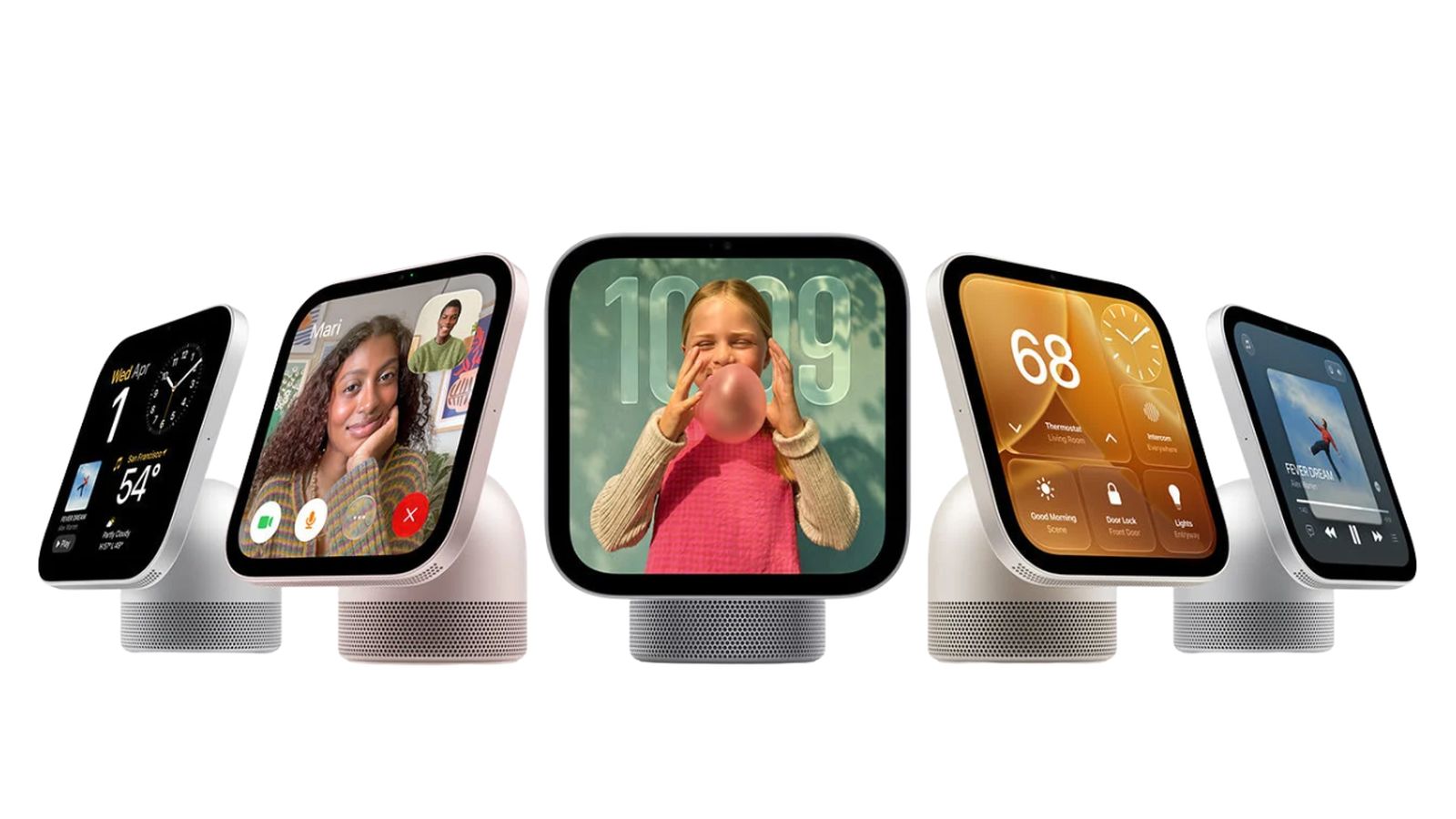
Apple is making its long-awaited entry into the smart display market with the introduction of the HomeView, a 7-inch square smart home hub priced at $299. Preorders for the device are open now across major retail channels, with general availability and shipping officially slated for November 13, according to Tech Times.
Unveiled during the company’s Welcome Home event, the HomeView serves as the centerpiece of a broader smart home collection that also includes updated streaming hardware and audio devices. The device is designed to bridge personal computing and shared household management through localized biometric recognition and deep ecosystem integration.
Core Hardware and Technical Specifications
The HomeView features a 7-inch Liquid Retina panel equipped with True Tone support, capable of reaching up to 500 nits of brightness while dimming down to a subtle 0.3 nits for nightstand utility, as reported by Tech Times. The display connects to a domed speaker base via a stainless steel hinge, allowing users to tilt the screen for comfortable viewing whether it is placed on a kitchen counter or a desk.
Color options include silver, starlight, rose pink, and space gray. Additionally, Apple provides a wall-mounted configuration in silver and space gray utilizing mounting hardware from Schneider Home. According to Fox News, the mounting equipment incurs an extra cost, and professional installation may be required depending on individual home wiring and setup requirements.
Multi-User Privacy and Siri AI Integration
A primary differentiator for the HomeView is its ability to recognize up to six distinct household members using built-in facial and voice recognition. When a user is identified, the interface shifts dynamically to display personalized apps, widgets, and notifications. Sensitive applications such as Messages and Calendar remain locked and hidden unless the specific user is recognized, protecting private information in shared family environments.
Powered by an A18 chip and running an advanced version of Siri AI backed by Apple Intelligence, the hub handles complex queries and general knowledge questions. When paired with an authorized iPhone or iPad, Siri AI accesses personal context from linked applications to deliver tailored responses, manage smart home accessories, facilitate FaceTime video calls via a Center Stage camera, and transmit audio messages across rooms using the Intercom feature.
Ecosystem Context and Market Stakes
Apple’s entrance into the smart display category positions the HomeView in direct competition with established ecosystems from Amazon and Google. Alongside the display, Apple introduced the fourth-generation Apple TV 4K featuring an A19 chip and the redesigned HomePod mini 2 powered by the S10 chip, which also incorporates acoustic optimization and Siri AI capabilities.
Furthermore, Fox News notes that upcoming Apple-branded smart cameras, thermostats, and door locks are scheduled for release later in the year and into early 2027. These peripheral devices are expected to deepen home automation capabilities, though they are not currently available for preorder alongside the HomeView hub.
Evaluating the broader implications of Apple’s entry reveals both strategic advantages and distinct hardware compromises. Industry analysts and reviewers point out that while the 7-inch Liquid Retina display delivers sharp visuals and smooth animations, its compact footprint limits its utility as a primary video-watching station compared to larger rival models like the Amazon Echo Show or Google Nest Hub Max. The smaller screen real estate makes extended viewing from across a room challenging, positioning the device more strictly as a dedicated control panel, lighting hub, and intercom station.
At the same time, the inclusion of local biometric recognition addresses a long-standing pain point in shared domestic environments. Traditional smart displays often force households into a single, generic profile where personal notifications and private calendar events are exposed to anyone nearby. By utilizing facial and voice profiling for up to six users, the HomeView successfully isolates personal communications. However, this level of personalization also leans heavily on the broader Apple ecosystem, reinforcing hardware lock-in for households that rely on mixed-platform devices.
The pricing strategy at $299 places the HomeView at a premium tier for a 7-inch device, especially when factoring in the additional expenses associated with wall-mounting hardware and potential professional installation fees. While Amazon and Google frequently discount their competing hardware, Apple maintains strict pricing discipline across its launch lineup. Whether consumers will embrace a higher price point for tighter privacy controls and seamless Home app integration remains the central question as the November 13 release date approaches.