


Longtime MMA coach and UFC broadcast analyst Din Thomas announced his decision to step away from working in fighters’ corners during live broadcast coverage at UFC 330 on Saturday, August 16, 2026, drawing immediate condemnation from prominent media colleagues and professional fighters over the timing and self-focused framing of his public statement.
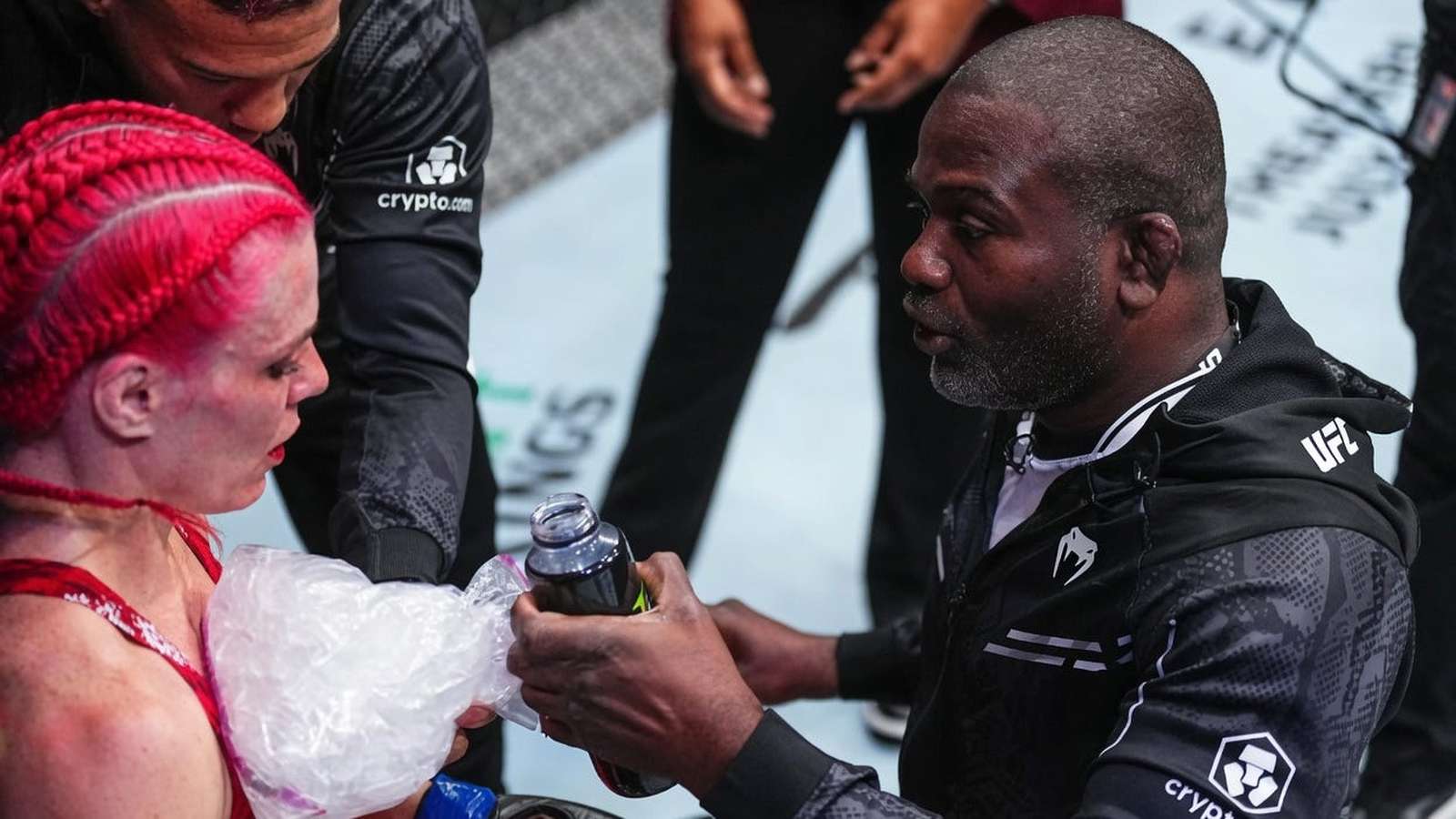
Thomas pulled double duty during the event at Xfinity Mobile Arena in Philadelphia, working on the Paramount+ analysis desk while also serving as a cornerman for Canadian strawweight contender Gillian Robertson. Following Robertson’s unanimous decision defeat to champion Mackenzie Dern in the co-main event, Thomas returned to the post-fight desk and announced on air that he was officially retiring from cornering fighters, asserting that he believed Robertson had reached her operational ceiling.
On-Air Announcement and Immediate Reaction
During the live broadcast, Thomas framed his decision around Robertson’s championship attempt, telling viewers: “I told myself I would continue to do this until I took Gillian as far as she could go. I think that might be as far as she can go, and I am officially retiring from cornering fighters tonight.” He further cited the heavy workload, travel demands, and emotional stress of balancing broadcasting responsibilities with fight-week preparation.
The declaration sparked swift pushback across the combat sports community. Lead UFC play-by-play commentator Jon Anik publicly criticized the move on social media, calling the live announcement “awful” and labeling it “a wild misstep.” Anik clarified that his objection was directed at Thomas’s decision to center the broadcast narrative on himself immediately following a fighter’s title loss rather than on the athlete’s performance.
Colleagues and Fighters Question Timing and Ethics
The controversy deepened as prominent fighters voiced outrage over Thomas’s assessment of Robertson. Former UFC middleweight champion Sean Strickland strongly criticized Thomas online, arguing that publicly claiming a fighter has hit their limit after a single championship defeat undermines the athlete and represents an abandonment of coaching duties.
UFC Chief Executive Officer Dana White expressed surprise at the unexpected broadcast segment, noting during his post-fight media interaction that he had never seen a coach announce a cornering retirement on live television. White speculated that Thomas might simply be experiencing burnout from managing multiple roles across the promotion’s expanding media ecosystem, including co-hosting the Deep Waters podcast alongside veteran fighters.
Evolving Role in Broadcast and Training
Following the immediate public reaction, Thomas clarified the exact scope of his decision. While he will no longer manage fight-week routines, cut weight alongside athletes, or walk fighters out to the cage, he plans to continue coaching and training fighters inside the gym.
The backlash highlights ongoing friction surrounding broadcast analysts who simultaneously hold active operational roles with competing athletes. As combat sports media production demands more time from analysts, the ethical boundaries between objective television reporting and team loyalty remain a point of active debate within the UFC structure.