


Tragedy on the Eastern Corridor
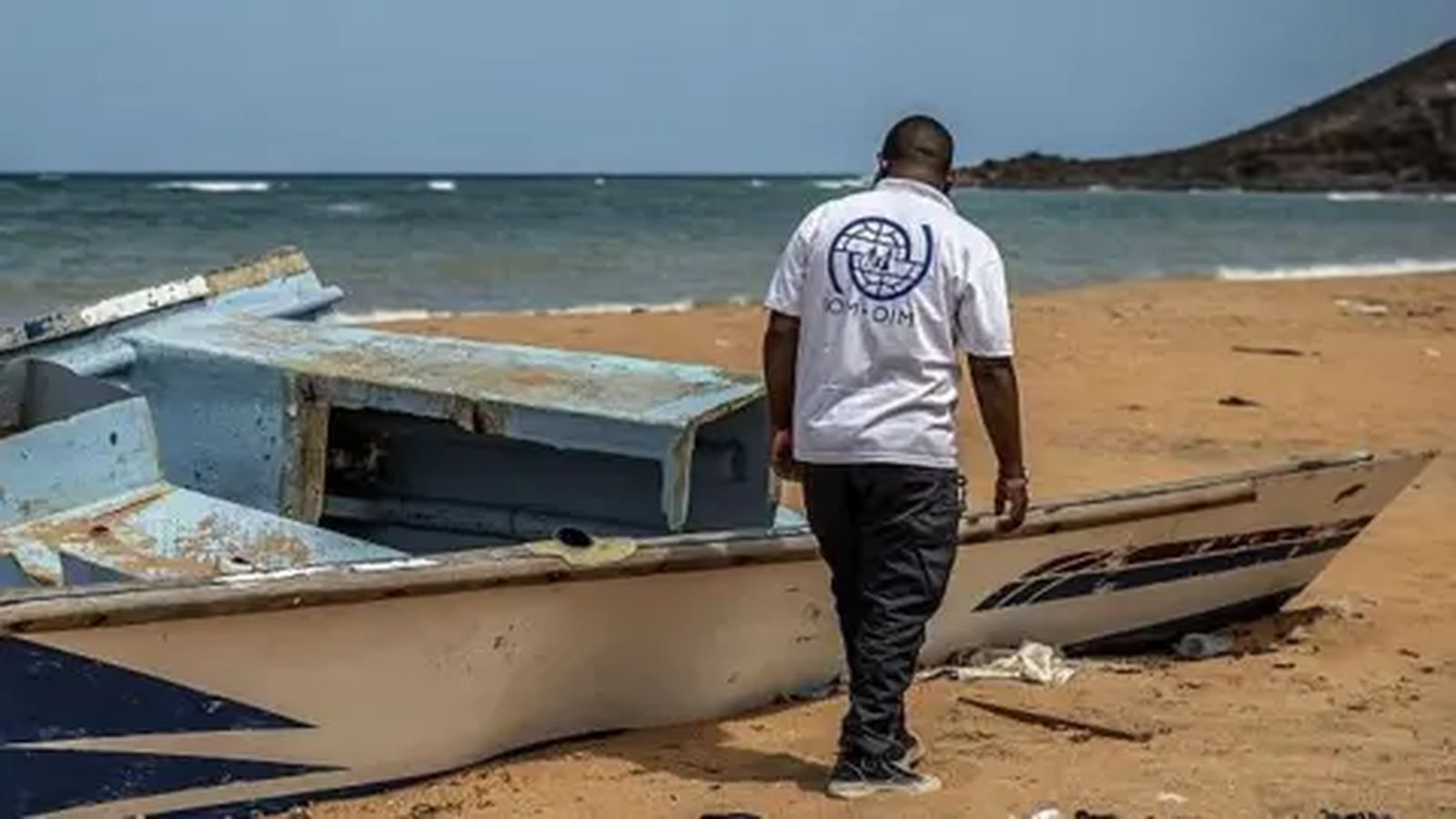
At least 109 migrants, including 15 children, have died after a boat carrying over 300 people capsized off the coast of Djibouti while traveling toward Yemen, according to the International Organization for Migration (IOM). The disaster occurred during the night between October 8 and 9 near Guhere, north of the port town of Obock. Survivor accounts gathered by the UN migration agency indicate that the vessel was crammed with approximately 350 people when it overturned in the volatile waters of the Bab al-Mandeb strait.
Search and rescue operations led by Djiboutian authorities remain active, with more than 100 individuals still unaccounted for. Out of those on board, over 80 people—all identified as Ethiopian nationals—managed to survive the shipwreck and are receiving emergency medical assistance and psychosocial care. The IOM reported that bodies recovered from the sea include 52 men, 42 women, and 15 children, comprising nine girls and six boys. Local authorities are actively arranging burials for the deceased while providing support to survivors.
The Risks of the Horn of Africa Migration Route
The eastern migration corridor between the Horn of Africa and the Arabian Peninsula is widely recognized by humanitarian organizations as one of the busiest and most dangerous maritime routes globally. Hundreds of thousands of migrants, primarily from Ethiopia and Somalia, undertake the perilous journey annually, hoping to reach wealthy Gulf countries for employment and safety. Alexandre Coissac, the IOM’s Chief of Mission in Djibouti, described the catastrophe as a devastating loss of life and a stark reminder of the severe dangers migrants face along the route.
Despite persistent conflict, economic instability, and the increasing impacts of climate change across the region, migration pressures remain high. The IOM’s Displacement Tracking Matrix recorded more than 20,000 incoming movements from Ethiopia to Djibouti since September 10 alone. Last year, more than 900 migrants lost their lives or went missing along the same maritime path, accompanied by an 18% increase in overall traffic attempting the crossing. Earlier in March, a similar incident claimed nine lives with 45 others reported missing.
Regional Conflict and Humanitarian Strains
The latest shipwreck underscores the resilience of migration flows in the face of escalating regional warfare. Yemen remains embroiled in a prolonged civil war, alongside recent escalations in fighting between Saudi-backed government forces and Iran-aligned Houthi rebels for control of strategic Red Sea areas. This renewed violence has not only threatened vital shipping lanes but has also forced thousands of individuals to flee in the opposite direction, seeking refuge inside Djibouti.
According to The Guardian, violence in Yemen has displaced more than 3,800 people across the sea to Djibouti, placing additional strain on local humanitarian infrastructure. Meanwhile, the IOM is providing direct assistance, healthcare, and family reunification support to survivors at its Obock Migrant Response Centre, working alongside local partners to prevent further tragedies at sea and on land.