


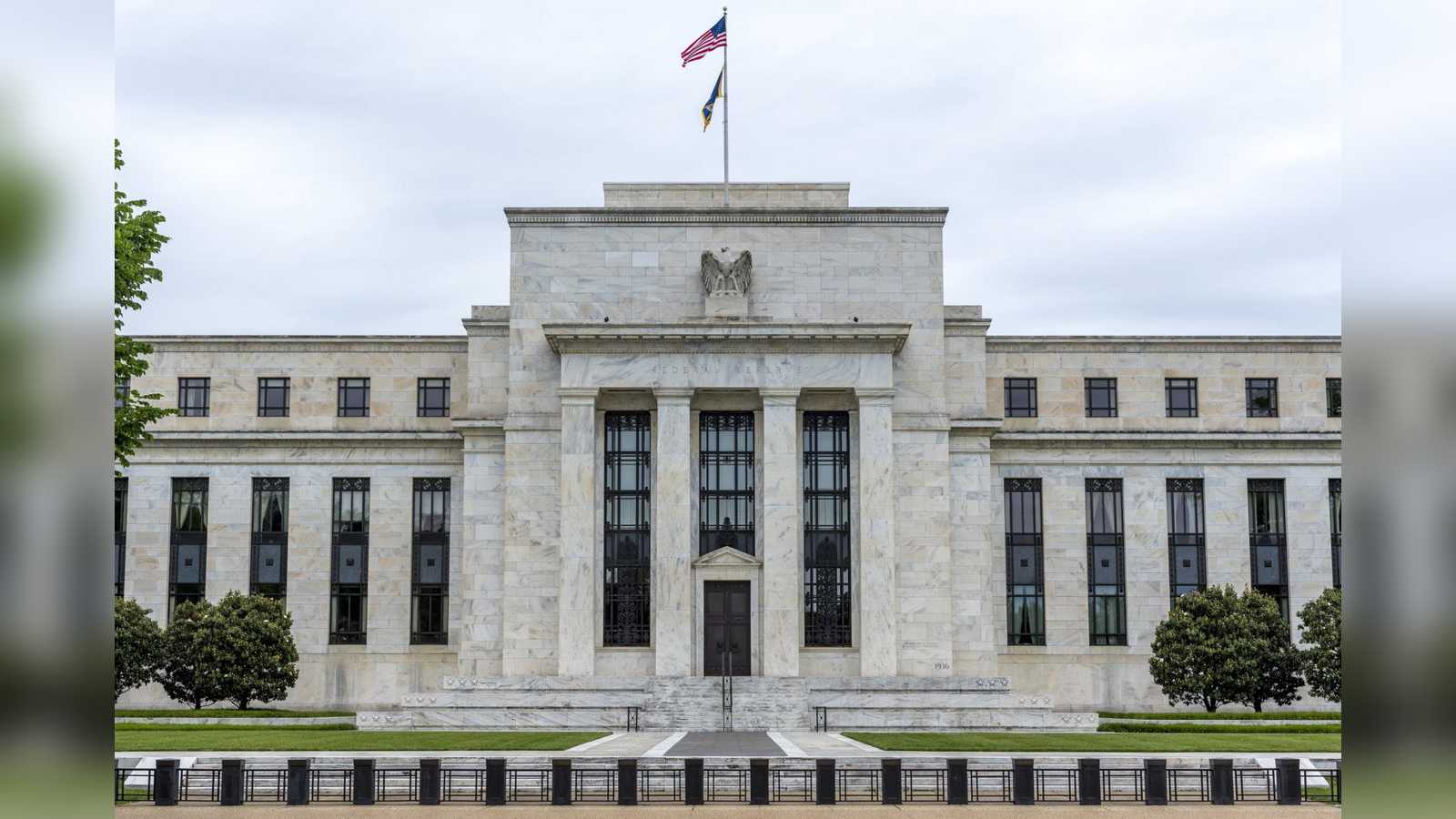
A majority of Federal Open Market Committee officials expect to raise borrowing costs once more before the end of the year to counter inflation that has exceeded the central bank’s target for over five years, according to minutes from the September 15–16 policy meeting released Wednesday.
The published summary reaffirmed the central bank’s hawkish stance following its unanimous decision in September to lift the federal funds rate by 25 basis points to a range of 3.75 percent to 4 percent. Projections submitted by policymakers showed that 16 out of 18 officials anticipated at least one additional increase during 2026, though the committee left open whether action will occur at the October 27–28 session or the subsequent gathering on December 8–9.
Divided Views on Policy Timing
Despite broad agreement on the necessity of tight policy, individual officials have presented differing timelines for further tightening. Federal Reserve Vice Chair Michael Barr argued recently at the Detroit Economic Club that additional policy adjustments remain the baseline scenario required to return inflation to target in a timely manner. Conversely, Federal Reserve Bank of New York President John Williams and Fed Vice Chair Philip Jefferson signaled a preference to review subsequent economic data before authorizing higher borrowing costs, emphasizing that future decisions must weigh the balance of economic risks.
As reported by The Hill, participants stressed that they are approaching subsequent sessions with an open mind, particularly after the personal consumption expenditures price index showed annual inflation easing to 3.4 percent in August from 3.7 percent in July. That moderation, which came in below the committee’s projection of 3.6 percent, prompted interest rate traders using the CME FedWatch tool to assign an 80.6 percent probability to a policy pause at the late October meeting.
Market Volatility and Institutional Pressure
Financial markets felt the impact of the monetary outlook alongside heavier sovereign debt supply. According to CNBC, the benchmark 10-year U.S. Treasury note yield reached 5.365 percent—its highest mark since April 2002—before retreating slightly after a strong $39 billion auction of 10-year notes drew robust demand from non-dealers. The 30-year bond yield similarly touched 5.732 percent, while equity benchmarks retreated from recent records, with the Dow Jones Industrial Average dropping 0.66 percent and the S&P 500 falling 0.22 percent.
The tightening trajectory also faces direct political scrutiny. President Donald Trump publicly renewed his calls on Wednesday for lower borrowing costs, blaming the central bank’s policy stance for high mortgage rates even while offering personal praise for Fed Chair Kevin Warsh. The FOMC must now balance that external pressure against incoming employment metrics and autumn price indices as it prepares for its late October deliberations.