


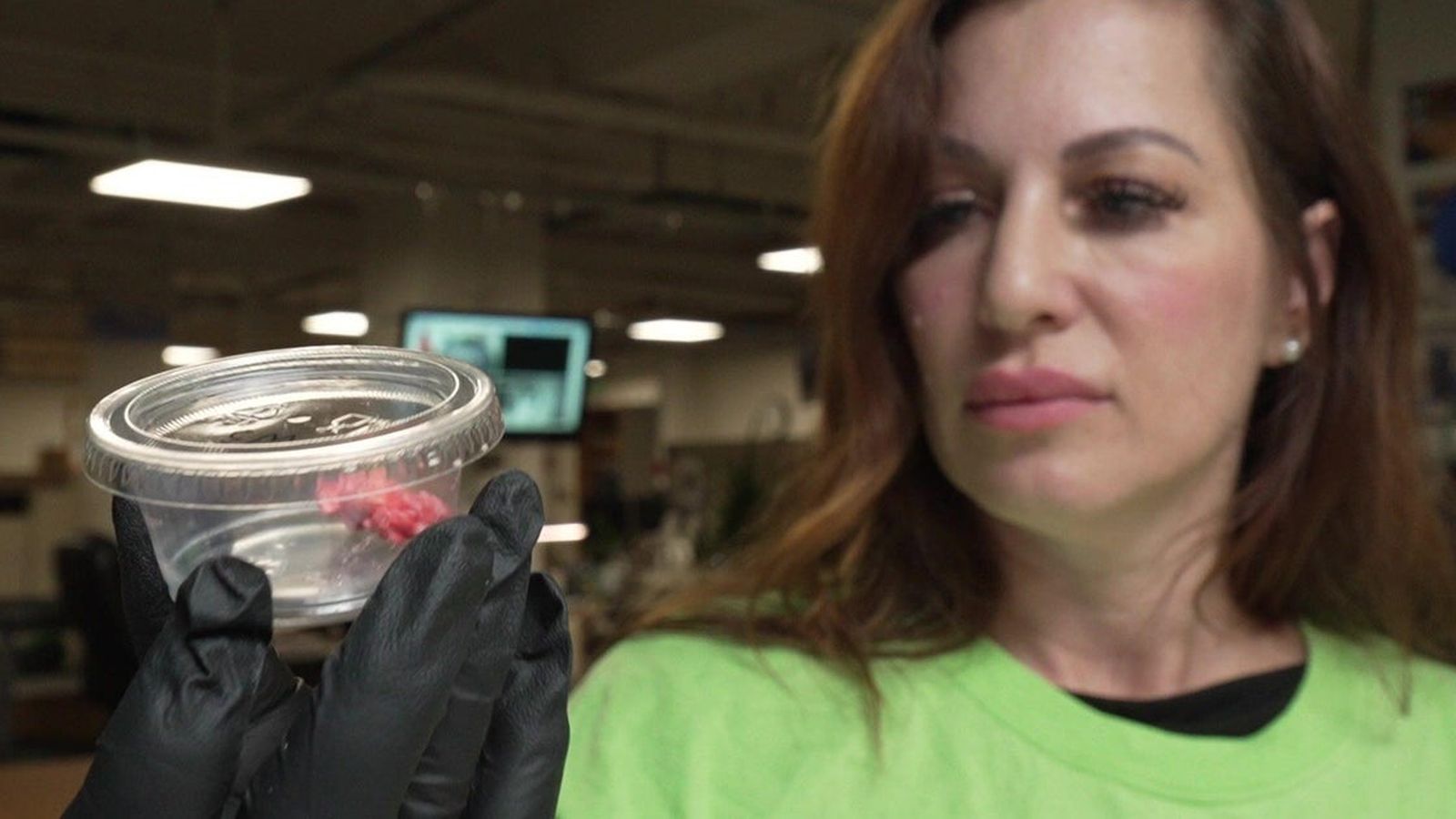
Detective Susan Logothetti of the Everett Police Department revealed that modern forensic re-examination of evidence from the June 1984 homicide produced a DNA profile belonging to Mitchell Allen Gaff, a Level 3 registered sex offender and a classified sexually violent predator, according to reporting by CBS News. The breakthrough brings an unexpected twist to one of the Pacific Northwest’s most haunting cold cases, shifting the focus from a suspected domestic dispute to a predatory attack by a stranger with a documented history of violence.
The 1984 Murder of Judy Weaver
Judy Weaver managed the Bel-Nes Cafe, described by investigators as one of the roughest bars on Hewitt Avenue. On the evening of June 1, 1984, Weaver and her fiancé celebrated the sale of the establishment with friends. Growing tipsy and tired, Weaver decided to walk the half-mile home alone while Richards remained at the bar. Investigators believe she left her back door unlocked, allowing an intruder to slip inside, bind her, sexually assault her, and strangle her before setting fire to the bedroom in an apparent effort to destroy the evidence.
When firefighters extinguished the blaze, they found Weaver dead. Her daughters immediately pointed suspicion toward Richards, citing a volatile relationship marked by verbal abuse. Although police questioned multiple individuals, insufficient physical evidence prevented investigators from formally charging or clearing Richards, who carried the cloud of suspicion until he died a decade later.
A Cold Case Revived Through DNA
In January 2023, leadership at the Everett Police Department directed detectives to submit remaining evidence from the Weaver case for DNA testing, hoping to definitively confirm their long-standing theory regarding Richards. Instead, the resulting profile matched Mitchell Allen Gaff. When Detective Logothetti ran the name, she discovered Gaff’s extensive violent history, which included a 1979 conviction for a brutal assault on a young police officer in her own garage—an attack from which the victim narrowly escaped by fighting back.
The use of advanced forensic techniques, including DNA extracted from items such as discarded chewing gum, has increasingly allowed law enforcement agencies to breathe new life into stagnant decades-old investigations. While the recent DNA hit redirects the narrative of the Weaver murder away from the initial fiancé theory, it also underscores the enduring threat posed by violent offenders who slipped through lenient sentencing standards in earlier decades.