

Quick Read
- US troops invaded the Dominican Republic in 1965 to prevent the return of leftist President Juan Bosch.
- The intervention was part of a broader pattern of US military actions in Latin America during the Cold War.
- Dominican Republic’s experience is frequently cited in debates over current US interventions, such as in Venezuela.
Dominican Republic: A Turning Point in US Military Interventions in Latin America
- In 1965, US troops invaded the Dominican Republic to prevent the return of leftist President Juan Bosch, citing fears of a ‘second Cuba.’
- This operation marked a significant escalation of US interventionism, embedding the Dominican Republic into a decades-long pattern of American military actions across the region.
- The echoes of this event reverberate today, especially in the wake of renewed US strikes in Venezuela, as regional leaders and global observers invoke the Dominican example to frame contemporary debates on intervention, sovereignty, and stability.
Why Did the US Intervene in the Dominican Republic?
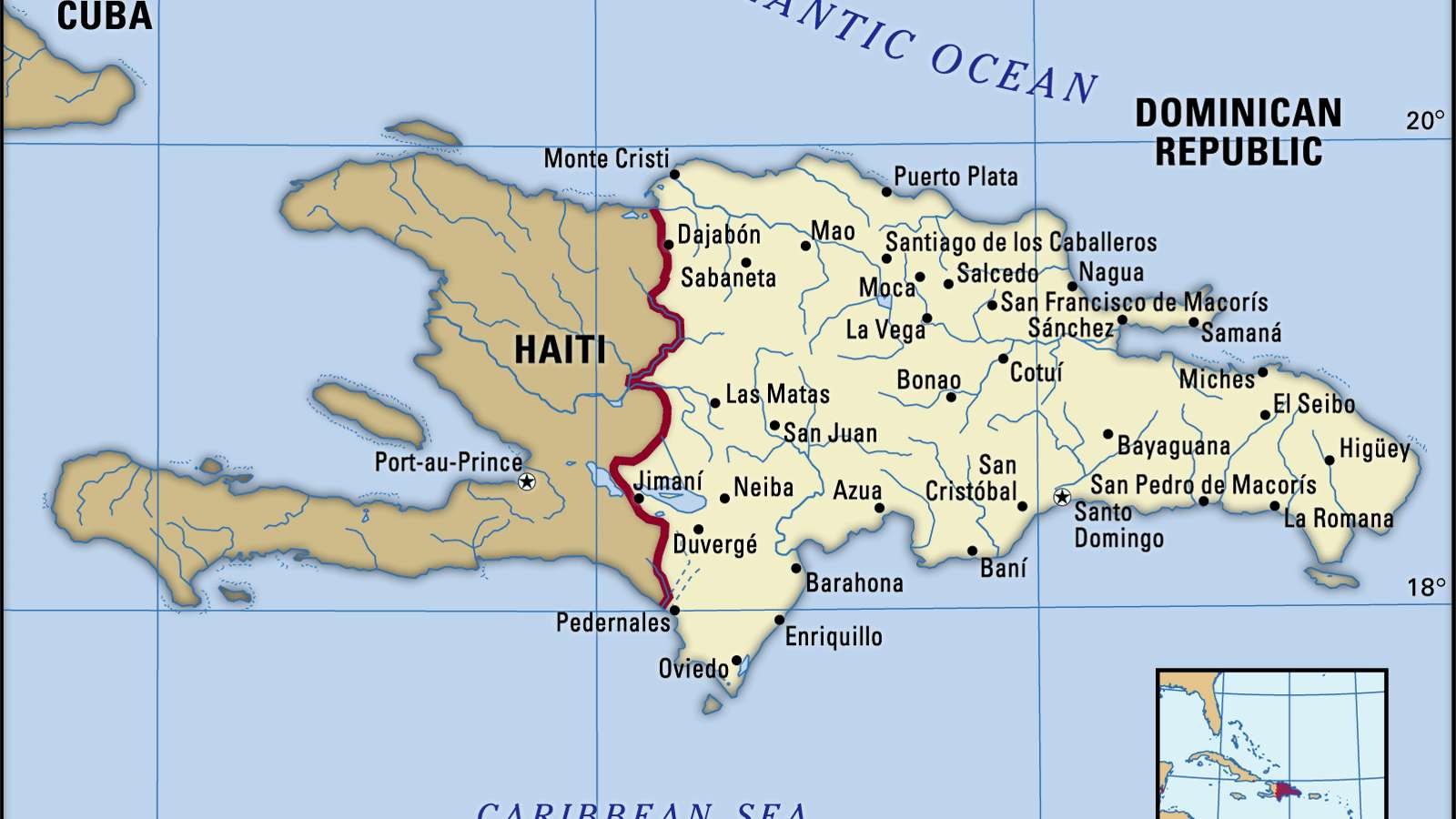
To understand why the Dominican Republic finds itself at the center of historical discussions about US involvement in Latin America, one must return to the spring of 1965. At the time, the Caribbean nation was embroiled in civil unrest. The ousted president, Juan Bosch, was a left-leaning reformer whose brief tenure had introduced progressive policies and a new constitution. When Bosch was toppled by a military coup, supporters sought his return—a move that alarmed Washington.
The US government, led by President Lyndon B. Johnson, feared that Bosch’s restoration would pave the way for another communist stronghold in the region, echoing the Cuban Revolution just a few years prior. Amid Cold War anxieties, more than 20,000 US troops landed in Santo Domingo, the capital, in April 1965. Their stated goal: to prevent the emergence of a ‘second Cuba’ and restore order.
The Legacy of Intervention: Regional Ramifications
The Dominican intervention was not an isolated event. It was part of a broader US strategy to counter perceived threats and maintain influence throughout Latin America. From Guatemala in 1954 to Grenada in 1983, the US repeatedly deployed military force or covert operations to support governments aligned with its interests or to depose those seen as hostile.
For Dominicans, the 1965 intervention left deep scars—political, social, and psychological. While Washington argued that its actions prevented communist expansion and protected American citizens, many in Latin America saw it as a violation of sovereignty and self-determination. The operation set a precedent, cited in subsequent decades whenever US warplanes or troops appeared elsewhere in the hemisphere.
Today, as US actions in Venezuela prompt widespread condemnation from regional governments such as Mexico and Colombia (Al Jazeera), the Dominican episode is often referenced as a cautionary tale. It reminds observers of the delicate balance between security interests and respect for national autonomy.
Global Reaction and Contemporary Relevance
Latin American leaders have long debated the legitimacy of US interventions. The Dominican case, in particular, is invoked as both a justification for regional cooperation and as a warning against foreign interference. In recent years, Cuba’s leadership has condemned US operations as ‘state terrorism,’ while Mexico’s government has issued statements rejecting unilateral military actions (Al Jazeera).
For the Dominican Republic, its history remains relevant amid new crises. As flights across the Caribbean are canceled due to instability in Venezuela (CNBC), echoes of 1965 reverberate in diplomatic corridors. The question persists: does foreign intervention bring stability, or does it sow division and distrust?
Polls show that US citizens today are skeptical of military action in Latin America, with most viewing countries like Venezuela as a minor or non-existent threat (Al Jazeera). Yet, the legacy of the Dominican intervention shapes perceptions—fueling both caution and debate among policymakers.
Lessons from the Dominican Republic for Today
The Dominican Republic’s experience offers several lessons. First, interventions can have long-lasting, unpredictable consequences, often fueling further instability rather than resolving crises. Second, the rationale for action—whether anti-communist fears in the 1960s or anti-narcotics campaigns today—can shift, but the underlying tensions between sovereignty and security remain.
Finally, the Dominican case highlights the importance of regional voices in international affairs. As Latin American governments speak out against new interventions, their arguments are rooted in memories of past episodes, including the 1965 invasion.
In sum, the Dominican Republic’s place in US-Latin American history remains a powerful lens for analyzing current events. Its legacy urges caution, respect for national autonomy, and a recognition that the echoes of past interventions continue to shape the present. As debates rage over Venezuela and beyond, the Dominican episode stands as both a warning and a call for regional solidarity.