


Dr. Oz’s ‘Trump Babies’ Comment Sets Off Political Firestorm
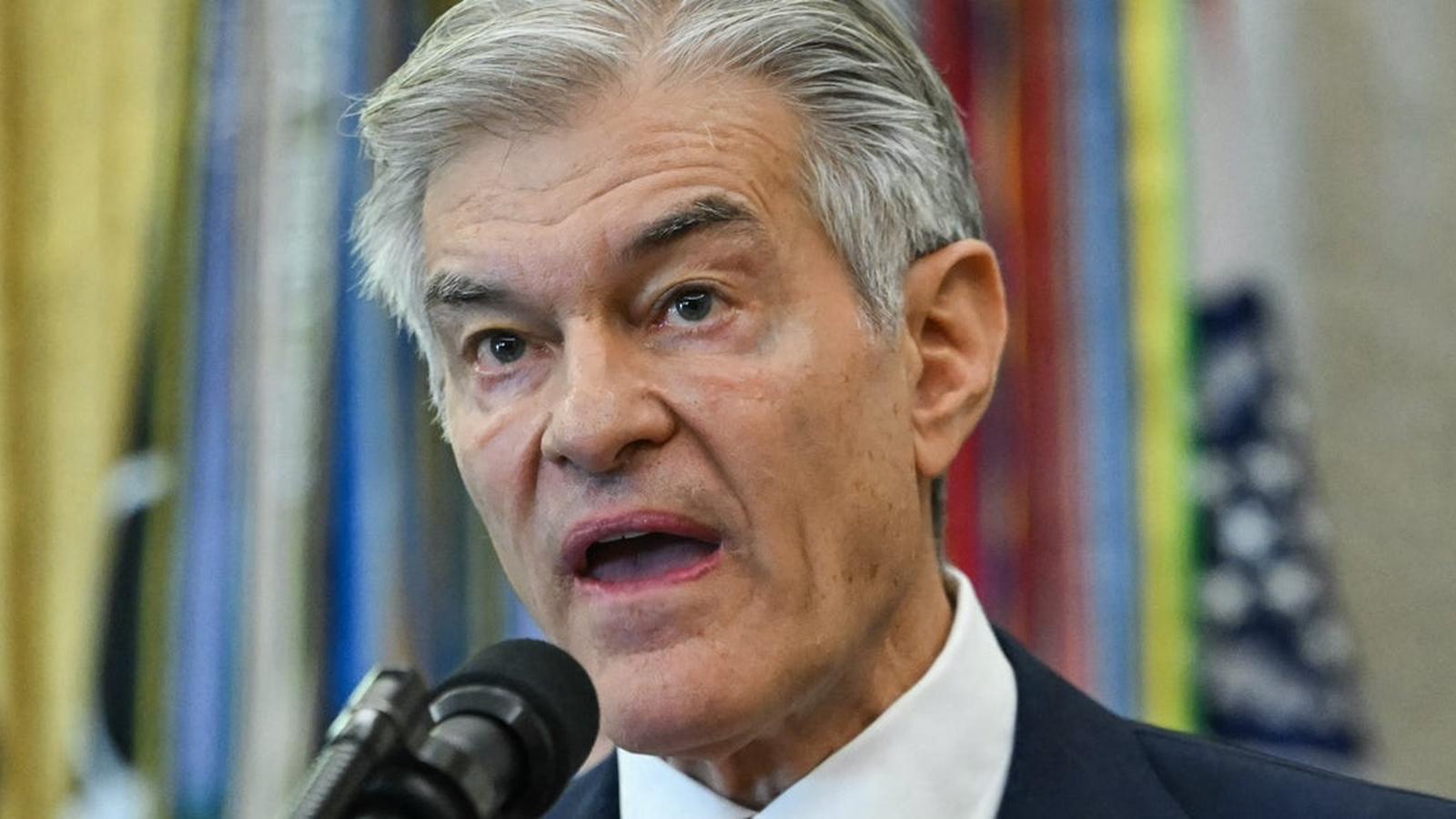
There are moments in American politics when a single phrase catches fire, igniting debate and leaving even seasoned observers blinking in disbelief. Dr. Mehmet Oz, the former talk show host turned administrator of the Centers for Medicare and Medicaid Services (CMS), delivered one such moment during a press conference in the Oval Office on Thursday. The occasion: the announcement of lower prices for fertility drugs, a move billed as an attempt to ease the financial burden for Americans seeking to start families.
But it wasn’t the policy itself that grabbed headlines. Instead, it was Dr. Oz’s offhand remark: “We’ve dropped [the price of] infertility drugs to make lots of Trump babies.” Instantly, the phrase ricocheted across social media, sparking a cascade of incredulous reactions, biting satire, and outright disgust. For many, the intersection of politics, personal health, and the language of fertility proved too bizarre to ignore.
Social Media Reacts: From Satire to Outrage
Within minutes, platforms like X (formerly Twitter) lit up with responses ranging from mocking jokes to genuine concern. Some users quipped, “There goes lunch,” while others called ‘Trump babies’ the “most effective birth control name ever.” One comment, dripping with sarcasm, asked: “When is the EO coming out that all of these ‘Trump’ babies must have Donald as their legal first name?”
Others took the opportunity to lampoon the surreal nature of American political discourse. “Brace yourselves, apparently the midterms now come with a side of Trump babies. Never thought politics could get this weird,” one user wrote. Several posts riffed on the idea of ‘Trump babies’ voting in the next election, with one asking if the voting age was being dropped to “newborn baby years old.”
The visceral reactions weren’t limited to jokes. Many expressed genuine discomfort, with one social media user writing, “That’s the grossest thing I’ve heard today, will ever hear in my lifetime, and I’m off to go vomit until I pass out.” Others, referencing President Trump’s signature look, wondered if these hypothetical babies would “be wearing a diaper but will they all be orange?” The phrase “What the actual fuck is a trump baby???” summed up the confusion and disbelief swirling online.
Political Messaging Meets Personal Health Policy
Dr. Oz’s comment was intended to highlight a policy change: the lowering of fertility drug costs, a move that could impact thousands of families struggling with infertility. On its face, the measure is designed to provide greater access to reproductive health services, aligning with broader efforts to make healthcare more affordable.
But by framing the initiative in explicitly partisan terms—associating the birth of future children with President Trump—the announcement took on a sharply political edge. Critics argued that the language was not only strange but also potentially alienating for those who view reproductive health as a deeply personal, nonpartisan issue. The phrase ‘Trump babies’ risked reducing a complex medical and emotional journey to a punchline in the ongoing culture wars.
According to Reuters, policy changes affecting drug pricing often attract scrutiny, but rarely do they inspire such a visceral reaction. By invoking President Trump’s name in the context of newborns, Dr. Oz inadvertently shifted the conversation from healthcare economics to the symbolism of political identity—a move that some analysts say could backfire by politicizing family planning.
The Broader Implications: Fertility, Identity, and Political Rhetoric
At a time when American politics is increasingly polarized, moments like these underscore the challenges facing public officials who straddle the line between policy and messaging. Fertility issues touch on personal hopes, anxieties, and life-changing decisions. For many, the idea that their family-building journey could be linked to a political figure feels invasive, even absurd.
Healthcare advocates have long argued that access to fertility treatment should be expanded, citing the emotional toll and financial barriers faced by those struggling with infertility. Lowering drug costs could represent real progress for families in need. Yet, as this episode demonstrates, the language used to promote such policies matters deeply. When messaging veers into partisan territory, it risks alienating those it intends to help.
Some commentators suggested that Dr. Oz’s remark may have been an attempt at humor—albeit one that missed the mark. Others saw it as emblematic of a larger trend: the blurring of lines between governance and entertainment, where political figures and their surrogates lean into provocative statements to generate headlines.
For now, the phrase ‘Trump babies’ seems destined to linger as both a meme and a cautionary tale. The reaction highlights the power of words to shape public perception—and the risks inherent in using charged language around sensitive topics like fertility and family planning.
As the dust settles, the policy itself remains unchanged: fertility drugs will be more affordable for those who need them. But the conversation around the announcement has shifted, focusing less on the practical benefits and more on the symbolic weight of a single, controversial phrase.
Dr. Oz’s “Trump babies” comment illuminates a persistent tension in American public life: the clash between substantive policy and the spectacle of political rhetoric. When healthcare decisions become fodder for partisan branding, the needs and hopes of ordinary families risk being overshadowed by headline-grabbing soundbites. The lesson? Words matter—especially when they intersect with the most personal aspects of people’s lives.