


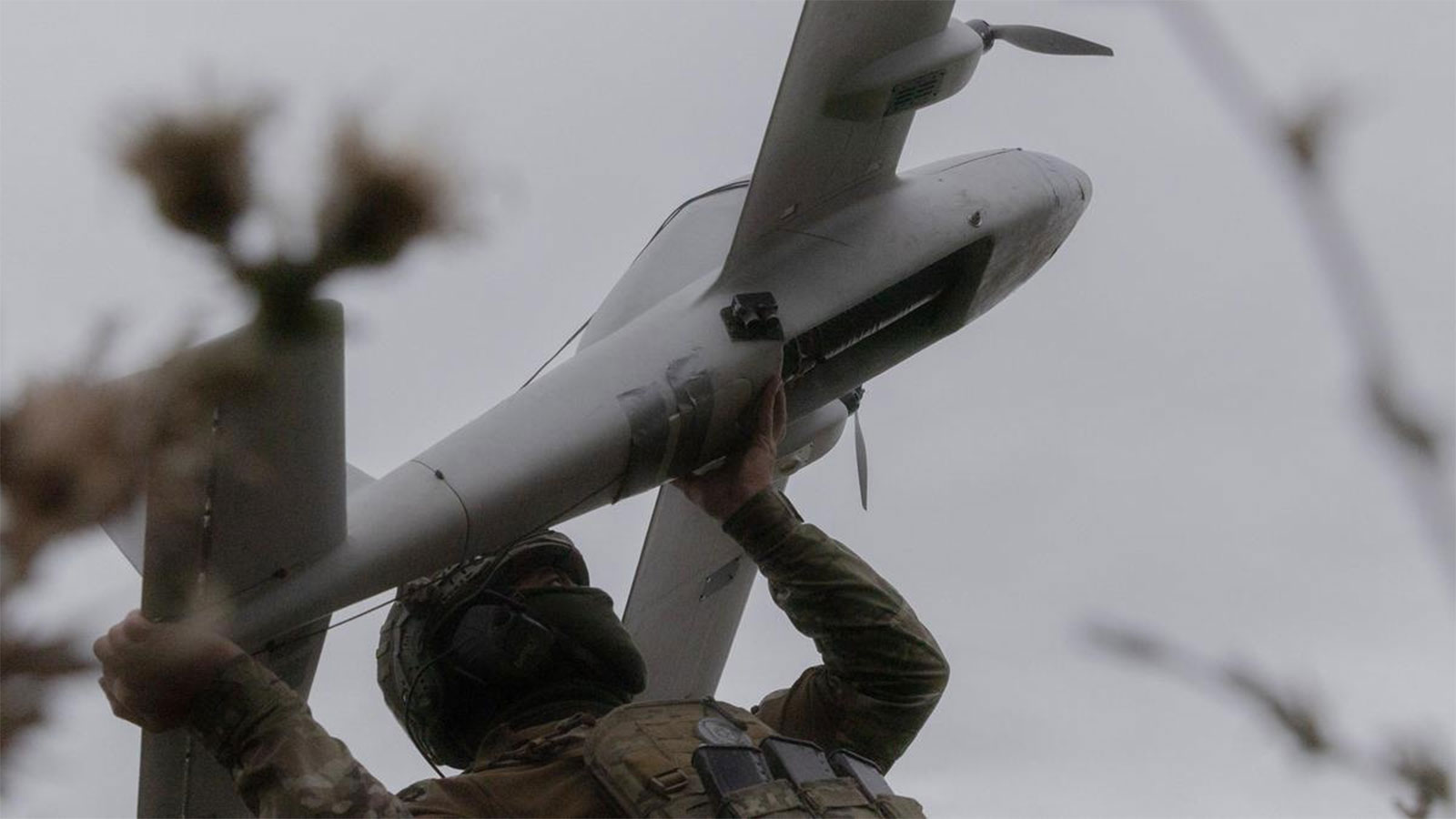
In the ongoing conflict between Russia and Ukraine, drone warfare has emerged as a defining feature. The skies over Moscow have increasingly become a battleground, with Ukrainian drones targeting critical infrastructure and military sites deep within Russian territory. These strikes represent a significant escalation in the conflict, testing Russia’s air defense systems and raising questions about the evolving nature of modern warfare.
The Emergence of Drone Warfare
Drone technology has revolutionized military strategy in the 21st century, allowing nations to conduct precise strikes with minimal personnel risk. In the Ukraine-Russia conflict, drones have transitioned from reconnaissance tools to offensive weapons capable of targeting infrastructure and disrupting logistics. Ukrainian forces have demonstrated remarkable adaptability, utilizing drones to launch deep strikes into Russian territory, including the capital region of Moscow.
These attacks are not merely tactical maneuvers; they are symbolic strikes aimed at undermining Russia’s sense of security. By targeting Moscow, Ukraine sends a clear message about its capacity to disrupt the heart of Russia’s operations. Such strikes also reveal vulnerabilities in Russia’s defense systems, despite its claims of successful interceptions.
Recent Incidents and Their Implications
Recent reports highlight the scale and frequency of Ukrainian drone attacks on Moscow and surrounding regions. The Russian Defense Ministry announced that 193 Ukrainian drones were intercepted overnight in various regions, including Bryansk and Moscow. Of these, 40 drones were headed toward Moscow, showcasing Ukraine’s ability to penetrate deep into Russian airspace.
In addition to the large-scale interception, the Tula region bordering Moscow saw heavy activity, with 24 drones destroyed before reaching their targets. These incidents underscore the growing strain on Russia’s air defense systems, which are now tasked with countering frequent and sophisticated drone strikes.
Moscow’s airport closures, albeit temporary, further highlight the impact of these attacks. Domodedovo and Zhukovsky airports were briefly shut down as a precautionary measure, reflecting heightened concerns about air safety. Such disruptions emphasize the strategic significance of drone warfare, which extends beyond physical damage to psychological and logistical effects.
Strategic Goals Behind the Strikes
Ukraine’s use of drones in the conflict serves multiple strategic objectives. Firstly, these strikes aim to disrupt Russian military infrastructure, logistics, and energy systems. By targeting oil refineries, energy grids, and transportation hubs, Ukraine seeks to weaken Russia’s operational capabilities and prolong its logistical challenges.
Secondly, the strikes carry symbolic weight, demonstrating Ukraine’s resilience and capability to challenge Russia even within its own borders. This psychological dimension is crucial in a war where perception and morale play significant roles. The attacks remind Russia that no part of its territory is entirely secure, forcing it to allocate resources to defensive measures.
Lastly, the strikes highlight the evolution of Ukraine’s long-range drone capabilities. As winter intensifies the conflict, these capabilities are likely to expand, enabling more frequent and impactful operations against Russian targets.
Russia’s Response and Future Challenges
In response to the escalating drone warfare, Russia has bolstered its air defense systems and electronic countermeasures. Reports from Moscow authorities indicate that air defenses acted effectively to intercept incoming drones, preventing casualties and significant damage. However, the growing frequency of these attacks suggests that Russia’s defenses are under considerable strain.
Experts predict tighter airspace restrictions around Moscow and increased investment in advanced interception systems. Electronic jamming, radar improvements, and drone-specific countermeasures are likely to become focal points of Russia’s defense strategy. However, these measures come with substantial costs, both financial and operational.
Furthermore, the ongoing drone strikes expose vulnerabilities in Russia’s security infrastructure, raising questions about its preparedness for modern warfare. The psychological impact of frequent disruptions, including airport closures, adds to the mounting pressure on Russia’s leadership to address these challenges effectively.
The Global Implications of Drone Warfare
The use of drones in the Ukraine-Russia conflict has broader implications for global military strategy. As nations observe the effectiveness of drone operations, they are likely to invest heavily in similar technologies. This shift could redefine warfare, emphasizing precision, adaptability, and technological superiority over traditional military strength.
For Ukraine, drone warfare represents an opportunity to level the playing field against a larger and better-equipped adversary. For Russia, it is a stark reminder of the changing nature of conflict and the need to adapt to new threats. As the conflict continues, the lessons learned from these drone strikes will shape the future of military strategy worldwide.
Drone warfare in Moscow signifies a pivotal moment in the Ukraine-Russia conflict, highlighting the transformative impact of technology on modern warfare. These strikes test Russia’s defenses, challenge its sense of security, and redefine the parameters of international conflict.