

Quick Read
- UK number plates are updated biannually in March and September, reflecting the vehicle’s registration year.
- The current format, introduced in 2001, includes regional codes, age identifiers, and random characters.
- Strict regulations govern plate specifications, including font, color, and spacing.
- Recent innovations include green plates for electric vehicles and tracking technologies like Drive from Port stickers.
- Upcoming changes aim to enhance traceability and modernize registration systems globally.
Number plates are a fundamental part of vehicle identification systems worldwide, including the United Kingdom. Managed by the Driver and Vehicle Licensing Agency (DVLA), UK number plates have undergone various changes over the years to enhance traceability, improve efficiency, and adapt to new technologies. This article delves into the history, regulations, and innovations surrounding DVLA number plates, providing a comprehensive understanding of their significance.
History and Evolution of UK Number Plates
The history of UK number plates dates back to the Motor Car Act of 1903, which mandated that all vehicles carry a unique identification mark. Early formats were simple combinations of letters and numbers, allocated alphabetically to regions based on population density. Over time, as vehicle numbers grew, the system evolved to include suffixes, prefixes, and eventually the current age identifier format.
Between 1963 and 1982, the suffix system placed the age identifier at the end of the plate. The prefix system, introduced in 1983, moved the identifier to the beginning. However, both systems relied on annual updates, creating challenges in managing the growing vehicle registrations. In 2001, the DVLA implemented the current system, featuring two letters for regional identification, two digits for age, and three random letters for uniqueness. This format, updated biannually in March and September, allows for better scalability and traceability.
Core Principles and Regulations
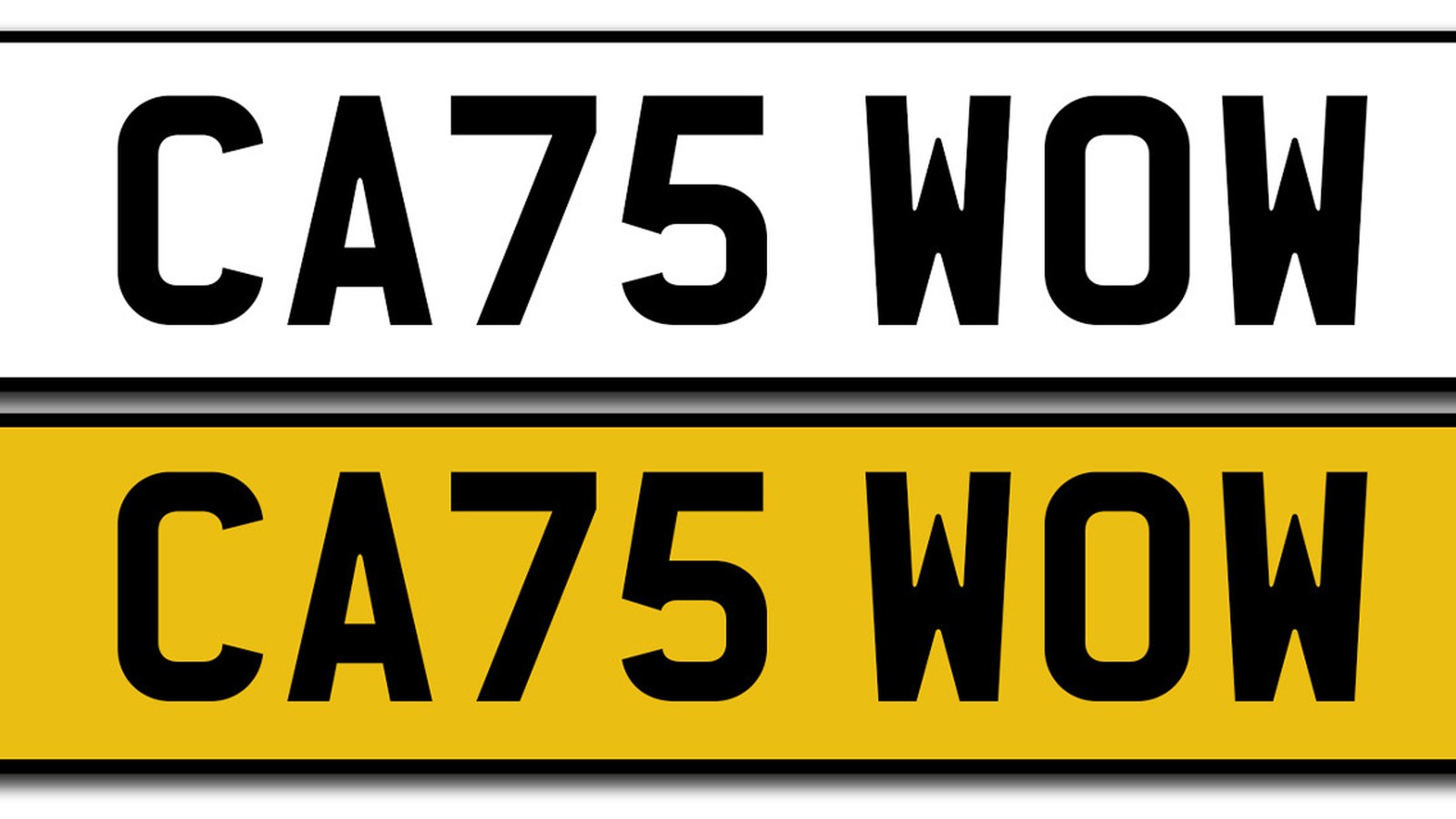
UK number plates adhere to strict regulations to ensure uniformity and legal compliance. For vehicles manufactured after January 1, 1973, front plates must have a white background, while rear plates are yellow. The font used is the Charles Wright font, introduced in 2001, with precise specifications for character dimensions, spacing, and margins. Deviations from these standards can result in fines up to £1,000 and potential revocation of the plate.
Personalised or private plates are another popular aspect, allowing vehicle owners to choose combinations representing names, dates, or other meaningful identifiers. However, altering spacing or using banned combinations is illegal. The DVLA regularly reviews new age identifiers to prevent offensive or inappropriate plates from entering circulation.
Innovations in Number Plate Systems
In recent years, the DVLA has introduced several innovations to enhance vehicle registration systems. One notable advancement is the green number plate, available since December 2020 for electric and hydrogen-powered vehicles. Featuring a green flash on the left, these plates signify zero tailpipe emissions but do not offer specific privileges.
Additionally, the DVLA has revamped tracking technologies, introducing Drive from Port (DP) stickers for imported vehicles. These stickers provide detailed information about the vehicle’s arrival, destination, and ownership, improving transparency and accountability in the transport system.
Upcoming Changes and Global Perspectives
The DVLA continues to adapt its systems to meet modern demands. From January 2026, new plates will feature enhanced regional codes to improve traceability. Similar reforms are underway globally, such as Ghana’s initiative to integrate regional and area codes into its number plates. These changes reflect a broader effort to modernise vehicle registration and monitoring systems.
In Northern Ireland, a distinct system based on three-letter identifiers remains in use, highlighting regional variations within the UK. Furthermore, diplomatic and military vehicles often carry unique formats, underscoring the diverse applications of number plates.
The evolution of DVLA number plates represents a journey of innovation, adapting to technological advancements and societal needs. These changes not only enhance vehicle identification but also contribute to broader goals of transparency, security, and efficiency in transportation systems.