


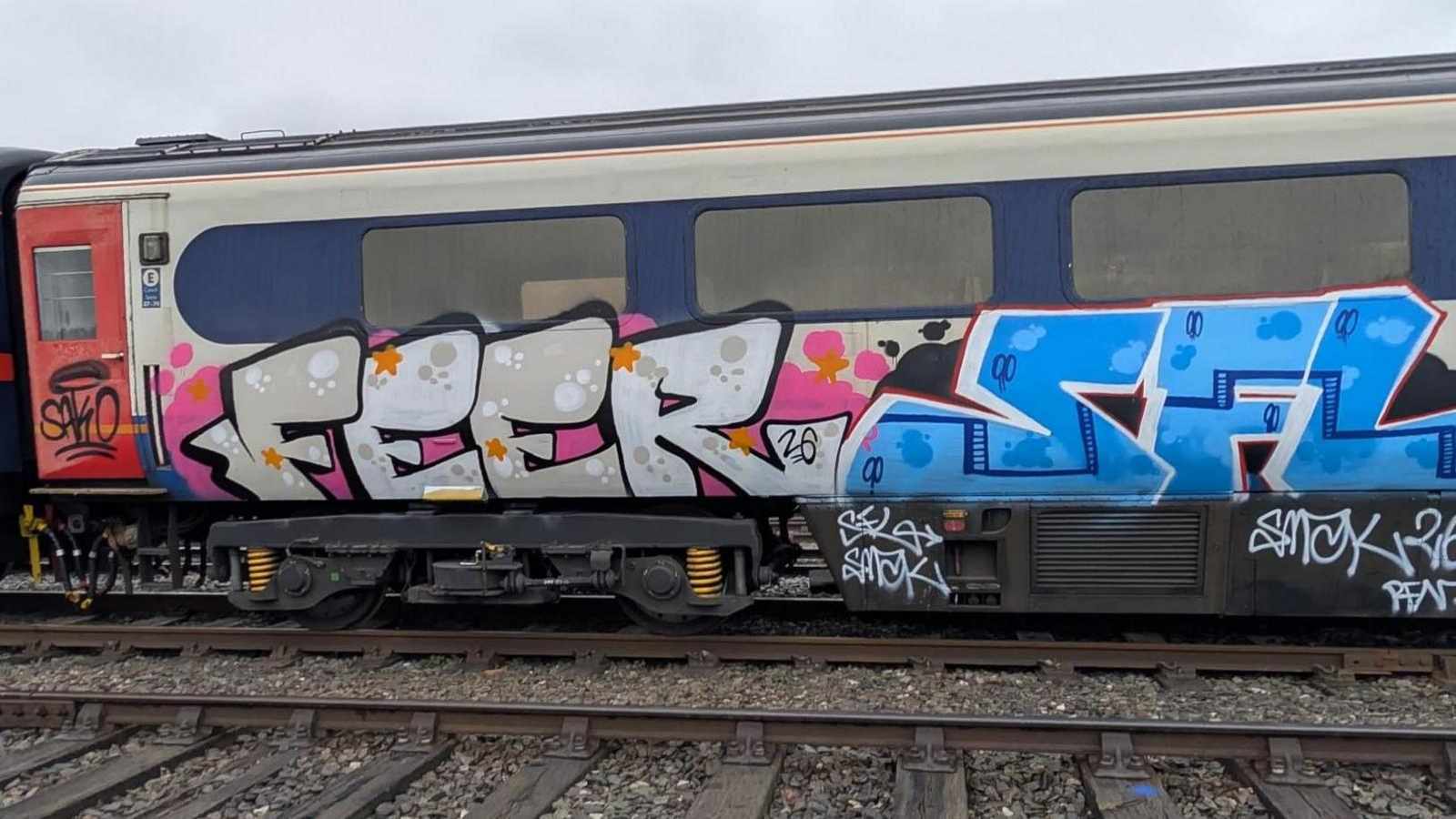
BURY (Azat TV) – The East Lancashire Railway (ELR) is grappling with the aftermath of a calculated act of destruction after vandals targeted its historic rolling stock over the May Bank Holiday weekend. The incident comes at a sensitive time for regional transport, as local authorities simultaneously unveil ambitious plans to modernize and expand Lancashire’s broader rail network.
Heritage Assets Targeted in Calculated Attack
Railway officials confirmed that a locomotive and several coaches from the organization’s InterCity 125 heritage set were defaced with extensive graffiti. The attack, which occurred overnight, hit equipment that had undergone significant restoration, including a coach that had only been repainted in February. Mike Kelly, Chairman of the East Lancashire Railway, described the event as a “disgraceful and deeply frustrating” assault on assets maintained almost entirely by volunteers.
The ELR leadership emphasized that the damage was not opportunistic but appeared to be a targeted strike against the heritage line. Volunteers responded immediately, utilizing specialist cleaning agents to remove the paint before it could set, a move which prevented permanent destruction of the historic surfaces. Greater Manchester Police have launched an investigation into the incident and are increasing patrols in the area, while the railway moves to expand its CCTV coverage to bolster security.
Regional Connectivity and the Colne–Skipton Extension
While the ELR works to recover from the vandalism, the Lancashire Combined County Authority (LCCA) has placed rail infrastructure at the center of its new Local Transport Plan. The plan outlines a roadmap through 2045, identifying the long-awaited reinstatement of the 12-mile Colne–Skipton line as a top priority. This project, estimated to cost over £150 million, aims to provide a direct, electrified trans-Pennine link between East Lancashire and Leeds, potentially relieving congestion on existing routes.
In addition to the Colne–Skipton line, the LCCA is prioritizing a feasibility study for a new railway station in Blackburn, with Ewood and Lower Darwen currently shortlisted. These developments represent a significant push to improve regional connectivity, aiming to foster economic growth and reduce journey times for commuters across the county.
The Balance Between Heritage and Modernization
The convergence of the recent vandalism and the announcement of major infrastructure projects highlights the ongoing tension between preserving local history and meeting modern transport demands. The ELR remains a vital component of the region’s cultural identity, run by individuals who dedicate their time to maintaining rolling stock that is often privately owned or managed by specialized heritage groups. The recent attack serves as a stark reminder of the vulnerability of such assets even as the surrounding region prepares for large-scale investment.
The juxtaposition of the ELR’s struggle to protect its historical assets against the backdrop of a £150 million regional expansion plan illustrates the complex challenge of managing legacy infrastructure within a rapidly evolving transport landscape, where the urgency of connectivity often overshadows the fragility of localized heritage preservation.