


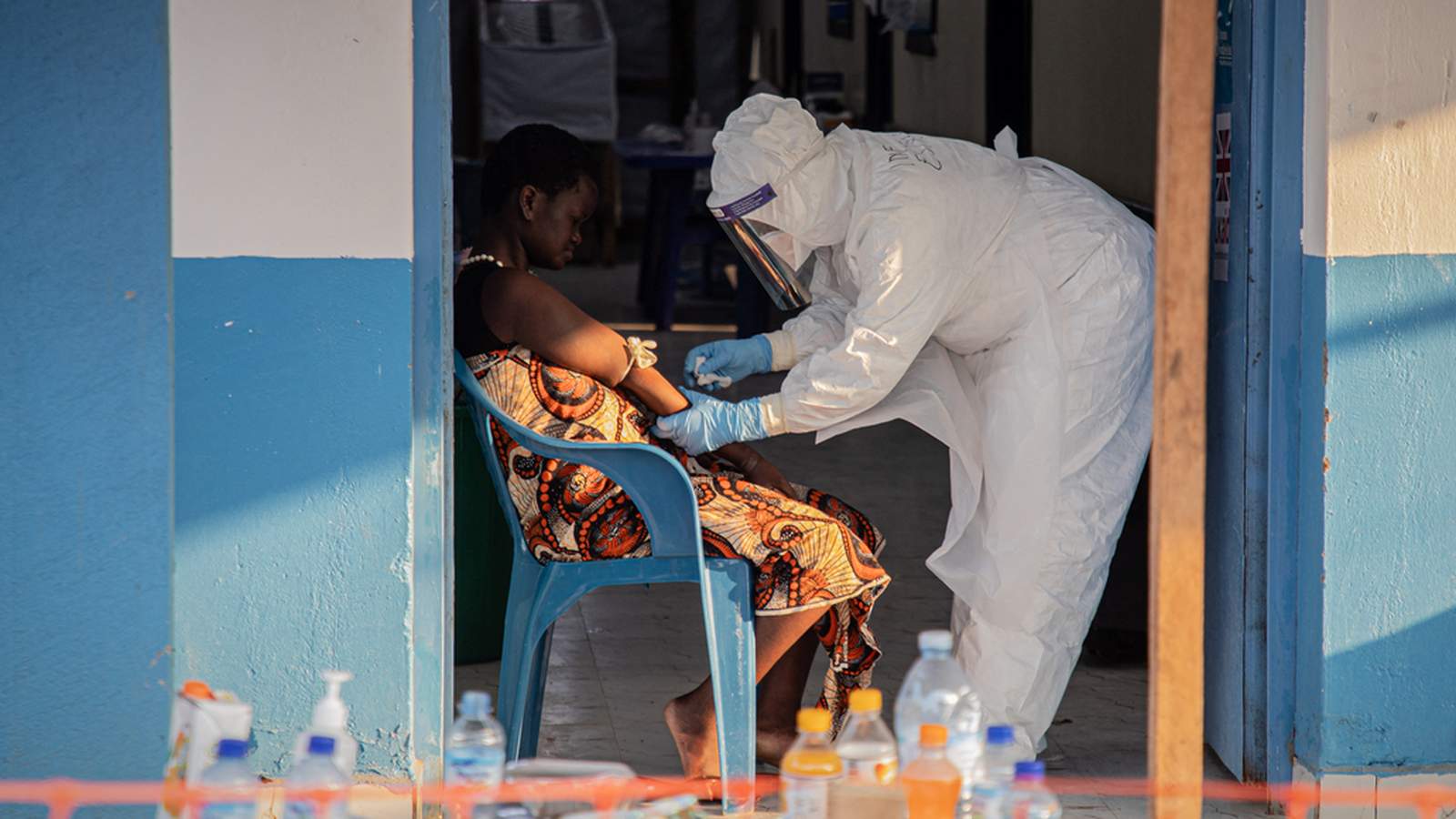
An Unprecedented Surge
The Ebola outbreak currently gripping the Democratic Republic of the Congo (DRC) has reached a critical threshold, with confirmed cases surpassing 4,000 as of early August 2026. Health authorities, led by the Africa Centres for Disease Control and Prevention (Africa CDC), are now investigating the possibility that the Bundibugyo strain responsible for this crisis is mutating, potentially increasing its infectivity. The scale of the current emergency is stark; the outbreak is expanding at eight times the pace observed during the 2014-2018 West Africa Ebola crisis.
Dr. Jean Kaseya, Director General of Africa CDC, warned during a recent media briefing that the level of severity is “unprecedented.” As of 4 August, national data confirmed 3,973 cases and 1,801 deaths, though experts caution that the actual toll is likely significantly higher. A major concern is that approximately 67% of fatalities are occurring within local communities rather than in controlled medical facilities, indicating high levels of untracked transmission and a breakdown in early detection protocols.
Struggles in Containment and Funding
The response has been hampered by systemic challenges, including underfunding, security risks in conflict-affected mining provinces like Ituri, and a lack of public trust. While the United States has recently pledged an additional $242 million—nearly doubling its financial support—the operational reality on the ground remains precarious. Health workers, who are essential to the containment strategy, have been plagued by strikes over unpaid wages, further destabilizing the response in hotspots like Ituri.
Testing remains a primary obstacle. Unlike previous outbreaks where Zaire-specific diagnostic equipment was heavily stockpiled, the current reliance on the Bundibugyo strain requires specific diagnostic capabilities that have not been scaled at the same rate. This diagnostic gap means that early-stage Ebola, which often presents similarly to malaria, frequently goes undiagnosed until it is too late.
Strategic Shifts and Next Steps
In response to the rapid spread, the DRC government and international partners are pivoting toward a “community-led” strategy. This includes local engagement to build trust—a direct lesson from the 2018-2020 response—and the introduction of advanced technologies, such as Starlink internet connectivity, to improve data reporting from remote villages. Furthermore, authorities have begun the compassionate use of the antiviral drug remdesivir, though clinical trials are still in their infancy, with fewer than 100 participants recruited so far.
The threat is also moving toward high-density urban areas. On 6 August, authorities intercepted a boat near Kinshasa, the capital city of 17 million people, after a passenger displaying Ebola symptoms died during transit. All 200 passengers were subsequently tested, highlighting the intense pressure to prevent the virus from reaching major population centers.