


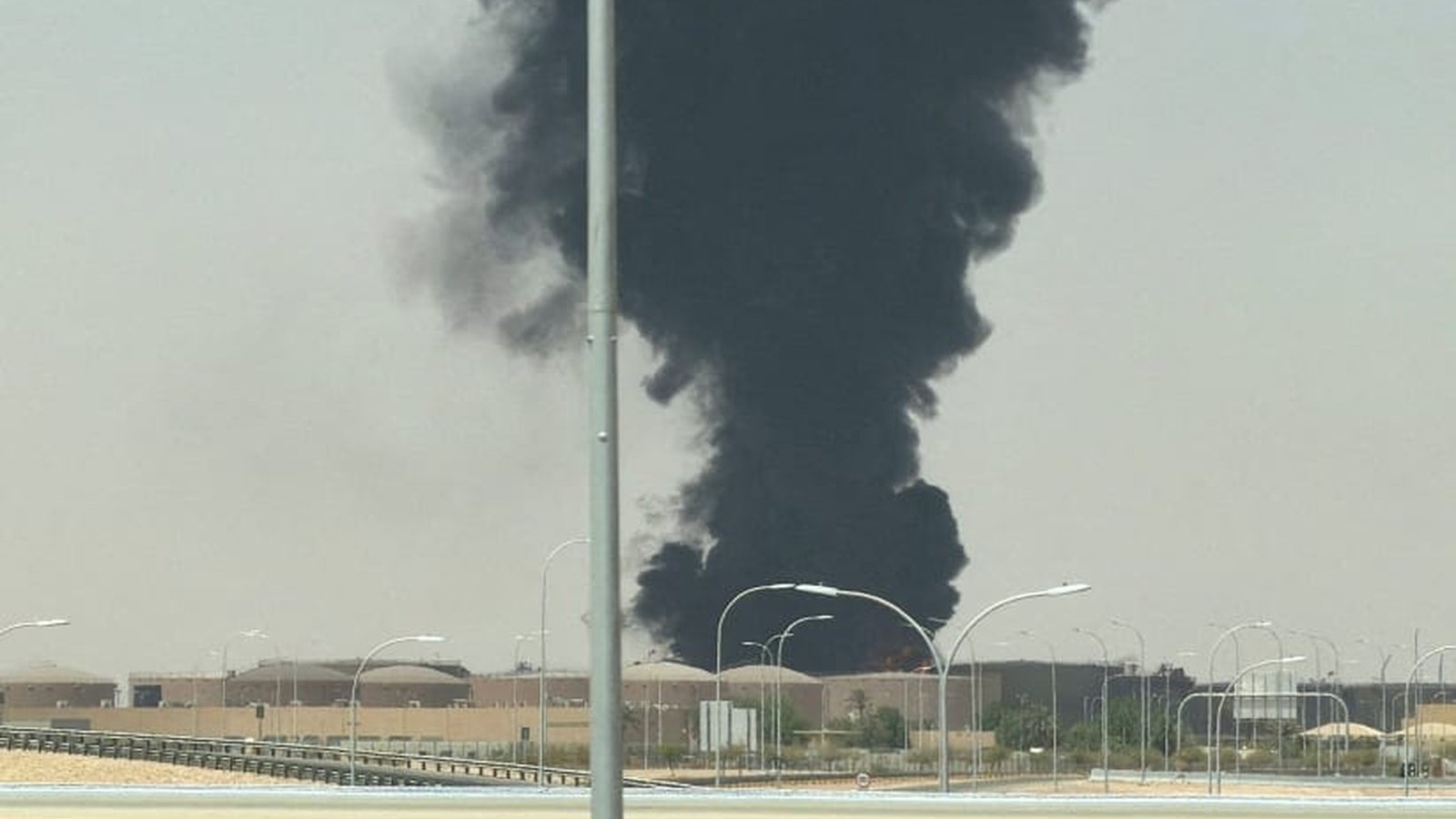
A fresh wave of cross-border strikes targeting critical civilian and energy infrastructure in Saudi Arabia has left three people dead and multiple others injured, sharply escalating regional tensions. The attacks have directly triggered immediate U.S. diplomatic drawdowns and military footprint reductions across the Middle East amid mounting threats from Iran-backed Houthi forces.
According to CBS News, an attack targeting King Fahd International Airport in the eastern Saudi city of Dammam resulted in one death and eight injuries. The kingdom’s civil aviation authority reported that injuries ranged from minor to serious while material damage assessments remained ongoing. In a separate incident, the Saudi energy ministry confirmed that falling debris from an intercepted drone targeting an oil facility near the Shaybah oil field killed two people and injured two others.
The mounting casualties and recurrent projectile volleys against Gulf facilities have severely disrupted regional security assumptions. Despite massive defense spending by Riyadh, the kingdom has struggled to consistently intercept the barrage of sophisticated drone and missile threats launched from Yemen, prompting immediate external repercussions.
U.S. Diplomatic Evacuations and Military Realignment
In response to the deteriorating security environment, the U.S. State Department ordered non-emergency government employees and their families to depart Saudi Arabia. Furthermore, several U.S. embassies across the Middle East transitioned to restricted operations status, adjusting staffing levels to mitigate emerging vulnerabilities.
Concurrently, the U.S. military has been quietly reducing its troop footprint at regional posts. A U.S. official and a senior military official confirmed the drawdown to CBS News, noting that ongoing threats from the Houthis and direct risks from Iran necessitated the operational adjustments. U.S. Central Command spokesperson Capt. Tim Hawkins emphasized that forces remain vigilant, stating that military assets are regularly repositioned to optimize readiness without detailing specific movements.
Diplomatic Stagnation and Threats to Global Shipping
The latest violence unfolds against the backdrop of fragile, stalled diplomacy. Iranian Foreign Minister Abbas Araghchi acknowledged that indirect negotiations with Washington continue over a seven-day ceasefire proposal. However, major hurdles remain after President Trump rejected an earlier iteration last month, with U.S. officials pushing for additional restrictive clauses.
Compounding the diplomatic friction, a senior official within Iran’s Islamic Revolutionary Guard Corps issued direct threats to target undersea internet cables in the Strait of Hormuz and critical U.S. investments if Washington initiates new military strikes against Iranian infrastructure. Meanwhile, reports from The Jerusalem Post highlighted related military exercises, noting that Israeli Air Force jets recently conducted long-range sortie drills reaching toward the Iranian border as a deterrence posture.
Additional reports from the region indicate that broader geopolitical alignments are shifting concurrently with these security incidents. Saudi Arabia has reportedly held discussions with a visiting Syrian military delegation concerning logistical arrangements to transfer up to 10,000 fighters to support operations along its southern borders. Meanwhile, diplomatic channels remain active yet strained, underscored by brief regional transit flights and ongoing mediation efforts by international partners seeking to avert a wider conflagration.
As these multifaceted developments unfold, the combination of persistent infrastructure targeting, diplomatic stalemates, and defensive military repositioning highlights the fragility of the current regional security architecture. Both international observers and regional actors remain on high alert as the risk profile across the Persian Gulf and Arabian Peninsula continues to intensify.