


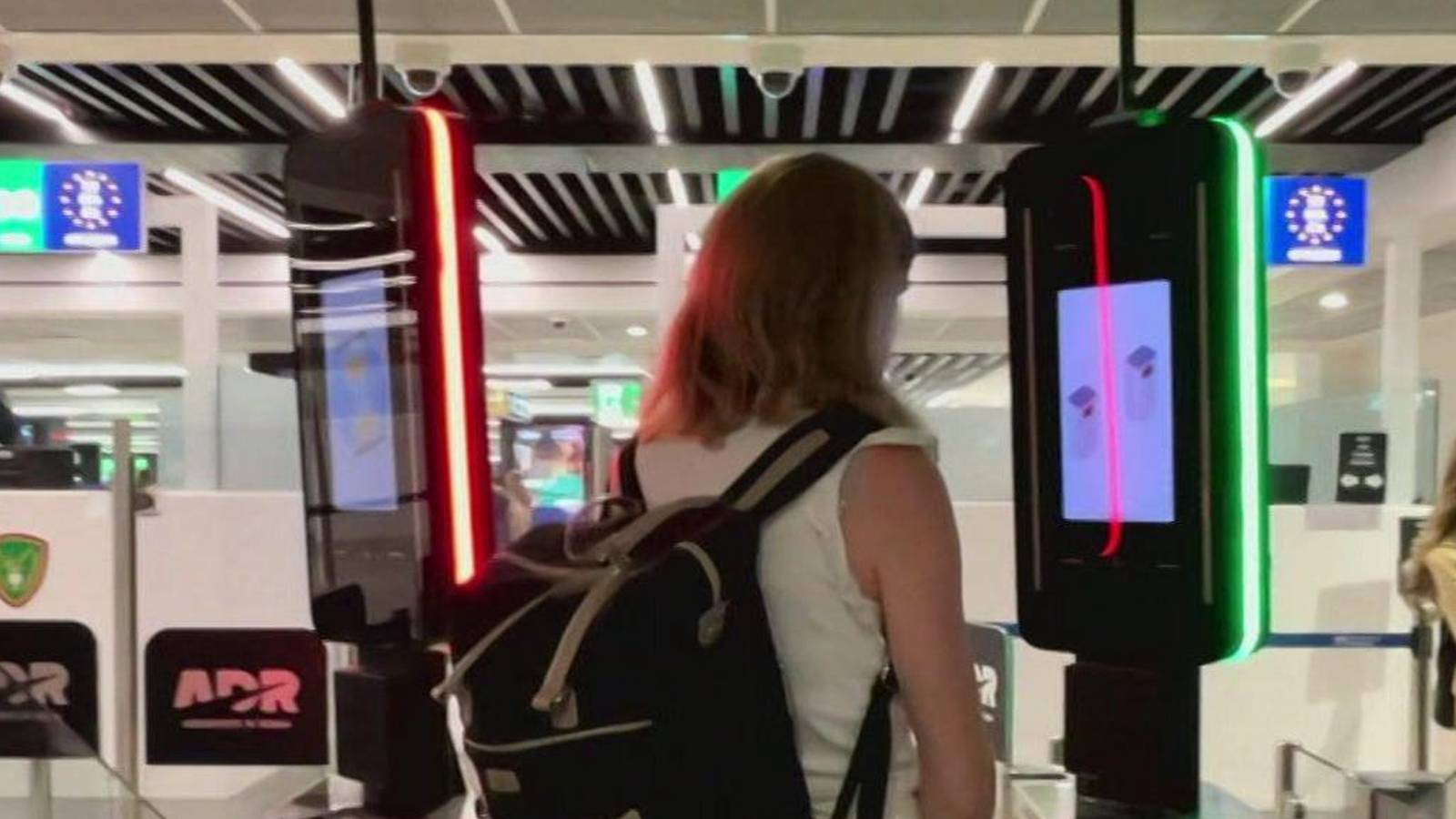
The European Union’s new digital Entry-Exit System (EES) has significantly increased processing times at major airports, with some officials reporting that the time required for passport control has nearly tripled. Despite efforts to streamline the rollout, technical bugs and the complexity of biometric registration are causing hours-long queues and missed flights for non-EU travelers.
In Rome’s Fiumicino airport, Chief Aviation Officer Ivan Bassato told the BBC that the time taken for UK nationals to pass through the border has risen from seven minutes to approximately 20 minutes. The airport invested approximately €12 million ($13.7 million) in self-service kiosks, but officials found it impractical to process large volumes of passengers through these standalone machines alone. Integration with existing e-gates has provided some relief, yet Bassato warned that the process has not yet returned to the quality levels seen before the EES implementation, calling for urgent fixes to the system’s architecture.
The EES requires non-EU citizens entering the 29-country Schengen area to register fingerprints and facial images. While the European Commission maintains that disruption remains “limited” and has pledged continued support to member states, airlines and border authorities are reporting a different reality. Ryanair has characterized the rollout as a “failed” process, advising passengers to allow significant extra time for their journeys this summer due to “unnecessary delays.”
In Portugal, Superintendent Pedro Oliveira of the Faro airport border control noted that what was once a 10-minute wait can now exceed 30 minutes. He identified centralized technical issues as a primary culprit, explaining that the EU’s IT infrastructure is highly interdependent. “Sometimes something that happens in Warsaw affects our system here,” Oliveira said, referring to the centralized servers. He noted that system-wide crashes occasionally require all member states to reboot their local interfaces simultaneously, though the frequency of these events has reportedly decreased.
Currently, only Portugal and Sweden have implemented the EU’s pre-registration app, which allows travelers to submit data before arrival. Airport bosses are urging the European Commission to allow for the proactive suspension of EES requirements during peak travel periods to prevent total terminal gridlock, though recent high-level meetings have not yet resulted in a policy shift regarding such exemptions.