

Quick Read
- The EU’s 19th sanctions package includes a full ban on Russian LNG imports by January 1, 2027.
- Hungary and Slovakia remain the only EU countries importing Russian pipeline oil, facing possible trade measures.
- The package targets third-country traders and Russia’s shadow fleet to prevent sanctions evasion.
- EU aims to lower the price cap on Russian seaborne oil exports to $47.60 per barrel.
- Sanctions implementation will be phased to avoid energy price shocks in Europe.
EU Sanctions Escalate: LNG Ban and Oil Restrictions at the Forefront
The European Union has unveiled its 19th sanctions package against Russia, a sweeping initiative aimed squarely at curtailing Moscow’s energy revenues and, by extension, its ability to sustain military operations in Ukraine. Announced in Brussels by European Commission Chief Spokesperson Paula Pinho, the package represents the most aggressive attempt yet to sever the decades-old energy ties between Russia and the EU. The measures were delayed by a week, largely due to transatlantic consultations and mounting pressure from the United States for tougher action.
At the heart of this new package is a total ban on Russian liquefied natural gas (LNG) imports into the European market by January 1, 2027—a timeline pushed forward by a full year in response to American demands and the urgency of energy security. The EU’s prior commitment to phase out Russian fossil fuels had been set for the end of 2027, but the new sanctions now accelerate the process, sending a clear signal of intent to both Moscow and the bloc’s member states. As News Ghana and New Age BD report, this ban will apply first to short-term contracts within six months, then extend to long-term agreements.
Targeting Moscow’s Oil Lifeline: Druzhba Pipeline Under Scrutiny
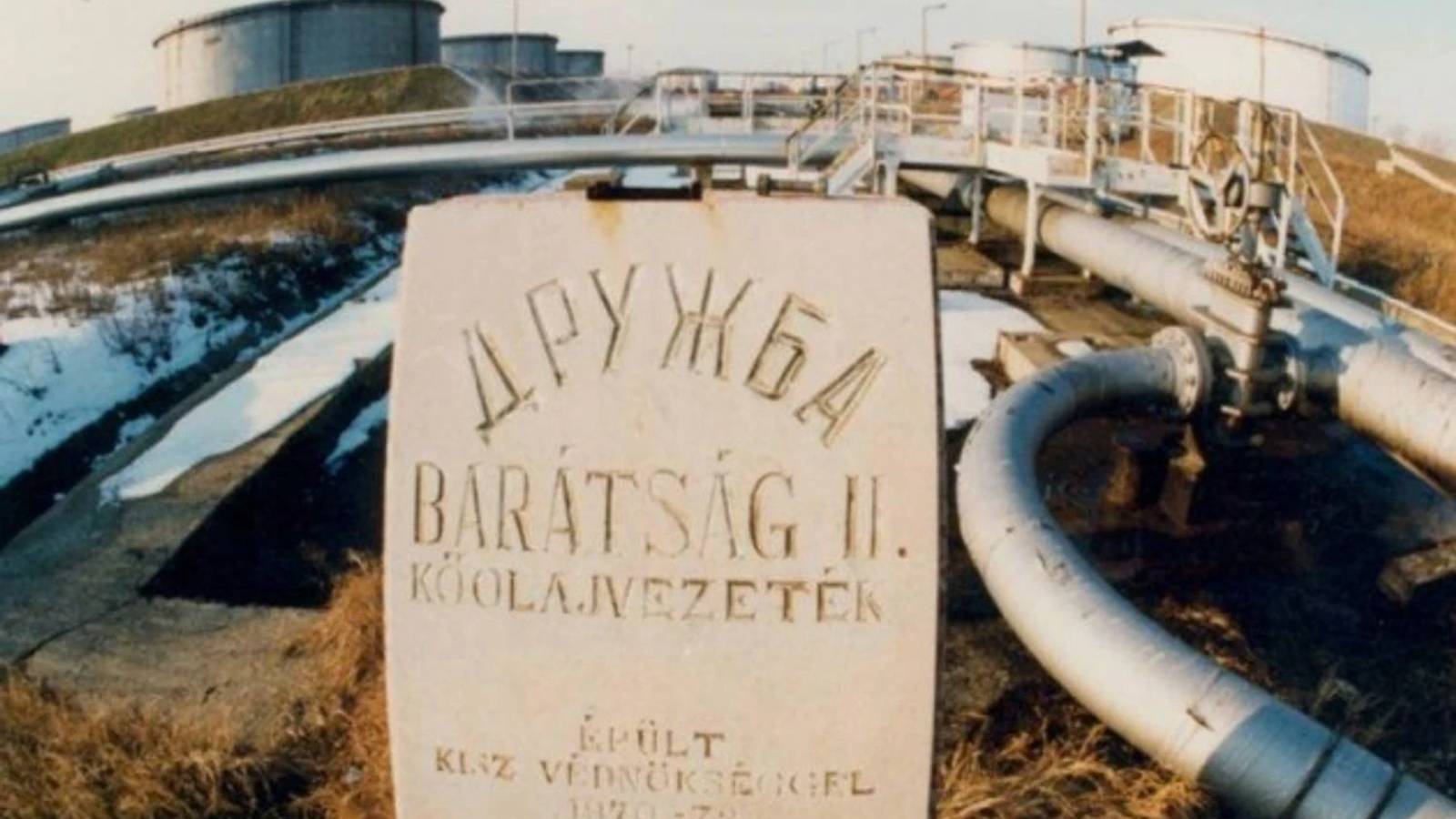
The sanctions package also casts a spotlight on the persistent flow of Russian oil through the Druzhba pipeline—a lifeline for Hungary and Slovakia. While most EU countries have drastically reduced or eliminated Russian oil imports since the invasion of Ukraine, Budapest and Bratislava remain dependent. Hungary imports approximately 60 percent of its oil from Russia, and Slovakia’s reliance reaches roughly 75 percent of its energy needs. According to Bloomberg, the European Commission is weighing trade measures that could restrict or even halt these pipeline imports if the two countries fail to present credible exit plans.
Unlike sanctions, trade measures require only a majority of EU member states to pass, circumventing the veto power of Hungary or Slovakia. This technical distinction gives the bloc leverage to pressure these governments without jeopardizing broader unity—a delicate dance as internal divisions surface over energy security and economic stability. The threat of tariffs or outright bans is more than a negotiating tactic; it’s a reflection of the bloc’s resolve to close loopholes that have allowed Russia to maintain vital revenue streams.
Sanctions Go Global: Third Country Traders and Shadow Fleet in Crosshairs
Beyond direct imports, the EU’s 19th package aims to plug the many leaks in its sanctions regime. The Commission has expanded restrictions to include refineries, oil traders, and petrochemical companies in third countries—most notably China and India—that facilitate Russian energy sales. These entities, accused of helping Moscow evade previous rounds of sanctions, now face the prospect of export bans and tighter controls. The package also blacklists 118 additional vessels from Russia’s so-called “shadow fleet,” notorious for circumventing oil export curbs and sustaining Moscow’s war chest.
Crypto platforms and the MIR card system, established by Russia to avoid reliance on Western financial networks, are also targeted. The intent is clear: leave no stone unturned in the effort to deprive Russia of the financial means to continue its aggression in Ukraine. European Commission President Ursula von der Leyen emphasized this on social media, stating, “It is time to turn off the tap”—a metaphor that encapsulates the urgency and scale of the EU’s endeavor.
Energy Independence vs. Economic Stability: The EU’s Balancing Act
The challenge for European policymakers is as much about timing as substance. While the drive to accelerate energy independence is laudable, it carries risks—chief among them, the potential for price shocks and supply shortages. Currently, about 19 percent of the EU’s gas supply still originates from Russia, delivered via the TurkStream pipeline and LNG shipments. This figure, though down from 45 percent before the war, remains significant for industries and households across the continent.
To mitigate these risks, EU officials have pledged to phase in sanctions carefully, balancing security concerns with economic stability. The bloc is also looking to alternative suppliers and renewable energy sources, with the United States now providing nearly 45 percent of Europe’s LNG imports. Terminals in France, Spain, Italy, the Netherlands, and Belgium have become key gateways, though the ultimate destination of much of this gas remains fluid.
The sanctions also lower the price cap on Russian seaborne oil exports to $47.60 per barrel, further squeezing Moscow’s energy revenue. Yet, the full impact of these measures hinges on the ability of the EU to maintain internal cohesion and to enforce compliance among member states and third-country actors.
International Pressure and Internal Resistance: The Road Ahead
The timing of the EU’s 19th sanctions package is no coincidence. The United States, under President Donald Trump, has intensified calls for Europe to end all Russian oil and gas imports, even suggesting tariffs on countries that help facilitate these trades. While most EU member states have embraced the phase-out, Hungary and Slovakia have been steadfast in their opposition, citing energy security concerns and blocking measures they deem threatening.
Diplomatic efforts are ongoing, with the EU reportedly considering the unfreezing of €550 million for Hungary in a bid to overcome Prime Minister Viktor Orban’s veto. This carrot-and-stick approach reflects the broader geopolitical stakes at play—not just the fate of Ukraine, but the unity and resilience of the European project itself.
Ukrainian leaders have welcomed the latest package, with Foreign Minister Andrii Sybiha calling for “coordinated steps across the Atlantic” to deprive Russia of resources. President Volodymyr Zelensky hailed the measures as “robust,” emphasizing their potential to intensify pressure on Russia’s war machine. Yet, Russian officials remain defiant, with Foreign Ministry Spokesperson Maria Zakharova dismissing the sanctions as “suicidal sabotage.”
Conclusion: The Ripple Effect on European Energy Markets
As the EU pushes forward with its most energy-focused sanctions since the onset of the conflict, the implications for European energy markets are profound. The drive to accelerate the transition away from Russian fossil fuels will reshape supply chains, pricing dynamics, and strategic partnerships. The bloc’s ability to balance unity, security, and economic stability will be tested in the months ahead, with the outcome likely to set the tone for Europe’s role in the global energy landscape.
The 19th sanctions package is more than a set of punitive measures—it’s a statement of intent, a response to both international pressure and internal debate. Whether it succeeds in curbing Russia’s war financing and bolstering European independence remains to be seen. But one thing is clear: the era of complacency in European energy policy is over.
The EU’s accelerated push to phase out Russian energy imports demonstrates both strategic resolve and the complexity of balancing political unity with economic necessity. The test now lies not just in passing sanctions, but in translating them into real-world change—ensuring that energy security and solidarity are not casualties of a shifting geopolitical landscape.