

Quick Read
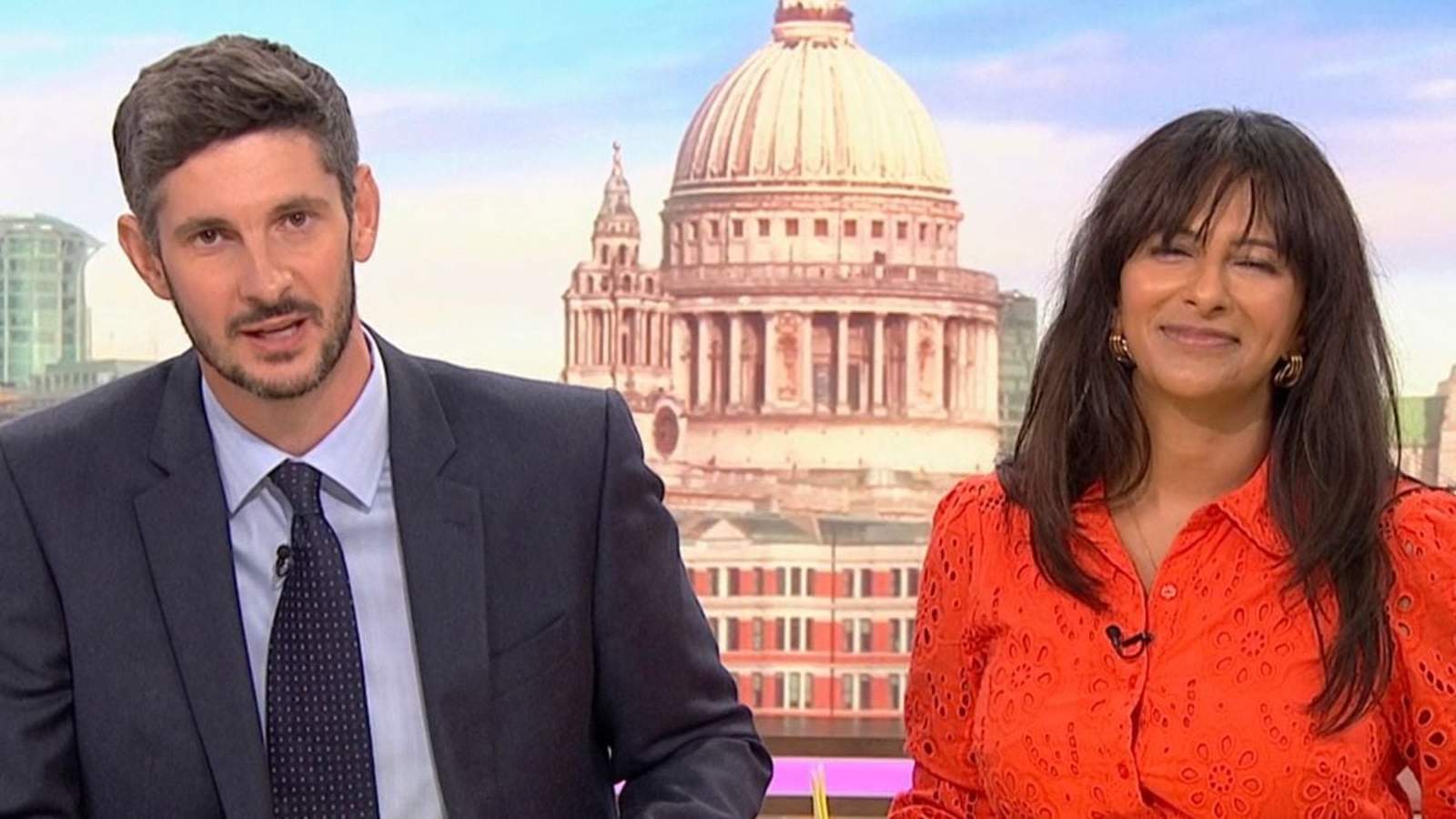
- Tom Swarbrick made his hosting debut on GMB alongside Ranvir Singh.
- The pair faced scrutiny following an awkward exchange regarding guest Nikita Kuzmin’s nationality.
- Live morning TV faces increasing pressure to balance authenticity with professional accuracy.
The Changing Landscape of Live Morning Television
The modern breakfast television format relies heavily on the perceived chemistry between co-hosts, a delicate balance that often faces public scrutiny during live broadcasts. The recent hosting debut of Tom Swarbrick alongside veteran presenter Ranvir Singh on Good Morning Britain serves as a pertinent case study in the challenges of maintaining professional composure under the pressures of a high-stakes, unscripted morning news environment. As the media landscape shifts toward real-time audience feedback, the margin for error in live segments has narrowed significantly.
The Mechanics of On-Air Gaffes and Audience Perception
During the Bank Holiday broadcast, the transition of roles—with Swarbrick stepping into the chair normally occupied by long-term hosts—was met with both positive reception and the unforgiving lens of social media commentary. However, the program also faced criticism following an awkward exchange between Singh and guest Nikita Kuzmin. When Singh erroneously asked the Ukrainian professional dancer if he was from Brazil, the incident quickly gained traction, illustrating how quickly minor slips in a fast-paced environment can dominate the news cycle. Such moments place immense pressure on co-hosts to navigate recovery seamlessly while managing the flow of sensitive topics, including international conflict.
Institutional Stakes and Professional Composure
For broadcasters like ITV, the stakes of these live interactions are high. The ability to pivot from light-hearted banter about weather conditions to serious geopolitical discourse requires a level of synchronization that is difficult to sustain. Swarbrick’s performance, while generally received with enthusiasm by viewers, highlights the necessity for new presenters to calibrate their approach to these shifting tonal requirements. The reliance on spontaneity, while intended to make the content feel authentic, inadvertently increases the probability of gaffes that can detract from the institutional credibility of the morning news brand.
The evolution of morning broadcasting reflects a broader trend where the personality of the host is as vital as the delivery of the news itself. As audience engagement metrics increasingly prioritize viral-ready moments, the pressure to balance authentic human interaction with rigorous journalistic standards becomes the defining challenge for contemporary presenters. The ability to recover from on-air missteps, while maintaining a consistent institutional voice, remains the primary metric by which new talent in the morning news sector is evaluated in an era of constant digital surveillance.