


Europa League Kicks Off: Opening Matches and High Expectations
As the autumn air settles over Europe, the UEFA Europa League 2025-26 season bursts into life, promising drama both on and off the pitch. The opening round, Matchday 1, sees German side Freiburg hosting Switzerland’s Basel at the Europa-Park Stadion—a fixture that not only marks the beginning of their campaigns but also sets the tone for a competition where every minute counts.
Freiburg enter this contest buoyed by recent victories, including a decisive 3-0 win over Werder Bremen in the Bundesliga, courtesy of goals from Vincenzo Grifo, Chukwubuike Adamu, and Karim Coulibaly. Their form has been a mix of highs and lows, with two wins and two losses in the league, but the Europa League offers a fresh slate—a chance to make a mark in continental football.
Basel, meanwhile, arrive with momentum from the Swiss Super League, having dispatched Thun 3-1 in their latest outing, with Xherdan Shaqiri and Albian Ateji providing the firepower. Basel’s route to the Europa League was shaped by disappointment in Champions League qualifiers, falling to Copenhagen 3-1 on aggregate. Now, the team faces a new challenge: carving out success in Europe’s second-most prestigious club tournament.
Favorites and Underdogs: Who Will Rise in 2025-26?
While Freiburg and Basel battle for early points, the broader field is stacked with contenders and dark horses. According to OneFootball and analytics from Opta, Aston Villa and AS Roma stand out as top favorites for the title. Aston Villa, despite a rocky start in the Premier League, benefit from the tactical acumen of Unai Emery—a manager who has already lifted the Europa League trophy four times. For Villa, the tournament could be a lifeline to the Champions League, bypassing the crowded domestic competition.
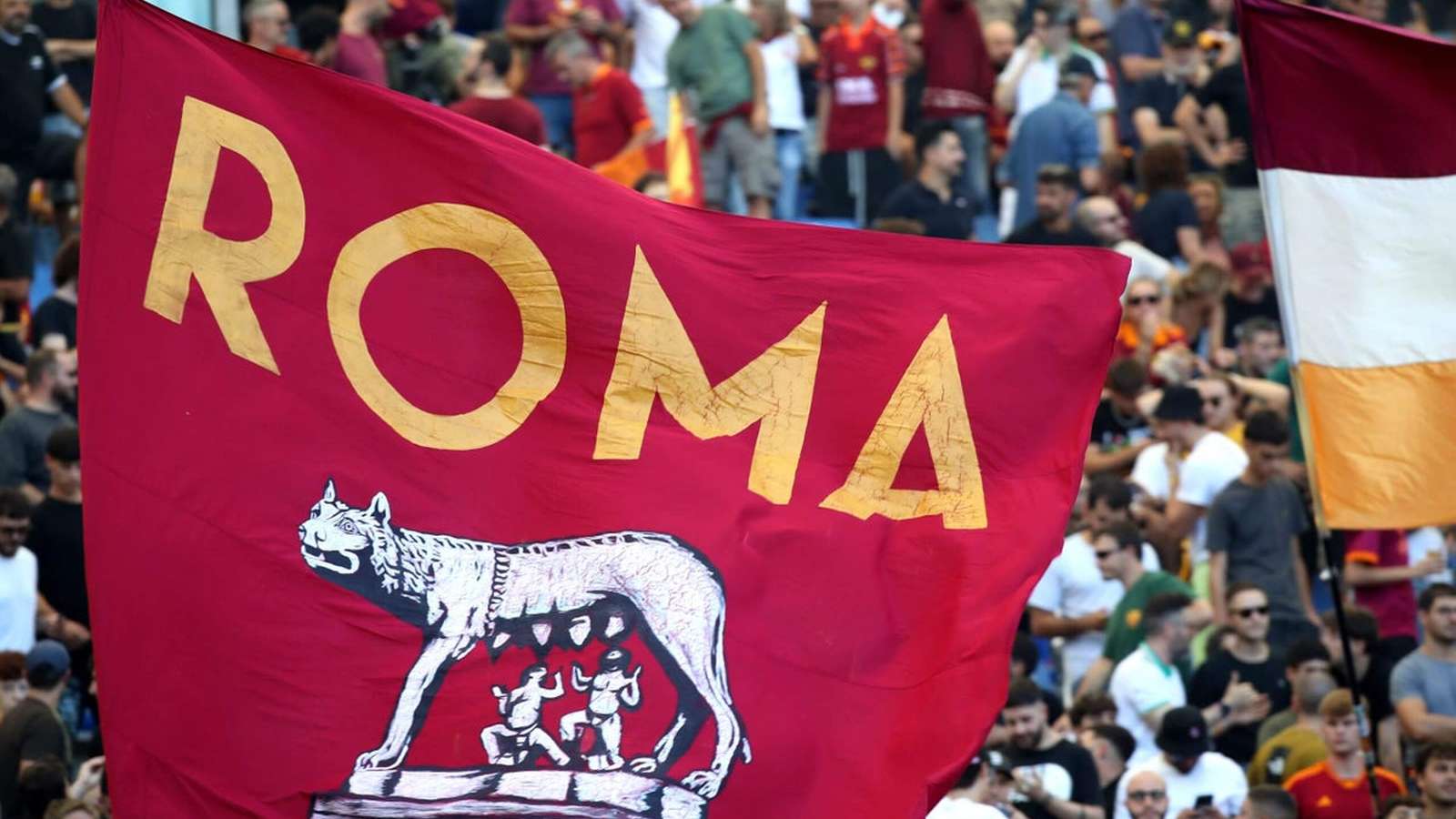
Roma, under the guidance of Gian Piero Gasperini, are another side with their eyes on the prize. Gasperini’s pedigree includes guiding Atalanta to memorable European nights, and Roma’s recent success—defeating Bayer Leverkusen for continental silverware—makes them a formidable opponent.
Elsewhere, Lille, Porto, and Real Betis are named as strong contenders. Lille’s rise in European football has been steady, and the challenge for the French club is to convert experience into deep tournament runs. Porto, while perhaps not at their peak, remain dangerous with their attacking prowess. Betis, fresh from a Conference League final, are also tipped to surprise, especially with Antony in their ranks.
The outsider narrative features clubs like Nottingham Forest, returning to European competition after a 30-year absence, now under the stewardship of Ange Postecoglou—himself fresh from Europa League glory with Tottenham. Feyenoord’s recent Champions League exploits and Lyon’s tradition in Europe further enrich the competitive landscape.
Security and Spectacle: Roma’s Turbulent Visit to Nice
Yet, the Europa League isn’t just about football. Off-field tensions flared dramatically ahead of the Roma vs Nice clash. French authorities arrested 102 Roma ultras for allegedly carrying weapons and being involved in a brawl in downtown Nice. The swift intervention of local police averted violence, and a major security operation was deployed for the match, including over 400 officers across the city and border routes.
According to The New York Times, no injuries or property damage occurred, but the incident underscores the challenges football’s popularity brings—passion spilling over into confrontation. The authorities vowed strict enforcement of bans and systematic arrests, a reminder that the Europa League’s intensity isn’t confined to the pitch.
Such incidents are not unprecedented. Clashes between fans and police occurred before the Rome derby earlier this year, and Nice’s Conference League fixture against Cologne in 2022 was delayed due to crowd disturbances. These moments highlight the need for vigilance as the tournament progresses.
The New Format: Stakes Higher Than Ever
This season, the Europa League unveils a revamped format: 36 teams compete, with the top eight securing direct passage to the next round. Teams ranked ninth to twenty-fourth will fight for re-qualification—a structure designed to heighten competition and ensure every point matters. The journey culminates in Istanbul, Turkey, at Vodafone Park, where one team will seize the golden ticket to next year’s Champions League.
For Basel, the schedule is grueling: after Freiburg, they face Stuttgart, Lyon, FCSB, Genk, Aston Villa, Red Bull Salzburg, and Viktoria Plzen. Freiburg, likewise, navigate a demanding calendar—Bologna, Utrecht, Nice, Viktoria Plzen, RB Salzburg, Tel Aviv, and Lille. The path to glory is littered with formidable opponents and potential pitfalls.
Players to Watch and Key Storylines
Individual brilliance often decides tight Europa League contests. For Freiburg, Vincenzo Grifo stands out—already with two goals and an assist to his name this season. Igor Matanovic and Junior Adamu bring additional attacking threat. Basel’s Xherdan Shaqiri is a proven match-winner, supported by Albian Ateji’s recent scoring exploits.
Beyond the stats, the human stories emerge: the redemption sought by clubs falling short in Champions League qualifiers, the dreams of outsiders like Nottingham Forest, and the pressure on coaches with reputations to uphold. Each match is a new chapter, every minute pregnant with possibility.
The Europa League’s allure lies in its unpredictability. In a single night, legends can be forged, hopes dashed, and rivalries intensified. The stakes are as much emotional as they are competitive—players and fans alike chasing moments that will echo long after the final whistle.
Looking Ahead: What Will This Season Bring?
As the tournament unfolds, the questions multiply. Can Aston Villa or Roma live up to the billing as favorites? Will Lille or Porto break through? Can Freiburg or Basel defy expectations? And, perhaps most importantly, will football’s magic outshine its occasional chaos?
With every fixture, the Europa League 2025-26 will write new stories—some glorious, some fraught, all unforgettable. The race has begun, and Europe is watching.
The opening of the Europa League 2025-26 season demonstrates that football’s reach is both powerful and complex. The blend of fierce competition, passionate support, and the ever-present need for security creates a sporting spectacle that is as unpredictable as it is compelling. As the journey begins, one thing is clear: this Europa League will test not only the skills of Europe’s clubs but also the resilience of the communities that surround them.