
Quick Read
- Crop conditions across Europe remain largely stable, though persistent rainfall deficits in central and eastern regions are raising concerns for upcoming growth cycles.
- Localized frost events and waterlogging have created regional challenges, particularly in parts of Italy, Ireland, and southeastern Europe.
- The European Commission’s JRC warns that while soil moisture is currently sufficient, the lack of rain since March requires close monitoring as water demand peaks.
BRUSSELS (Azat TV) – Agricultural production across Europe remains largely stable as of April 27, 2026, though a developing water deficit in central, northern, and eastern regions is now prompting closer observation from climate monitors. According to the latest bulletin from the European Commission’s Joint Research Centre (JRC), while mild temperatures have supported winter crop development, the lack of consistent precipitation since early March has begun to strain soil moisture levels.
Monitoring Crop Water Demand in Central and Eastern Europe
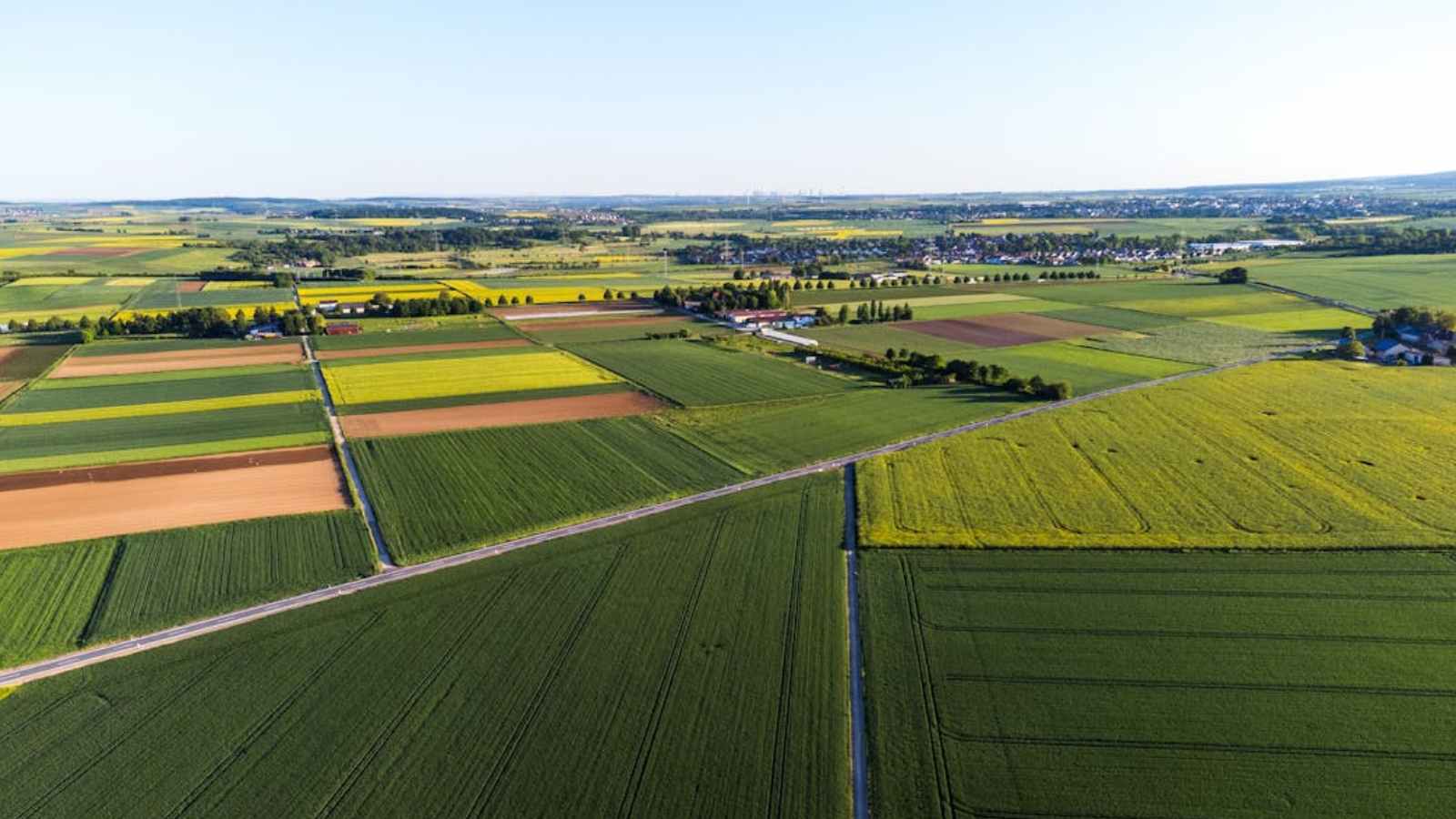
The JRC reports that while soil moisture remains sufficient for the current growth stage, the ongoing rainfall deficit in Germany, Poland, Austria, Hungary, Slovakia, and Czechia poses a potential threat as crop water requirements increase in the coming weeks. Winter crops in these regions are currently at normal to advanced stages of development, and experts indicate that additional rainfall will be necessary to sustain yield potential as the season approaches the flowering phase.
In contrast, the situation in Ukraine remains delicate. Western and northern regions have seen winter crops restart vegetative growth, but the current precipitation deficit leaves these areas vulnerable to rapid water stress should dry conditions persist. Meanwhile, in northern Italy, farmers have already begun irrigation for winter crops, particularly those intended for green harvest, as above-average temperatures accelerate moisture depletion.
Regional Disparities and Weather Impacts
The agricultural landscape is not uniform across the continent. While central and eastern zones grapple with dryness, south-western and parts of eastern Europe have experienced excess rainfall. In southern Italy, persistent wet weather between late March and early April has resulted in localized crop lodging and waterlogging in durum wheat production areas. Similarly, continuous rainfall in Ireland since the winter has left fields saturated, leading to significant delays in the spring barley sowing campaign.
Cold spells have also played a role in the regional outlook. Localized frost events, where temperatures dipped below -5 °C, were recorded in north-eastern Hungary, north-western Romania, and parts of Türkiye. While widespread damage has not been confirmed, the JRC notes that these fluctuations occurred during sensitive phenological phases, such as rapeseed flowering, and may have caused localized impacts.
Global Context and Sectoral Updates
Beyond the European agricultural monitoring, significant infrastructure developments are underway elsewhere. In Argentina, the First Presidency of The Church of Jesus Christ of Latter-day Saints released an updated exterior rendering for the planned Buenos Aires City Center Temple. The structure, to be built on a 1.56-acre site, represents a major expansion in the country, which currently hosts over 490,000 members of the faith across 730 congregations.
The current trend of favorable crop conditions, while reassuring, masks a growing structural vulnerability to climate-driven hydrological shifts that require precise, localized water management strategies to prevent mid-season yield losses across the European breadbasket.