

Quick Read
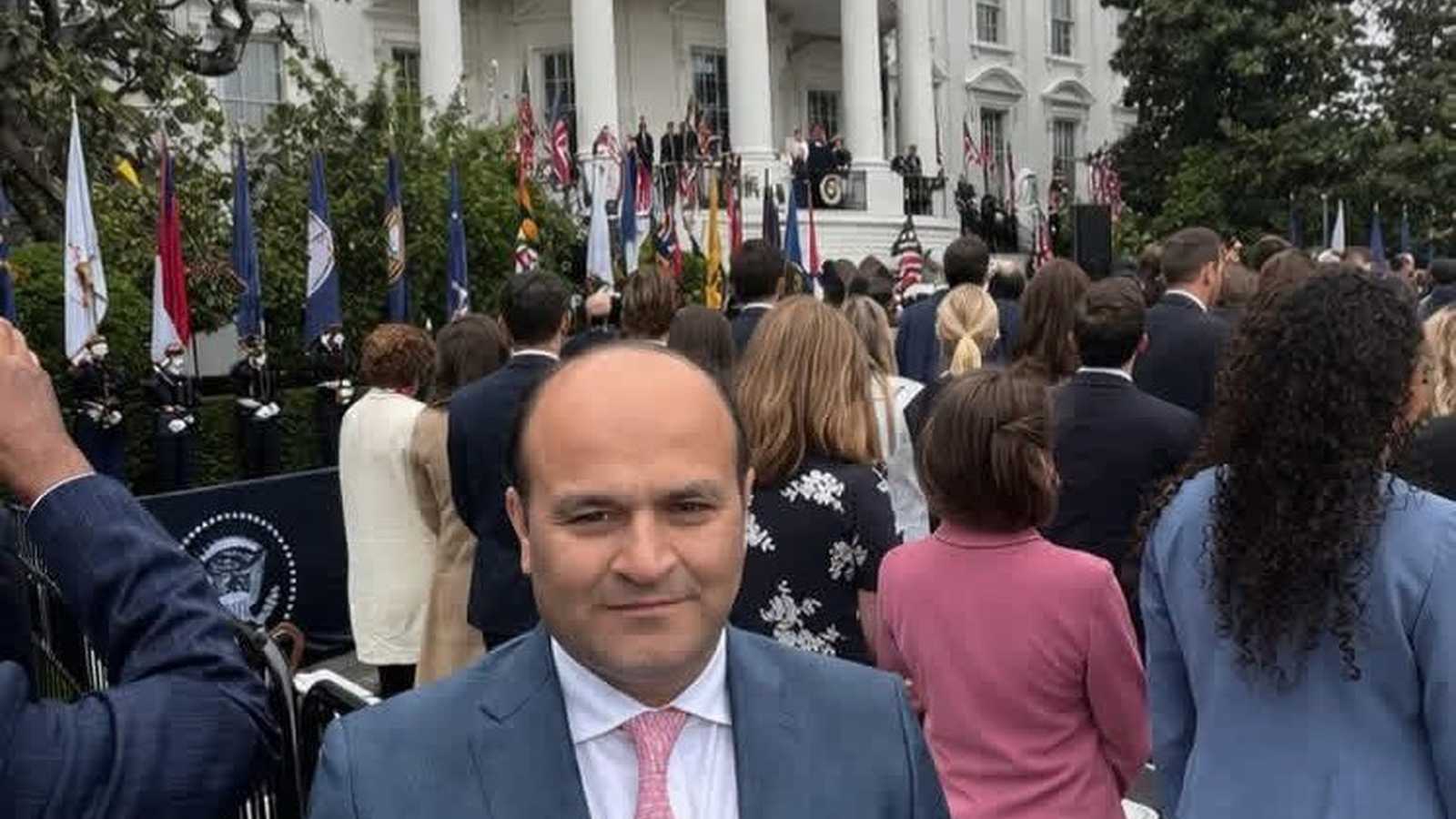
- Ambassador Narek Mkrtchyan attended a White House reception honoring King Charles III.
- The visit aligns with broader efforts to advance the Armenia-U.S. diplomatic agenda.
- Recent discussions focused on the TRIPP initiative to strengthen international cooperation.
Ambassador of the Republic of Armenia to the United States, Narek Mkrtchyan, attended a formal reception at the White House earlier today, held in honor of King Charles III and Queen Camilla of the United Kingdom. The event, which included high-level addresses and a subsequent address by the British monarch to the U.S. Congress, underscores the active nature of Armenia’s diplomatic presence in Washington during a period of significant geopolitical realignment.
Expanding Diplomatic Horizons
This appearance follows a series of recent engagements by Ambassador Mkrtchyan, including his discussions with the Armenian General Benevolent Union (AGBU) in California. During those sessions, the Ambassador outlined key directions of the Armenia-U.S. agenda, specifically highlighting the implementation of the TRIPP initiative—a framework designed to foster international cooperation and development. While the TRIPP framework is explicitly non-binding in terms of legal obligations, it serves as a symbolic and practical platform for deepening bilateral ties between Yerevan and Washington.
The Strategic Context
Beyond the ceremonial aspects of the White House event, the presence of Armenian diplomatic leadership at such forums is critical for maintaining visibility in the trans-Atlantic space. The current Armenian administration remains focused on diversifying its foreign policy and seeking sustainable security partnerships, which necessitates consistent, high-level dialogue with Western allies. By engaging with both the British royal visit protocols and the substantive U.S.-Armenia policy frameworks, the embassy is effectively signaling a commitment to a multi-vector foreign policy that prioritizes democratic resilience and institutional integration.
Ultimately, while ceremonial events are often viewed through a narrow lens of protocol, they provide essential proximity to international power centers. For Armenia, the ability to navigate these high-stakes diplomatic environments is not merely a formality but a strategic necessity, ensuring that Yerevan’s voice remains integrated into the broader conversation on regional security and global stability.