

Quick Read
- The Strait of Hormuz closure has severely restricted global oil exports.
- European aviation faces potential fuel exhaustion within six weeks.
- Airlines are cutting long-haul routes, leading to increased fares and flight cancellations.
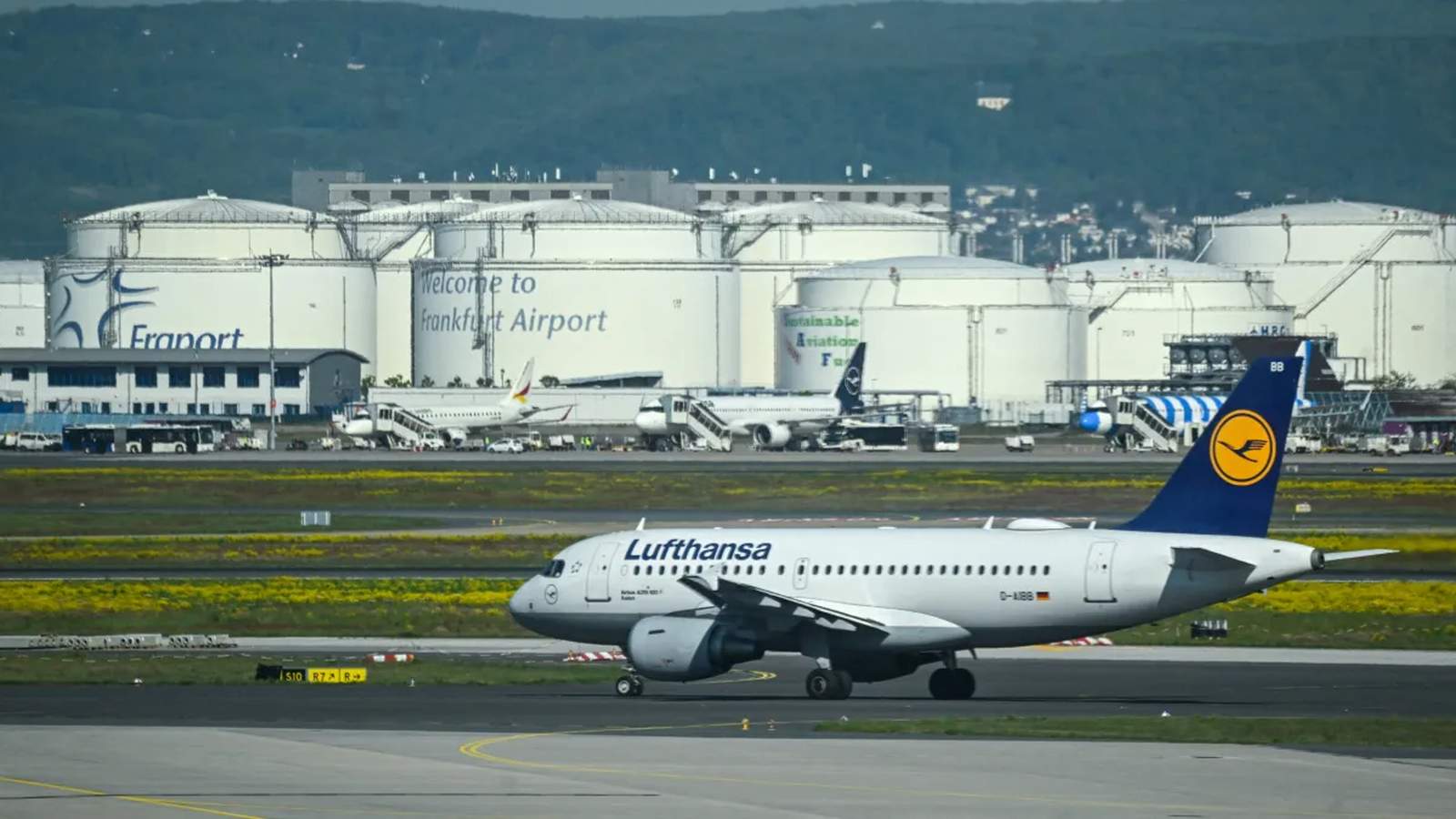
A critical shortage of jet fuel is gripping Europe as the ongoing closure of the Strait of Hormuz continues to choke global energy supply lines. With the region’s aviation sector facing a potential depletion of reserves within six weeks, the prospect of widespread flight cancellations during the peak summer season has transitioned from a remote risk to an imminent threat. The disruption, stemming from the broader conflict in Iran, underscores the fragility of energy-dependent economies in an era of heightened geopolitical volatility.
The Anatomy of an Aviation Stagnation
The International Energy Agency (IEA) has issued stark warnings regarding the scarcity, noting that European nations, which rely heavily on imported oil, are disproportionately affected compared to the United States. While U.S. carriers are largely shielded by domestic production, European airlines are forced to navigate a tightening market where supply is failing to meet demand. This imbalance has already prompted carriers, such as Norse Atlantic and Edelweiss, to preemptively adjust their service footprints, signaling a broader retreat from long-haul routes that require significant fuel reserves.
Institutional Responses and Economic Strain
European Union officials are currently evaluating emergency measures, including the potential purchase of U.S. fuel stocks and mandatory supply-sharing agreements among member states. These institutional interventions highlight a shift toward collective security, yet they also reflect the vulnerability of an integrated market when primary transit nodes are compromised. The crisis serves as a reminder that the airlines face fuel supply crisis as Strait of Hormuz stays closed, creating a ripple effect that extends far beyond the tarmac. For passengers, this translates into not only higher ticket prices and baggage fees but a fundamental uncertainty in travel reliability.
Implications for Armenia and Global Connectivity
For nations like Armenia, which views integration with European markets as a cornerstone of its economic and democratic development, this energy instability presents a tangible risk. As Armenia seeks to bolster its connectivity to the West, reliance on stable, affordable energy becomes a matter of national interest. The current crisis underscores the necessity for market diversification and energy resilience as essential components of foreign policy. Ultimately, the ability of European aviation to navigate this shortage will serve as a bellwether for the continent’s capacity to withstand geopolitical shocks, reinforcing the need for transparent governance and robust infrastructure in the face of supply chain weaponization.